
When you hear generic medications, lower-cost versions of brand-name drugs that contain the same active ingredients, meet the same FDA standards, and work the same way in your body. Also known as generic drugs, they’re not second-rate—they’re the same medicine, just without the marketing cost. Most people don’t realize that over 90% of prescriptions filled in the U.S. are for generics. That’s because they work just as well, cost a fraction of the price, and are held to the exact same safety and quality rules as the brand-name versions.
But here’s the thing: not all generic medications are created equal in how they’re used. brand-name drugs, the original versions developed by pharmaceutical companies, often come with higher prices due to patent protection and advertising. When the patent runs out, other companies can make the same drug under its chemical name. That’s where drug pricing, the cost difference between brand-name and generic versions, often ranges from 80% to 85% cheaper. That’s why people turn to generics—especially for long-term meds like blood pressure pills, antidepressants, or antibiotics. But price isn’t the only thing that matters. Some patients report feeling different on a generic, even when the active ingredient is identical. That’s usually because of inactive ingredients like fillers or dyes, which can affect how fast the drug dissolves or how your body reacts. It’s not the medicine failing—it’s your body adjusting.
medication safety, the practice of using drugs correctly to avoid harm, includes knowing when to stick with a generic and when to ask for the brand. For most conditions, generics are perfectly safe. But for drugs with a narrow therapeutic window—like warfarin, thyroid meds, or seizure controls—even small differences in absorption can matter. That’s why your doctor or pharmacist might suggest sticking with one version, brand or generic, to keep levels stable. And if you switch brands and feel off, don’t just power through. Talk to your provider. You’re not imagining it.
And then there’s the online risk. Sites selling "cheap generic medications" without a prescription? They’re often selling fake, expired, or contaminated pills. The FDA shuts down hundreds of these sites every year. If a deal looks too good to be true, it is. Always fill prescriptions through licensed pharmacies—online or in person—and check for the VIPPS seal if buying online.
What you’ll find below isn’t just a list of articles. It’s a practical guide to real-world issues people face with generics: how to spot unsafe online sellers, why some people get side effects from generics others don’t, how to compare prices without sacrificing safety, and what to do when your insurance switches your med without warning. These aren’t theory pieces—they’re stories from patients, pharmacists, and doctors who’ve seen what happens when people don’t know the difference between a safe generic and a dangerous knockoff.
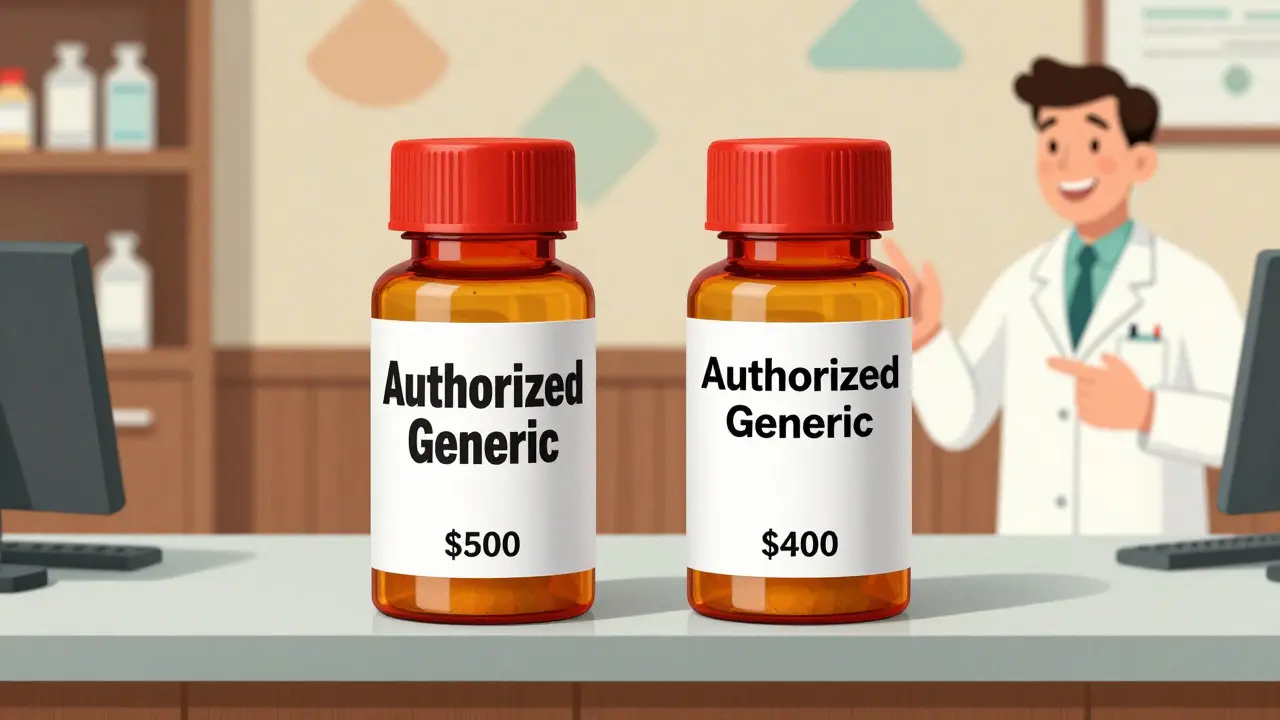
Authorized generics are identical to brand-name drugs but cost less because they skip marketing and advertising. Learn how they work, why prices drop, and how you can save on prescriptions.
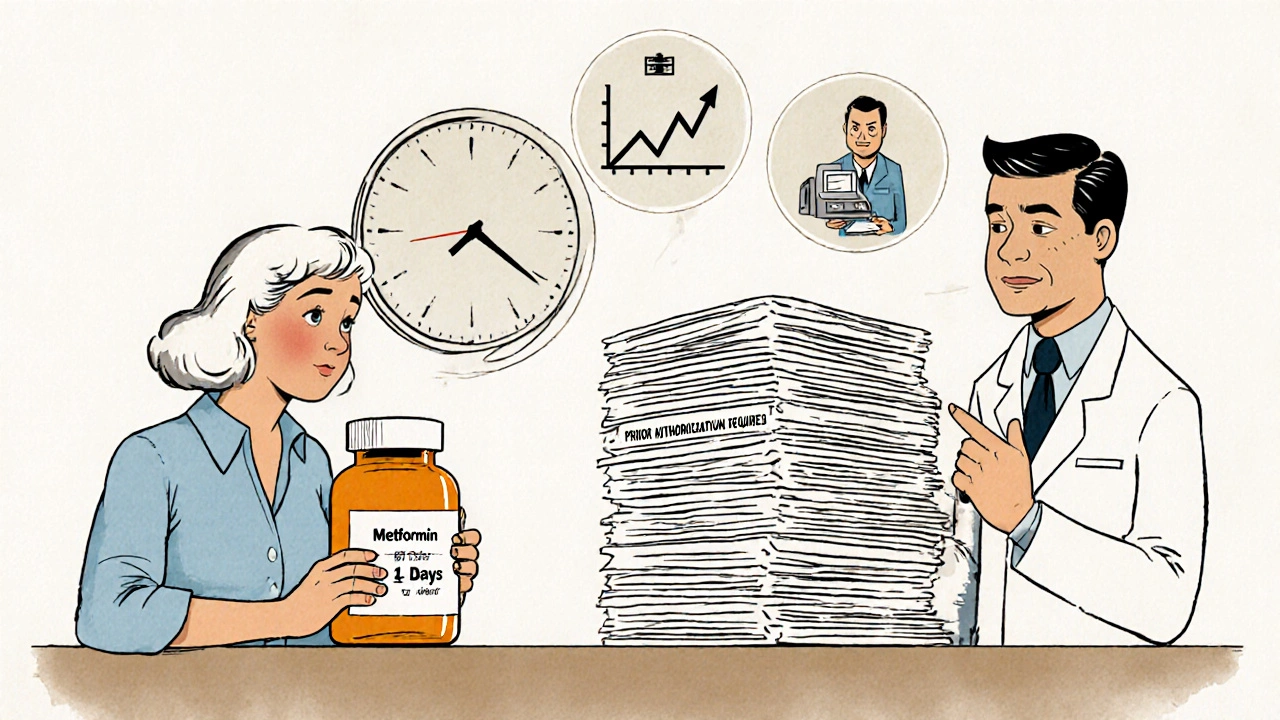
Why are insurance companies requiring approval for cheap generic medications? Learn how prior authorization delays care, increases costs, and what you can do to get your prescription faster.
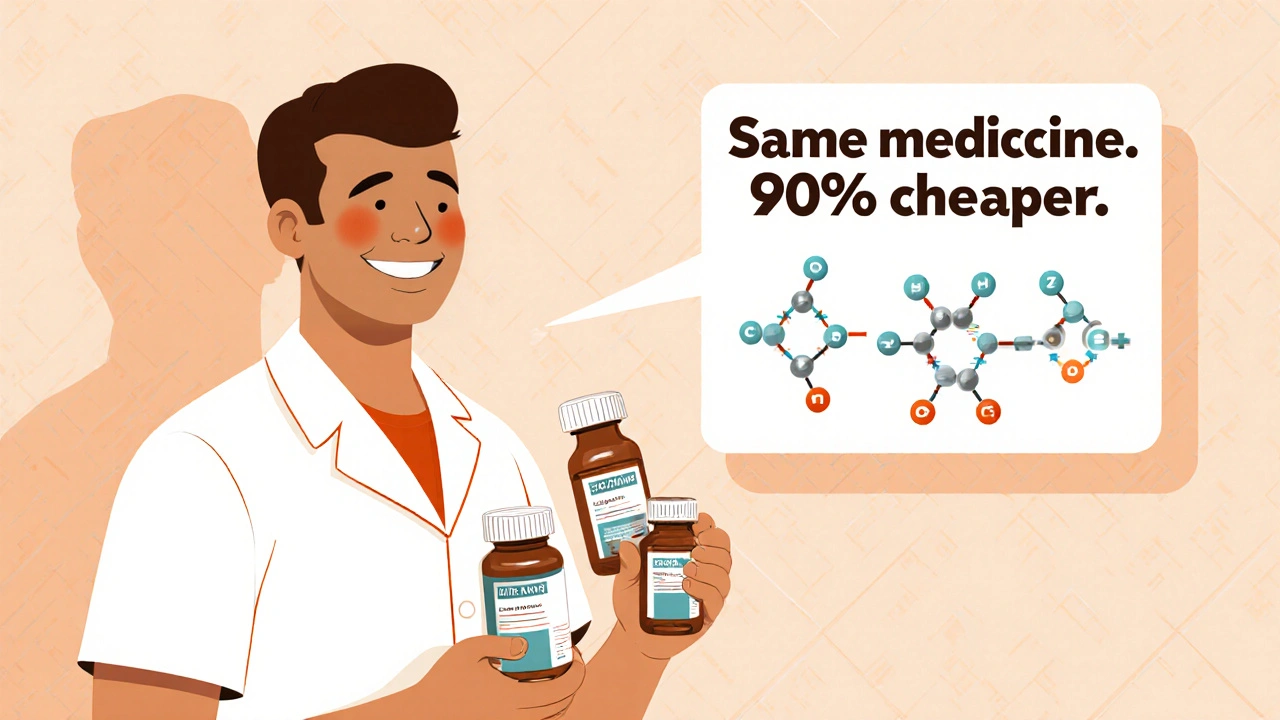
Social media is changing how patients learn about generic medications. Learn how Instagram, TikTok, and YouTube are helping people understand that generics are safe, effective, and affordable-without the hype.