
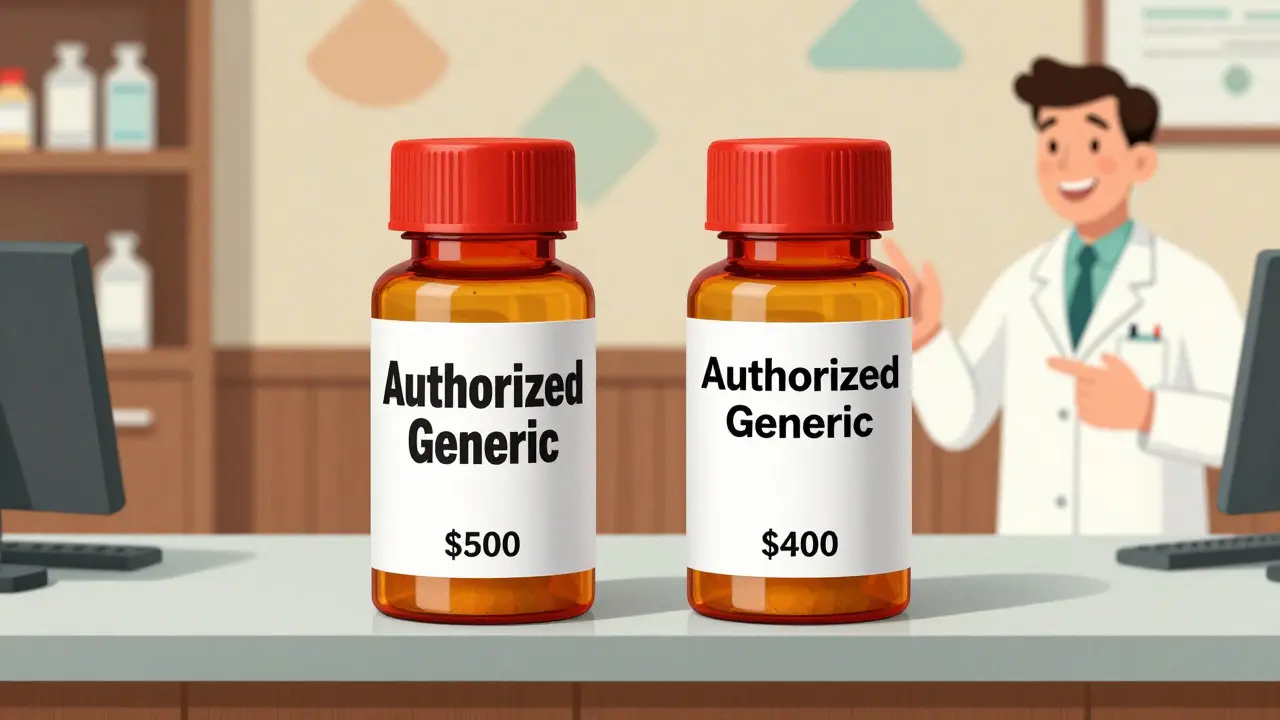
When you pick up a prescription, you might see two bottles on the counter that look identical - same color, same shape, same label with the same active ingredient. One says Brand-Name Drug, the other says Authorized Generic. The price? The authorized generic is often 10% to 20% cheaper. Why? It’s not a trick. It’s not a loophole. It’s the same medicine, made in the same factory, under the same rules - just sold under a different name.
What Exactly Is an Authorized Generic?
An authorized generic is a brand-name drug that’s sold without the brand name on the label. It’s made by the original drug company, or licensed to another company with the brand company’s permission. The FDA requires that these drugs meet the exact same standards as the brand version: same active ingredient, same dosage, same manufacturing process, same quality controls. In fact, they’re often made on the same production line, using the same equipment and raw materials. You might think, "If it’s the same, why does it cost less?" The answer lies in how the market works - and who’s paying.Why Authorized Generics Are Cheaper
The main reason? No marketing costs. No advertising. No sales reps visiting doctors. No patent protection fees. When a brand-name drug loses its patent, the company doesn’t just sit back and wait for generic competitors to show up. Instead, many launch an authorized generic - often right when the first generic enters the market. This move isn’t charity. It’s strategy. Think of it this way: if you’re the brand company and you know a generic is coming, you have two choices. You can let the first generic company charge whatever it wants for six months (the 180-day exclusivity window under the Hatch-Waxman Act), or you can undercut them before they even get started. Launching your own generic version - an authorized generic - forces the first generic to drop prices fast. And that drives the price of the whole category down. The Federal Trade Commission found that when an authorized generic enters the market at the same time as a traditional generic, pharmacy prices drop by 13% to 18% compared to when no authorized generic is present. Retail prices? Down 4% to 8%. That’s not a small difference - it’s hundreds of dollars a year for people on chronic meds.How It Works in Real Life
Take the EpiPen. In 2016, Mylan raised the price from $100 to $600. Public outrage exploded. Then they released an authorized generic for $300 - half the price. Same device. Same epinephrine. Same safety profile. Just no brand name. People could switch and save $300 per refill. Gilead did something similar with Harvoni and Epclusa, two expensive hepatitis C drugs. Before their patents even expired, Gilead launched authorized generics. Why? To stay competitive in a market where cheaper generics were about to flood in. They didn’t want to lose all their customers to a single generic maker. By offering their own version at a discount, they kept control of the market. These aren’t exceptions. About 67% of brand-name drug companies have used this strategy since 2010. It’s now standard practice.
Authorized Generic vs. Traditional Generic: What’s the Difference?
It’s easy to confuse authorized generics with regular generics. Here’s the breakdown:- Authorized Generic: Made by the brand company or under its license. Uses the same NDA (New Drug Application) as the brand. No separate FDA approval needed.
- Traditional Generic: Made by a different company. Must go through the ANDA (Abbreviated New Drug Application) process. FDA approval required. Often cheaper than authorized generics after the exclusivity period ends.
Why You Might Not See the Savings
Here’s the catch: sometimes, you won’t notice the price drop at the pharmacy counter. Why? Pharmacy Benefit Managers (PBMs). These are the middlemen who negotiate drug prices for insurance plans. They decide which drugs go on which tier of your plan’s formulary. If your PBM puts the brand-name drug and the authorized generic on the same tier, you’ll pay the same copay - even if the authorized generic costs the pharmacy less. In that case, the savings go to the insurer, not you. But if your plan puts the authorized generic on a lower tier - like a preferred generic - you’ll pay less. Some plans even encourage switching by making the authorized generic the default option. A 2022 analysis of 1.2 million Medicare Part D patients showed that when authorized generics were placed on the same tier as traditional generics, medication adherence improved by 8.2 percentage points. People took their meds more consistently because they could afford them.Who Benefits the Most?
Patients. Especially those on long-term medications for high blood pressure, diabetes, cholesterol, or mental health conditions. For someone taking a $500-a-month drug, even a 15% savings means $75 a month - $900 a year. That’s a rent payment. A grocery bill. A co-pay for a specialist. Insurers benefit too. Lower drug costs mean lower premiums over time. Even the brand companies benefit - they keep a piece of the market instead of losing it all to a competitor. The only ones who lose are the first generic manufacturer who expected to have a monopoly for six months. But that’s the point. The system was designed to encourage competition. Authorized generics just make sure that competition starts right away.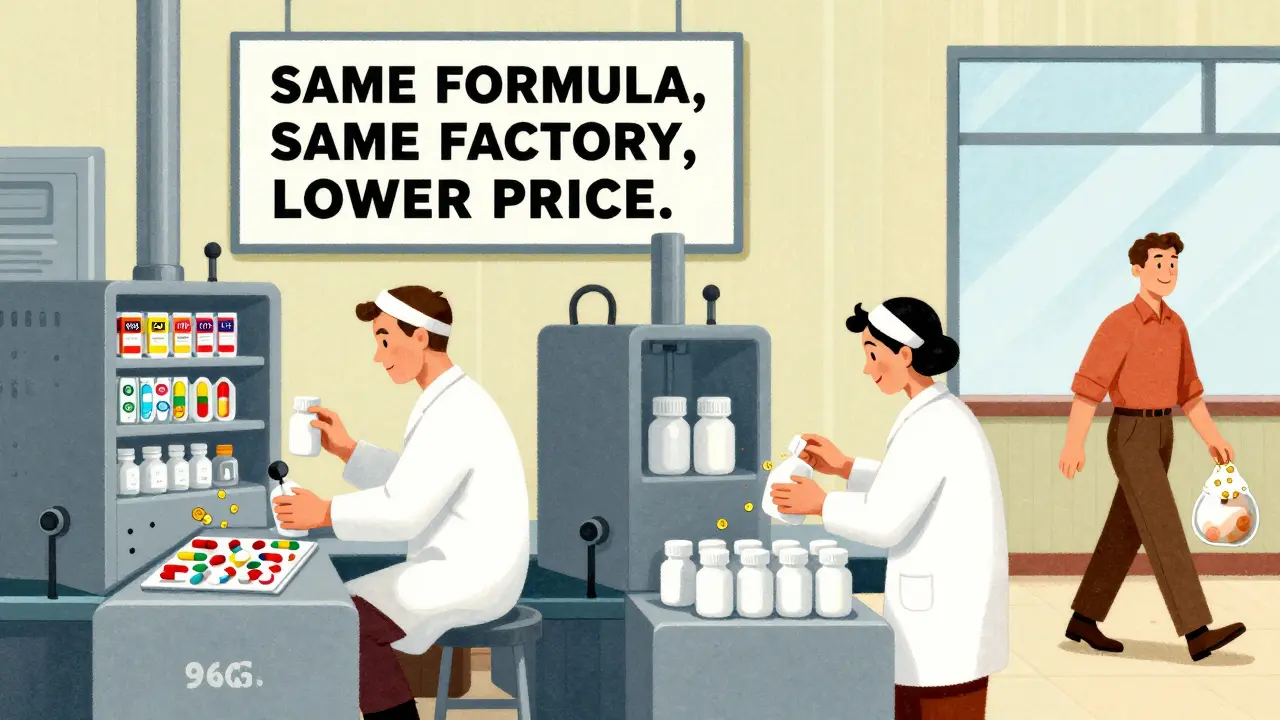


Write a comment