
When your nose runs, your eyes itch, or your skin breaks out in hives, it’s usually because your body is overreacting to something harmless—like pollen, pet dander, or food. That’s where antihistamines, medications that block histamine, a chemical your body releases during allergic reactions. Also known as H1 blockers, they’re one of the most common over-the-counter treatments for allergies. But they’re not just for sneezing. Antihistamines are used for motion sickness, sleep problems, and even some types of hives. Not all of them work the same way, and not all are safe to mix with other meds.
There are two main types: older ones like diphenhydramine and chlorpheniramine that make you sleepy, and newer ones like loratadine and cetirizine that usually don’t. The sleepy ones work faster and can help with insomnia, but they also mess with your focus, balance, and even your heart if you take too much. The non-drowsy ones are better for daily use, but they still interact with other drugs—especially antidepressants, antifungals, and even grapefruit juice. If you’re on blood pressure meds or have an enlarged prostate, some antihistamines can make things worse. And if you’re over 65, your body clears them slower, which raises your risk of confusion, falls, or urinary issues.
Antihistamines aren’t magic. They don’t cure allergies—they just mute the symptoms. If you’re using them every day for months, it’s time to ask why. Are you avoiding triggers? Have you been tested for specific allergies? Could a nasal spray or allergy shots help more? Some people take them for years without realizing there are better long-term options. And if you’re buying them online without a prescription, you might be getting fake pills with wrong doses or dangerous additives. That’s not just risky—it’s illegal.
What you’ll find below are real stories and facts about how antihistamines interact with other drugs, how they affect older adults, what side effects actually matter, and when they’re the wrong choice altogether. You’ll see how they connect to things like sulfonamide allergies, drug safety warnings, and even how some supplements can make them more dangerous. This isn’t about marketing. It’s about what actually happens when you take these pills—and what you should do next.
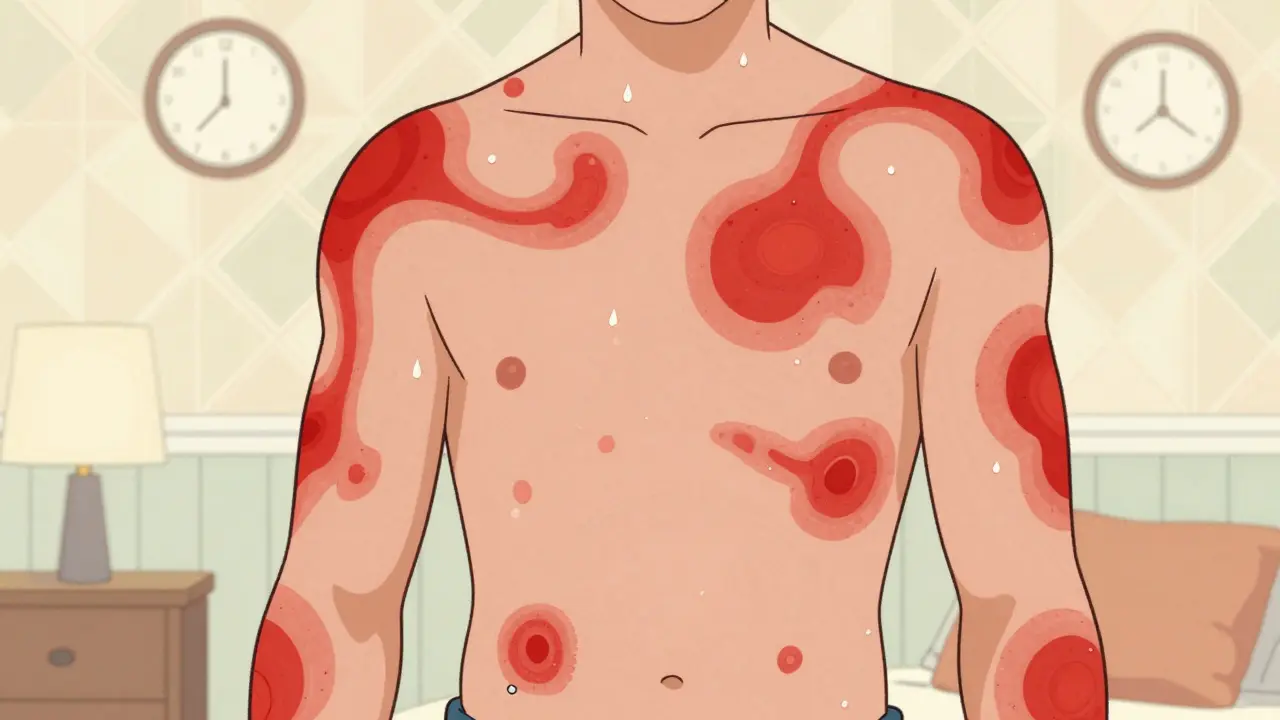
Urticaria, or hives, affects 1 in 5 people at some point. Learn what causes them, how antihistamines work, why they sometimes fail, and what new treatments like remibrutinib and dupilumab offer for chronic cases.
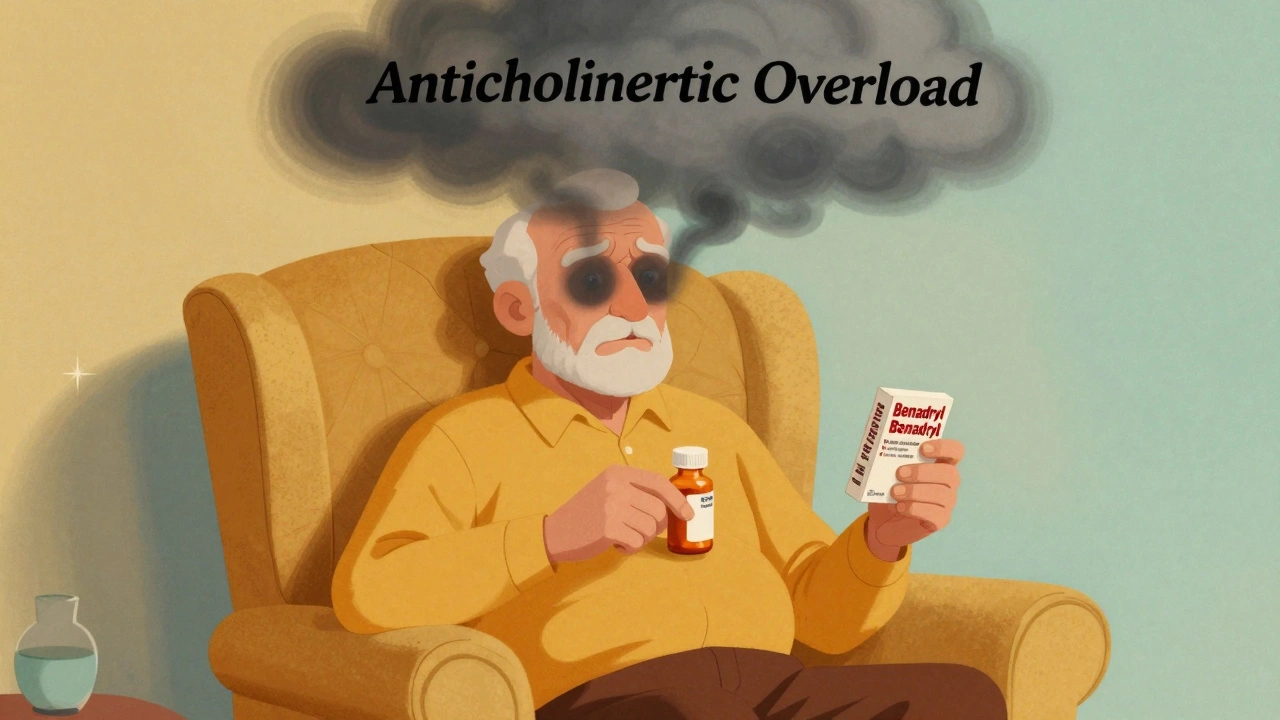
Combining tricyclic antidepressants like amitriptyline with antihistamines like Benadryl can cause anticholinergic overload - a dangerous, often missed condition that increases dementia risk and causes confusion, urinary issues, and delirium, especially in older adults.