
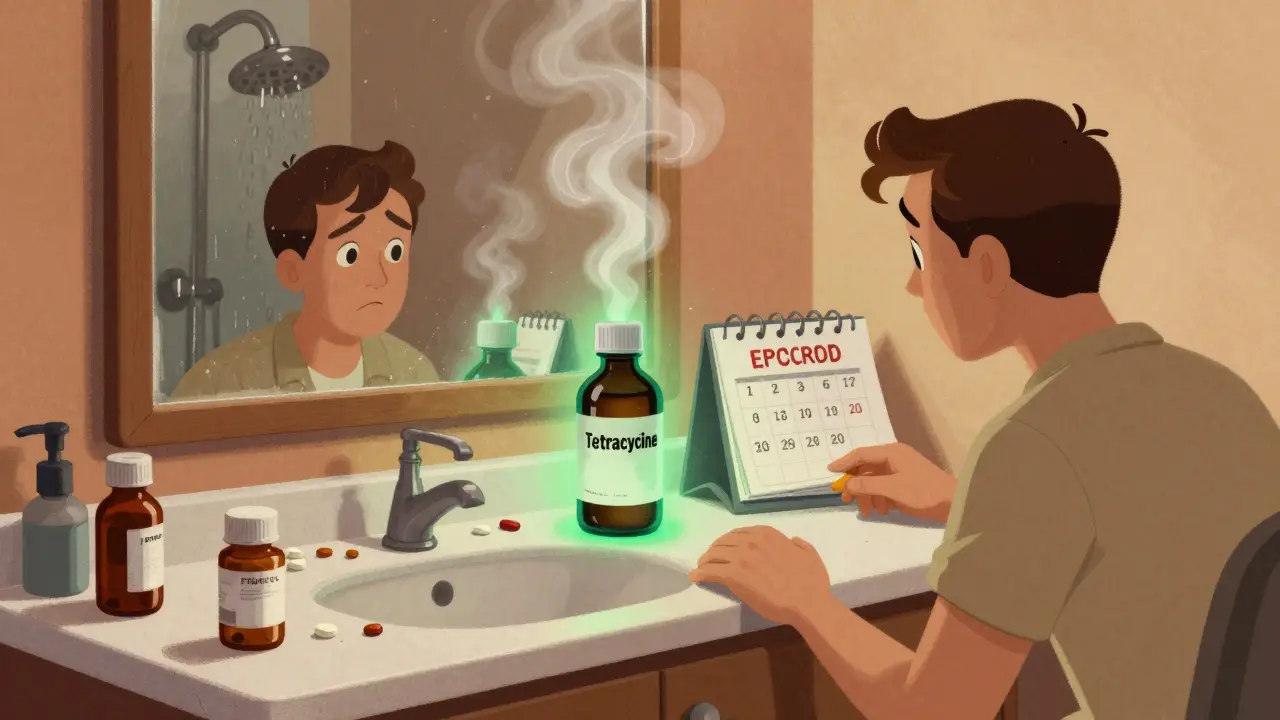
Most people assume that if a pill is past its expiration date, it’s just weaker-maybe it won’t work as well, but it won’t hurt you. That’s the myth. The truth is more complicated. For most medications, yes, they lose potency over time. But for a small group of critical drugs, expiration isn’t just about effectiveness-it’s about toxicity. And ignoring that difference can be dangerous.
What Expiration Dates Really Mean
The date on your medicine bottle isn’t a random guess. It’s the last day the manufacturer guarantees the drug will work as intended and remain safe under proper storage. This requirement came from U.S. law in 1979, after pressure from consumer groups and Congress to standardize drug labeling. Manufacturers test their products under controlled conditions-heat, humidity, light-and set expiration dates based on how long the active ingredients stay stable. But here’s what most people don’t know: the FDA’s Shelf Life Extension Program (SLEP), run with the Department of Defense since the 1980s, tested over 100 medications and found that 90% of them were still fully potent 5 to 15 years after expiration-if stored correctly. That means your old ibuprofen or allergy pill might still work fine. But that doesn’t mean all drugs are safe to use past their date.The Dangerous Exceptions
Not all medications degrade the same way. Some break down into harmful substances. The most well-documented case happened in 1963, when three patients developed kidney damage after taking expired tetracycline. The drug broke down into epitetracycline and anhydro-4-epitetracycline-compounds that are toxic to the kidneys. Even though packaging and manufacturing have improved since then, the chemical risk remains. Other high-risk medications include:- Nitroglycerin: Used for chest pain, this drug breaks down into unstable nitrogen oxides. Studies from the Cleveland Clinic show it loses half its potency within three months of expiration. If you’re having a heart attack and your nitroglycerin doesn’t work, you could die waiting for help.
- Insulin: After expiration, insulin starts forming clumps and fibrils. Research from the Journal of Diabetes Science and Technology shows it can lose 20-30% of its effectiveness each year. For someone with type 1 diabetes, that’s not just inconvenient-it’s life-threatening.
- Liquid antibiotics: Amoxicillin-clavulanate and similar suspensions can grow bacteria after expiration. Even if the drug itself doesn’t become toxic, the liquid medium can become contaminated. One parent reported their child developed severe diarrhea after taking an antibiotic expired by just three days.
- EpiPens: Epinephrine degrades quickly. A 2017 study in the Annals of Internal Medicine found that one year past expiration, EpiPens lost 85% of their potency. In anaphylaxis, seconds matter. A weak EpiPen might not stop swelling or breathing trouble.
- Eye drops: Once opened, preservatives in eye drops break down. After 28 days, bacteria can grow in the bottle. Using contaminated drops can lead to corneal ulcers and permanent vision loss.
- Aspirin: It breaks down into acetic acid (vinegar smell) and salicylic acid. A 2021 study in the Journal of Pharmaceutical Sciences found that aspirin two years past expiration is 50% more likely to cause stomach irritation or bleeding.
Storage Matters More Than You Think
Your medicine’s shelf life isn’t just about the date on the bottle-it’s about where you keep it. The FDA says a “cool, dry place” means 15-25°C (59-77°F) with 35-45% humidity. Sounds simple, right? But in most U.S. bathrooms, the average temperature is 32°C (90°F) with 80% humidity. That’s a recipe for degradation. Insulin stored in the fridge lasts longer. Nitroglycerin tablets last six months past expiration only if kept in their original glass bottle with amber protection. If you transfer them to a plastic pill organizer, they’ll break down faster. And if you leave your asthma inhaler on the windowsill? Don’t expect it to work when you need it.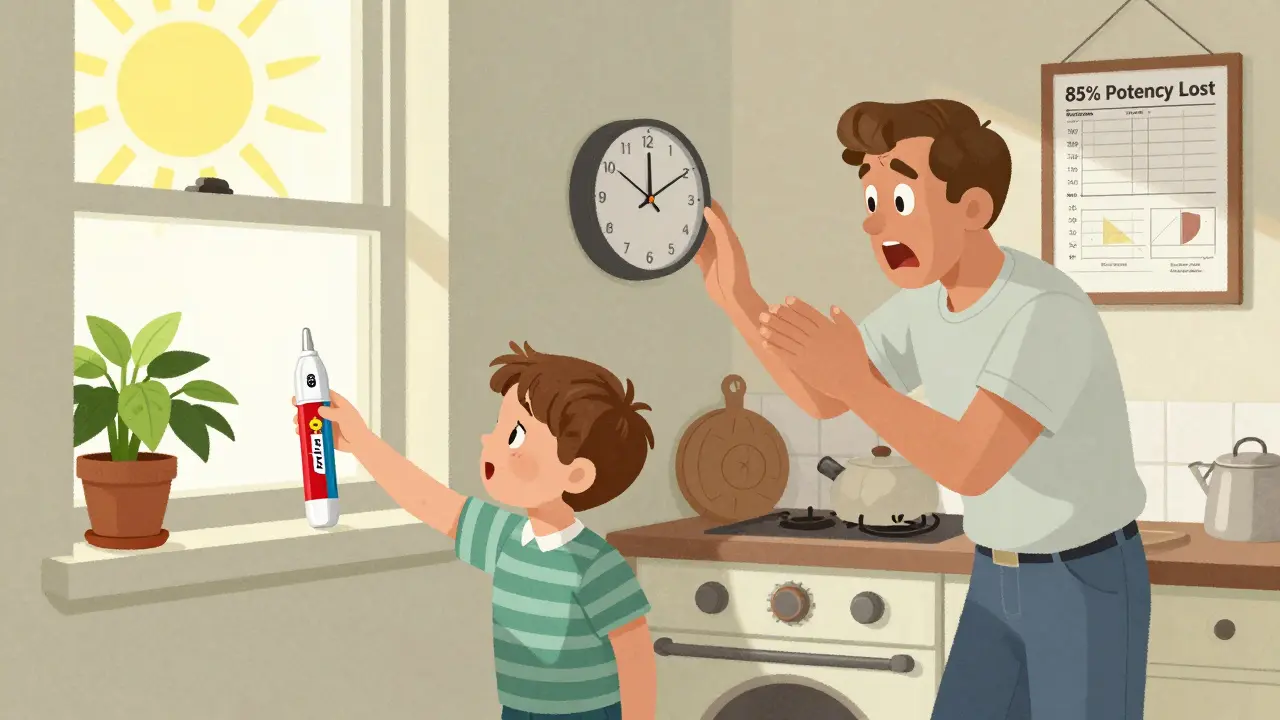
What the Experts Really Say
There’s a split in the medical community. The FDA, CDC, and DEA all say: “Don’t use expired medications.” Their reasoning? Even if most are safe, the risk isn’t worth it. In 2020, the CDC reported over 36,000 emergency visits from children accidentally swallowing medications. That’s a big reason why they err on the side of caution. But other experts see it differently. The Institute for Safe Medication Practices says most expired drugs are harmless-just ineffective. Dr. Peter J. Embi from the NIH testified in 2022 that the current system wastes $3.5 billion a year in unused drugs. The American College of Medical Toxicology says there have been only two confirmed cases of toxicity from expired meds in the past 60 years. Dr. Neha Vyas from Cleveland Clinic puts it plainly: “Expired medications can interfere with other drugs you’re taking. That’s especially true with blood thinners, insulin, and antibiotics.” Meanwhile, Kimberly Hatton from the American Pharmacists Association says: “The evidence shows drugs are stable long beyond their expiration dates. Harm is highly unlikely.” The truth? For most pills-like your blood pressure meds or antidepressants-it’s probably fine. But for the high-risk drugs listed above? Don’t risk it.What Real People Are Doing
On Reddit’s r/pharmacy forum, a thread asking “Took expired antibiotics-should I panic?” got 472 replies. Eighty-three percent said they took expired meds without issues. Seventeen percent said their treatment failed-like an antibiotic that didn’t clear an infection. Consumer Reports surveyed 2,147 U.S. adults in 2023. Sixty-eight percent admitted using at least one expired medication. Twelve percent said it didn’t work. Only 0.3% reported any symptoms of toxicity. One user wrote: “Used my expired EpiPen during an allergic reaction. It worked, but it took longer to help.” Another: “Expired nitroglycerin didn’t stop my chest pain. Called 911. Saved my life.” The pattern? People don’t get poisoned. They get sick because the medicine didn’t work.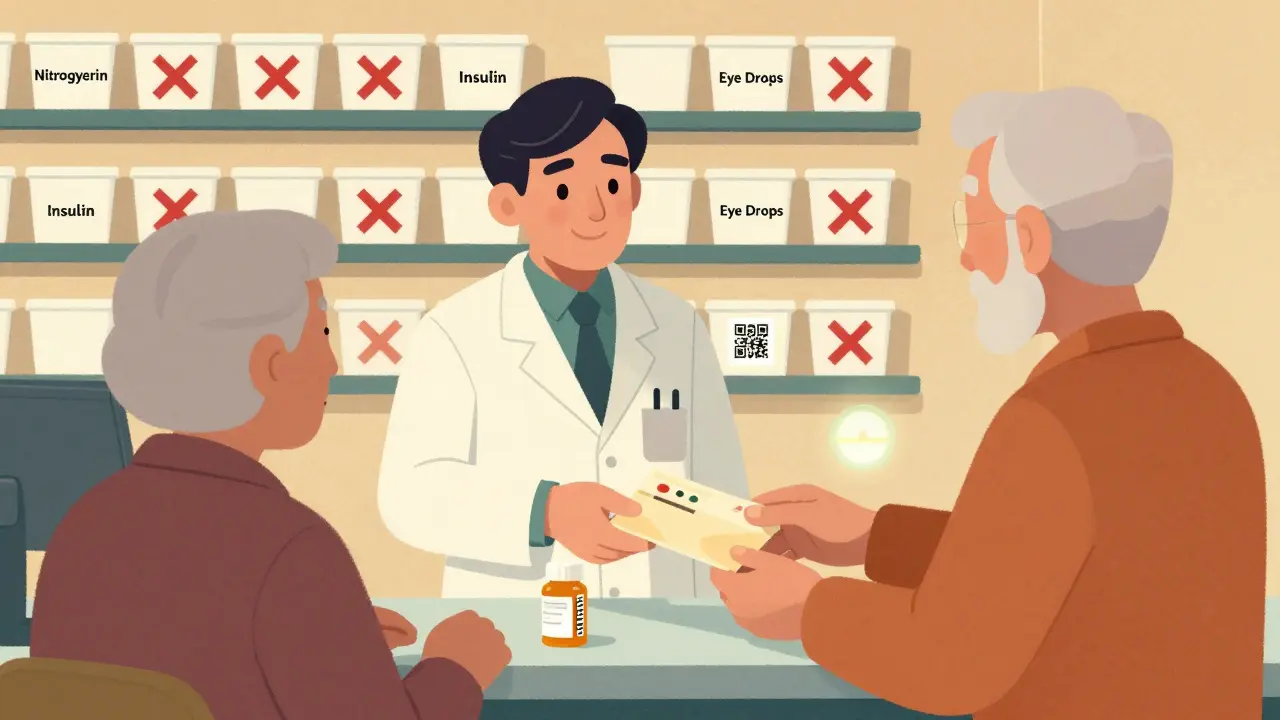
What to Do Instead
If you have expired medication, here’s what to do:- Check the type. If it’s insulin, nitroglycerin, EpiPen, liquid antibiotic, or eye drops-throw it out. No exceptions.
- Don’t flush or trash it. Flushing contaminates water. Throwing it in the trash risks kids or pets finding it.
- Use a drug take-back program. The DEA runs National Prescription Drug Take-Back Days twice a year. Pharmacies like CVS and Walgreens also have drop boxes.
- Store properly. Keep meds in a cool, dry cabinet-not the bathroom or near the stove. Use airtight containers if needed.
- Check dates regularly. Set a reminder every six months to go through your medicine cabinet. Toss anything expired, especially the high-risk drugs.
The Bigger Picture
The U.S. pharmaceutical industry throws away $8.2 billion worth of medicine every year because of expiration dates. That’s not just waste-it’s a public health issue. People in rural areas or on fixed incomes can’t afford to replace meds every year. The FDA is testing a pilot program to extend expiration dates for 20 critical drugs based on real-time stability data. Companies like Pfizer and Merck are investing hundreds of millions in smart packaging that tracks actual storage conditions. By 2027, your pill bottle might have a QR code that tells you if your medicine is still good-not based on a printed date, but on how hot your house got last summer. Until then, the safest rule is simple: when in doubt, toss it. Especially if it’s something that could save your life.Are expired medications always dangerous?
No. Most expired medications, like tablets and capsules for blood pressure, allergies, or depression, are not dangerous-they’re just less effective. The real danger comes from specific drugs like insulin, nitroglycerin, EpiPens, liquid antibiotics, and eye drops, which can break down into harmful substances or lose potency to a life-threatening degree.
Can expired pills make you sick?
It’s rare, but possible. The only well-documented cases of toxicity from expired meds involve degraded tetracycline (kidney damage) and possibly clindamycin. More commonly, people get sick because the drug didn’t work-like an antibiotic that didn’t clear an infection, or an EpiPen that failed during an allergic reaction.
How long after expiration is it safe to take medicine?
For solid medications stored properly, many retain potency for years beyond expiration. But you shouldn’t rely on that. The FDA doesn’t recommend it, and the risk isn’t worth it for critical drugs. For non-critical meds like ibuprofen or antihistamines, using them 1-2 years past expiration is unlikely to cause harm-but they may not work as well.
What should I do with expired medications?
Never flush them or throw them in the trash. Use a drug take-back program. Pharmacies like CVS and Walgreens have drop boxes, and the DEA holds National Prescription Drug Take-Back Days twice a year. This prevents accidental poisoning and environmental contamination.
Why do expiration dates exist if most drugs are still safe?
Expiration dates are based on manufacturer testing under ideal conditions. They’re conservative by law to ensure safety and effectiveness. The system exists to protect people, especially those who store meds improperly. Even if 90% of drugs are still potent years later, the risk of someone using a degraded EpiPen or insulin is too high to ignore.


Write a comment