
When weight loss surgery, a group of medical procedures designed to help people with severe obesity lose weight by changing how the stomach and intestines work. Also known as bariatric surgery, it's not a quick fix—it's a tool for long-term health change. For many, it’s the only option that leads to lasting results when diet and exercise alone haven’t worked, especially when conditions like type 2 diabetes, high blood pressure, or sleep apnea are involved.
There are a few main types of weight loss surgery, procedures that reduce stomach size or alter digestion to limit food intake and absorption. The most common are gastric bypass, a surgery that creates a small stomach pouch and reroutes the small intestine, and sleeve gastrectomy, where about 80% of the stomach is removed, leaving a banana-shaped tube. Both require lifelong changes in eating habits and often lead to major improvements in related health issues. But they also come with risks—nutrient deficiencies, dumping syndrome, and the need for follow-up surgeries—are real concerns you can’t ignore.
It’s not just about the procedure. Success depends on what you do before and after. People who stick with follow-up care, take prescribed vitamins, and adjust their relationship with food do best. Some even need help with mental health—depression, anxiety, or past trauma can affect outcomes. That’s why many programs require counseling before approval. And while weight loss medications, drugs like semaglutide or liraglutide that help reduce appetite and promote weight loss are becoming more popular, they don’t replace surgery for those with severe obesity. They can, however, be used before or after to support results.
What you’ll find in these articles aren’t sales pitches or miracle claims. These are real stories from people who’ve been through it, backed by medical facts. You’ll learn how to prepare for surgery, what to expect in recovery, how to avoid common mistakes, and how to spot warning signs that something’s wrong. Some posts talk about managing side effects like hair loss or nausea. Others cover how to handle weight regain or what to do if your insurance denies coverage. You’ll also find info on how medications like corticosteroids can affect your weight and how to avoid dangerous interactions with supplements. This isn’t a one-size-fits-all guide. It’s a collection of practical, no-fluff advice from people who’ve lived it and experts who’ve seen the results firsthand.
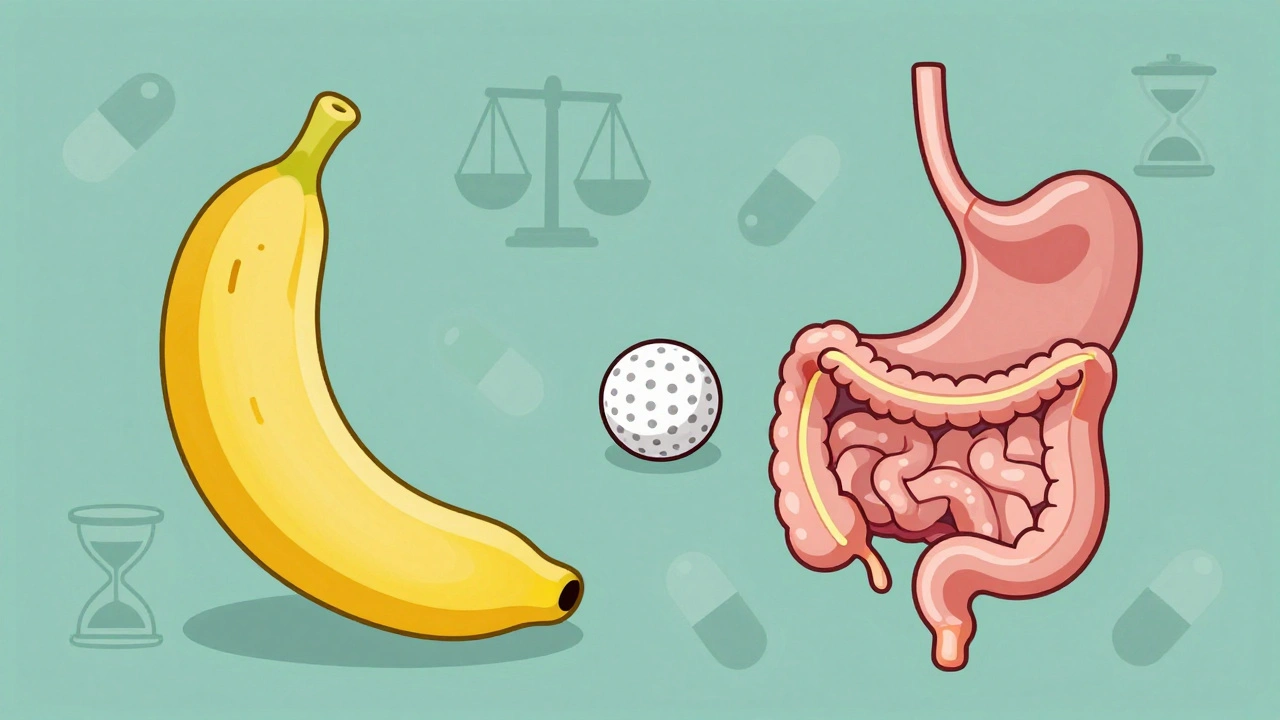
Gastric bypass and sleeve gastrectomy are the two most common weight loss surgeries. Learn how they differ in weight loss results, risks, recovery, and long-term health impacts - with real data from 2024 studies.