
When you take a medication, you trust it will help—not hurt. But some warning signs, early indicators of harmful drug reactions that are often ignored or misinterpreted don’t show up as obvious symptoms. They creep in slowly: a sudden headache, unexplained confusion, ringing in the ears, or muscle weakness. These aren’t just side effects—they’re red flags that something serious is happening inside your body. The drug interactions, when two or more medications react in ways that increase risk or reduce effectiveness you didn’t know about can turn a safe treatment into a silent threat. For example, mixing common pain relievers with blood thinners can cause internal bleeding you won’t feel until it’s too late.
Many people don’t realize that adverse events, harmful and unintended responses to medications that require medical attention are underreported by as much as 90%. A tremor from your transplant drug, dizziness after starting a new antidepressant, or sudden hearing loss after an antibiotic aren’t just "bad luck." They’re signals your body is under stress. medication side effects, expected but potentially dangerous outcomes from drug use are often dismissed as normal, especially in older adults. But what’s called "normal aging" could be anticholinergic overload from stacking sleep aids and antidepressants—or muscle breakdown from statins mixed with grapefruit juice. And then there are the black box warnings, the strongest safety alerts the FDA can issue, reserved for drugs that can cause death or severe injury. These aren’t just fine print—they’re lifelines. If your prescription has one, you need to know exactly what to watch for.
You don’t need to be a doctor to recognize danger. You just need to know what to look for. The articles below cover real cases: how quercetin supplements can spike drug levels, why generic drugs get missed in safety reports, how hearing loss from chemotherapy starts with a whisper, and why stopping blood thinners on your own can kill you. These aren’t theoretical risks. They’re daily realities for people who didn’t know the signs. If you’re taking more than one medication, or if you’ve ever thought "this doesn’t feel right," keep reading. The next warning sign you notice could be the one that saves your life.
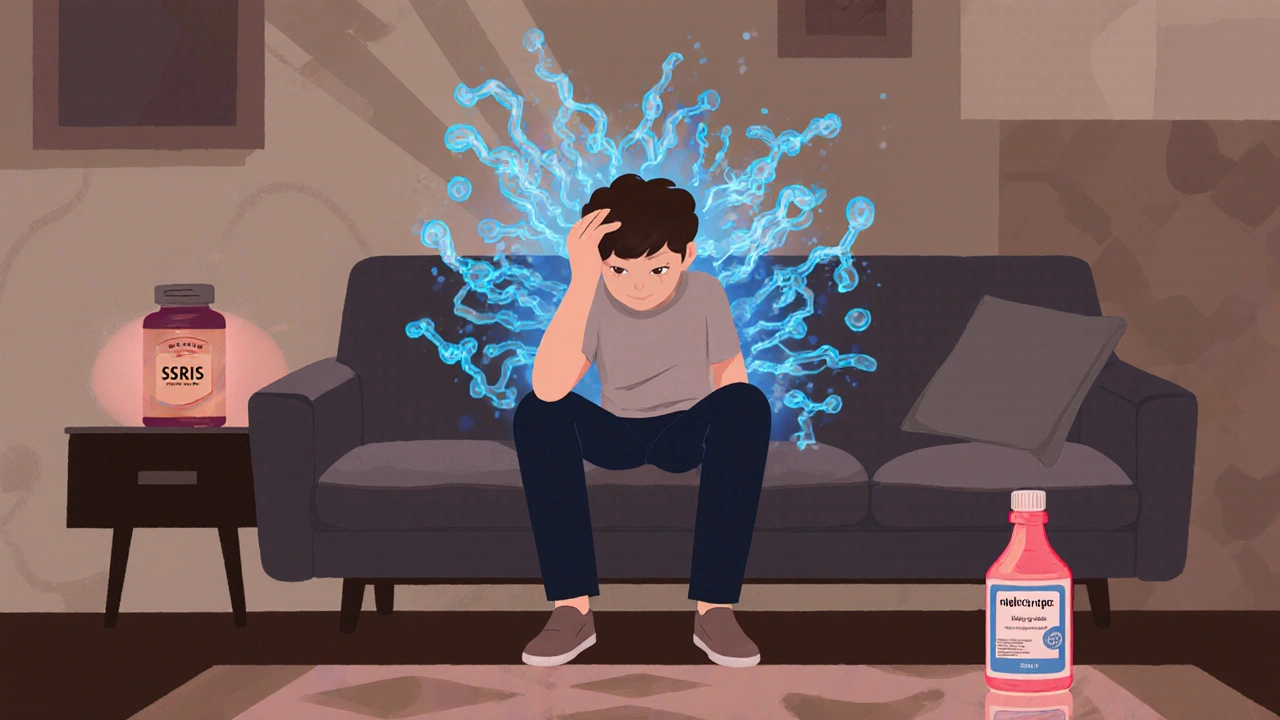
Serotonin syndrome is a life-threatening reaction to too much serotonin, often caused by antidepressant interactions. Learn the early warning signs-tremors, sweating, clonus-and how to act fast before it turns deadly.