
When your blood vessels become inflamed — a condition called vasculitis, a group of disorders where the immune system attacks blood vessels, leading to swelling, narrowing, and reduced blood flow. It can affect any organ, from your skin to your kidneys, and symptoms range from mild rashes to life-threatening organ damage. There’s no one-size-fits-all fix. corticosteroids, powerful anti-inflammatory drugs like prednisone, often used as the first line of defense are common, but they come with side effects like weight gain, bone loss, and mood swings. That’s why many patients quickly move to immunosuppressants, medications that calm the overactive immune response without the long-term damage of steroids — drugs like cyclophosphamide, methotrexate, or rituximab. These aren’t magic bullets, but they’re often the difference between managing symptoms and preventing permanent organ harm.
Not all vasculitis is the same. Some types, like giant cell arteritis or granulomatosis with polyangiitis, are more aggressive and need stronger, faster treatment. Others, like microscopic polyangiitis or Henoch-Schönlein purpura, may resolve on their own in mild cases — but still need monitoring. What you don’t see on the surface matters: kidney function, nerve damage, lung involvement. That’s why blood tests, imaging, and sometimes biopsies are part of the process. And it’s not just about drugs. Lifestyle changes — quitting smoking, managing blood pressure, avoiding infections — can make a real difference in how well you respond. Many people don’t realize that vasculitis treatment isn’t just about killing inflammation. It’s about balancing control with quality of life. Too much medication can leave you weak and vulnerable. Too little, and you risk irreversible damage.
The posts below cover real-world challenges people face with vasculitis and its treatment. You’ll find what works when steroids cause moon face, how to spot early signs of organ damage, why some drugs trigger gout or nerve pain, and how to talk to your doctor when side effects pile up. These aren’t theoretical guides — they’re based on what patients actually deal with every day. Whether you’re newly diagnosed or managing this for years, the information here is meant to help you ask better questions and make smarter choices.
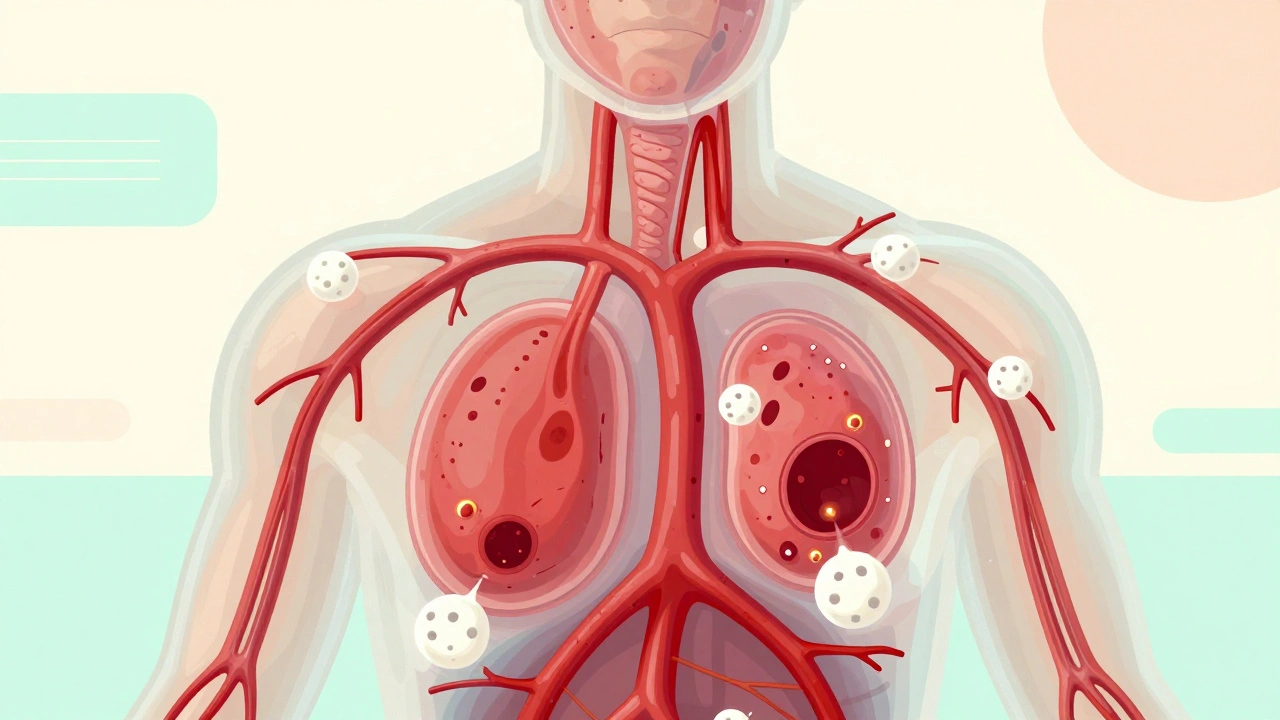
Vasculitis is an autoimmune condition where the immune system attacks blood vessels, causing inflammation and reduced blood flow. Learn the types, symptoms, diagnostic tests, and modern treatments-including steroid-sparing drugs like avacopan-that can prevent organ damage.