
When you hear UC remission, the state where inflammation in the colon calms down and symptoms like diarrhea, bleeding, and cramps disappear. Also known as clinical remission, it’s not just feeling better—it’s the gut lining actually healing, even if you can’t see it. Many people think remission means they’re cured, but it’s not. Ulcerative colitis is a lifelong condition, and remission is a pause, not an end. The goal isn’t just to stop the pain—it’s to prevent flares, avoid surgery, and lower the risk of colon cancer over time.
Getting to remission usually starts with drugs that quiet the immune system. Corticosteroids, like prednisone, are fast-acting and used to bring down severe flare-ups. But they’re not meant for long-term use because of side effects like weight gain, moon face, and bone loss. Once the fire’s out, doctors switch to maintenance meds—things like 5-ASAs, mesalamine and sulfasalazine, which keep the lining calm day after day. For tougher cases, biologics, like infliximab or vedolizumab, target specific immune signals that drive inflammation. These aren’t magic pills—they work for some, not all—and they come with their own risks, like infections.
Remission doesn’t happen overnight. It takes time, consistency, and sometimes trial and error. Some people stay in remission for years. Others flare again within months. Why? It’s not just the drug—it’s diet, stress, gut bacteria, and even how well you take your meds. Skipping doses because you feel fine is one of the biggest reasons remission ends. And if you’re on steroids long-term, you’re not really in true remission—you’re just holding the flare at bay with side effects.
What’s missing from most conversations is that remission isn’t just about the colon. It’s about your whole life—sleep, energy, mood, work. People in deep remission can run marathons. Others still feel tired, even when tests look good. That’s why tracking symptoms matters more than blood work alone. And if your doctor only checks labs and skips asking how you actually feel, you’re not getting full care.
Below, you’ll find real-world guides on how drugs like corticosteroids affect your body during remission, why some people react badly to certain meds, and how to spot when remission is slipping away before it turns into a full flare. These aren’t theory pieces—they’re from people who’ve lived it, and the science behind what actually works.
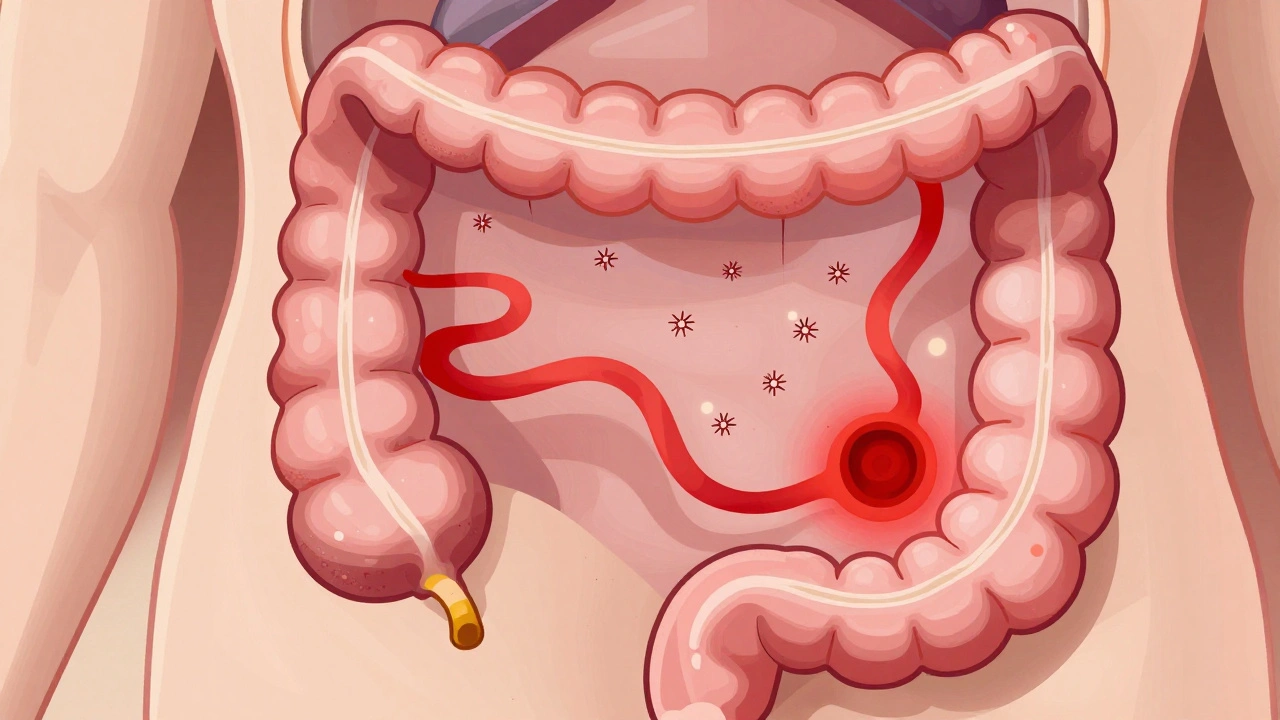
Ulcerative colitis is a chronic colon inflammation that causes bloody diarrhea, pain, and urgent bowel movements. Learn how to identify your type, manage flares, and achieve lasting remission with medication, diet, and monitoring.