
When you hear targeted therapy, a type of cancer treatment that locks onto specific molecules driving tumor growth. Also known as precision medicine, it doesn’t just blast cells—it picks out the ones that matter most. Unlike chemotherapy, which hits fast-growing cells everywhere, targeted therapy zeroes in on the exact genetic or protein flaws that make cancer cells different from healthy ones. This means fewer side effects for many patients and a better chance of stopping the disease before it spreads.
It works because cancers aren’t all the same. Two people with lung cancer might have tumors driven by completely different mutations. One might have an EGFR gene change, another an ALK fusion. targeted therapy drugs, like osimertinib or crizotinib, are designed to block those specific flaws. That’s why doctors now test tumors for biomarkers before deciding on treatment. If your cancer has the right marker, targeted therapy can shrink tumors for years. If not, it won’t work at all.
This approach isn’t just for lung cancer. breast cancer, especially HER2-positive types, has been transformed by drugs like trastuzumab. Melanoma with BRAF mutations responds to vemurafenib. Even rare cancers like GIST are now manageable because of imatinib, a drug that targets a single faulty protein. But it’s not magic. Tumors can adapt, develop resistance, or have multiple drivers at once. That’s why targeted therapy often gets combined with other treatments—like immunotherapy or chemo—to keep the cancer off balance.
Side effects still happen, but they’re different from chemo. Instead of nausea and hair loss, you might get skin rashes, high blood pressure, or liver changes. These are signs the drug is doing its job—hitting the right targets. Monitoring blood work and reporting rashes early can make a big difference in how long you stay on treatment.
What you’ll find in these articles isn’t just theory. Real stories about how targeted therapy fits into daily life: how it interacts with other meds, what to watch for when taking it with food, why some supplements can mess with its effectiveness, and how patients manage long-term side effects like fatigue or nerve issues. You’ll see how it connects to autoimmune conditions like vasculitis, where similar molecular targeting is used. You’ll learn why some patients need genetic testing before starting, and how new drugs are changing survival rates for cancers once considered untreatable.
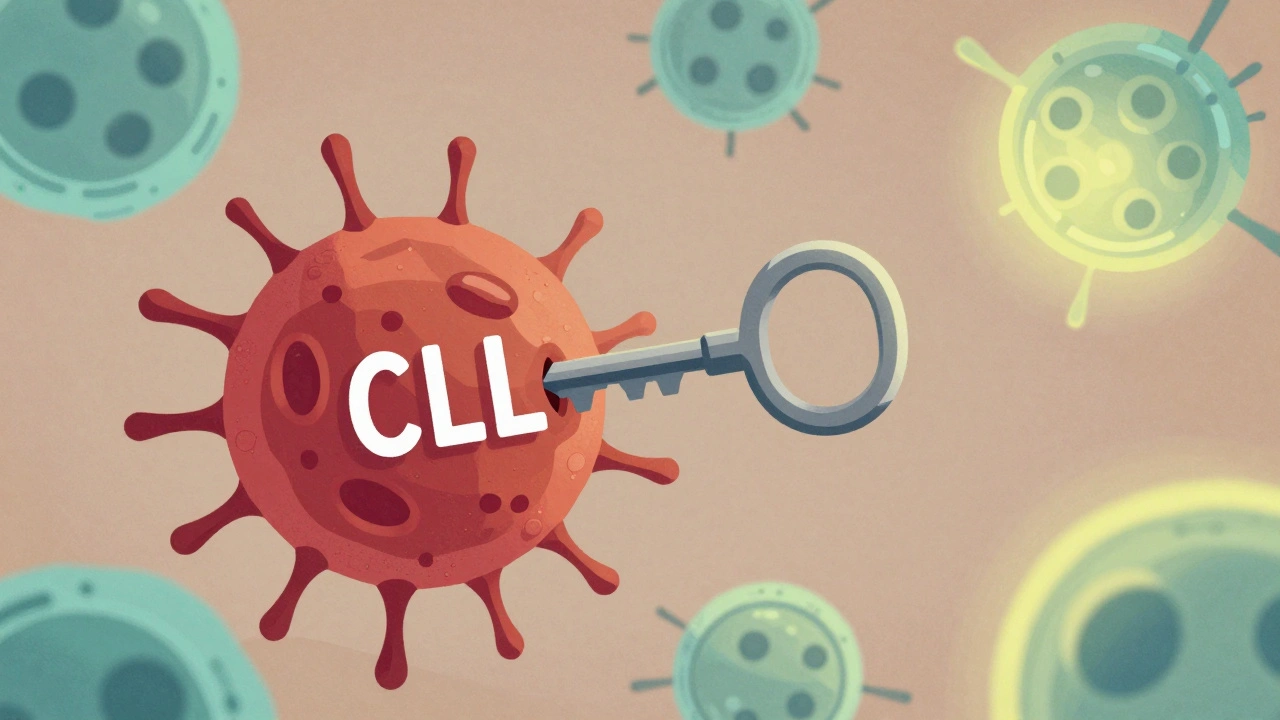
Targeted therapies and CAR T-cell treatments are transforming leukemia and lymphoma care, offering deeper remissions and fewer side effects than chemotherapy. Learn how these breakthroughs work, who benefits most, and what’s next.