
When you think of pharmacy practice, the professional work pharmacists do to ensure medications are used safely and effectively. Also known as clinical pharmacy, it's not just about counting pills—it's about spotting dangerous combinations, catching side effects before they happen, and making sure patients actually understand what they're taking. Most people assume their meds are safe because a doctor prescribed them. But pharmacy practice is where the real safety checks happen—often before a patient even leaves the counter.
It’s not just about prescriptions. drug interactions, when two or more medications react in harmful ways inside the body are a daily concern. Think of someone taking amitriptyline for depression and Benadryl for allergies—both are common, both block acetylcholine, and together they can cause confusion, urinary problems, or even raise dementia risk in older adults. Or someone on simvastatin eating grapefruit, not knowing it can trigger muscle breakdown. These aren’t rare mistakes. They’re preventable—and that’s where pharmacy practice steps in.
adverse events, unexpected or harmful reactions to medications don’t always show up in clinical trials. Real people take dozens of pills. They mix them with supplements like quercetin, which can spike blood levels of heart meds or blood thinners. Or they take generic drugs and assume they’re identical to brand names—until they get a strange tremor from tacrolimus or a rash from a sulfonamide they were told they weren’t allergic to. That’s why pharmacovigilance, the science of monitoring drug safety after they’re on the market matters. Your report of a bad reaction isn’t just noise—it’s data that could change how a drug is labeled, or even pulled from shelves.
Pharmacy practice also means knowing when a drug doesn’t belong. Lisinopril during pregnancy? A no-go. Ranitidine, banned for years but still lurking in people’s cabinets? A risk. Thiazide diuretics triggering gout? Common, but often ignored. Even something as simple as hydrocortisone for babies needs careful dosing—too much can cause hormonal issues. And then there’s the quiet crisis: people stopping meds because of side effects, not because they’re better, but because no one told them how to manage the nausea, dizziness, or fatigue. That’s where pharmacy practice turns into patient advocacy.
It’s not glamorous work. Pharmacists don’t get headlines for catching a dangerous combo. But every time someone walks away from the counter without a life-threatening mistake, that’s pharmacy practice in action. The posts below dive into the real stories behind those moments—the hidden dangers of anticholinergics, the silent hearing loss from chemo, the bleeding risks from blood thinners, the allergy mislabels that send people down riskier treatment paths. These aren’t theoretical concerns. They’re daily realities in clinics, hospitals, and community pharmacies. And if you’re taking meds—yours or someone else’s—you need to know what’s really going on behind the label.
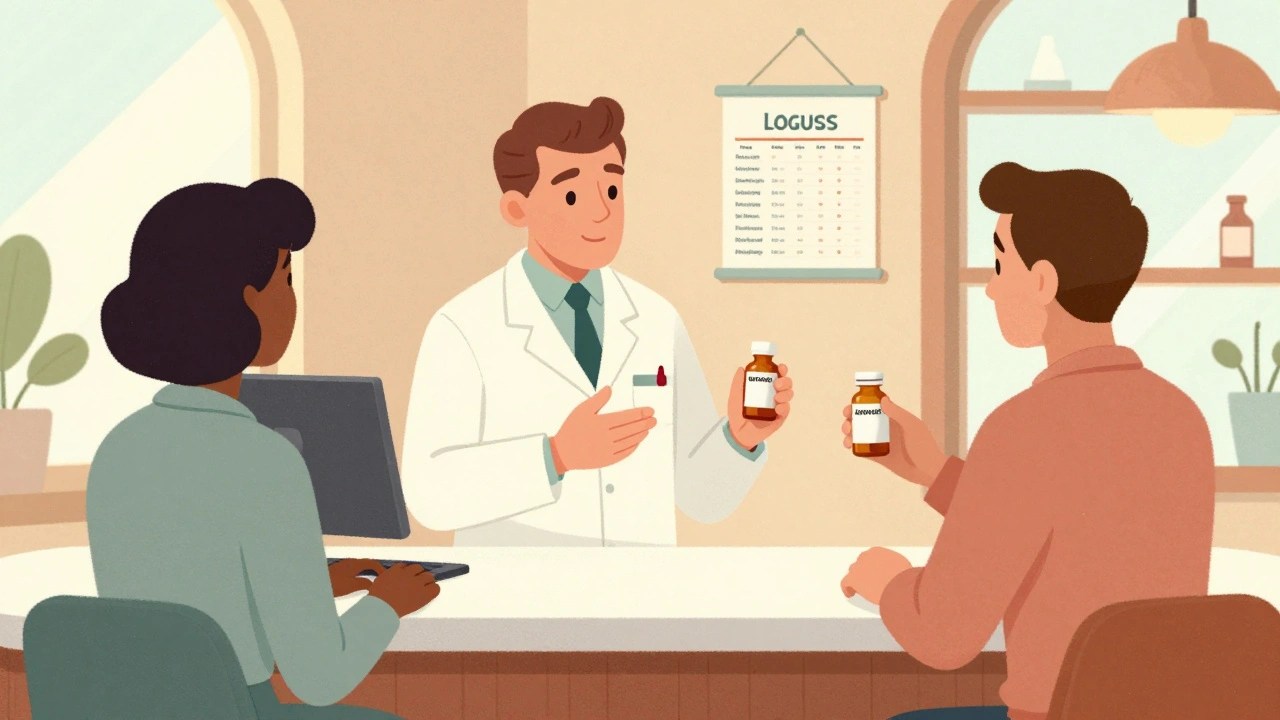
Specialty pharmacies manage high-cost, complex medications for chronic diseases. When generics and biosimilars enter this space, they bring cost savings-but also unique clinical, operational, and patient challenges that require careful handling.