
When you take a pill, you trust it will help—not hurt. That trust is maintained by pharmacovigilance, the ongoing science of detecting, assessing, and preventing adverse effects from medications. Also known as drug safety monitoring, it’s the quiet system working behind every prescription, over-the-counter drug, and supplement you use. It’s not just about rare side effects. It’s about the hidden dangers that show up months later—like hearing loss from antibiotics, muscle breakdown from statins, or confusion from mixing common pain relievers with antidepressants.
Pharmacovigilance doesn’t wait for disasters. It watches for patterns. When ten people on the same drug develop tremors, or when a cheap generic causes more liver issues than the brand name, someone at a regulatory agency or hospital pharmacy picks up the signal. That’s how we learned that simvastatin at 80 mg raises the risk of rhabdomyolysis, or that quercetin supplements can spike blood thinner levels. It’s also how we found out that many people labeled "penicillin allergic" aren’t allergic at all—and that mislabeling leads to costlier, riskier antibiotics. This system connects dots between drug interactions, how one medication changes how another works in your body, and adverse effects, unwanted reactions that aren’t listed on the label. It’s why your pharmacist asks about every supplement you take—even the "natural" ones.
What you’ll find here isn’t theory. It’s real cases. The woman who lost her hearing after cisplatin. The elderly man confused by mixing amitriptyline and Benadryl. The patient who nearly bled out because no one told them grapefruit juice makes simvastatin deadly. These aren’t outliers. They’re signals. And pharmacovigilance is the tool that turns those signals into action. Whether you’re managing chronic pain, taking blood thinners, or just wondering why your new medication makes you dizzy, this collection gives you the facts you won’t find on the bottle. You’ll learn how to spot danger before it’s too late, how to talk to your doctor about risks, and what to ask before you fill that next prescription.
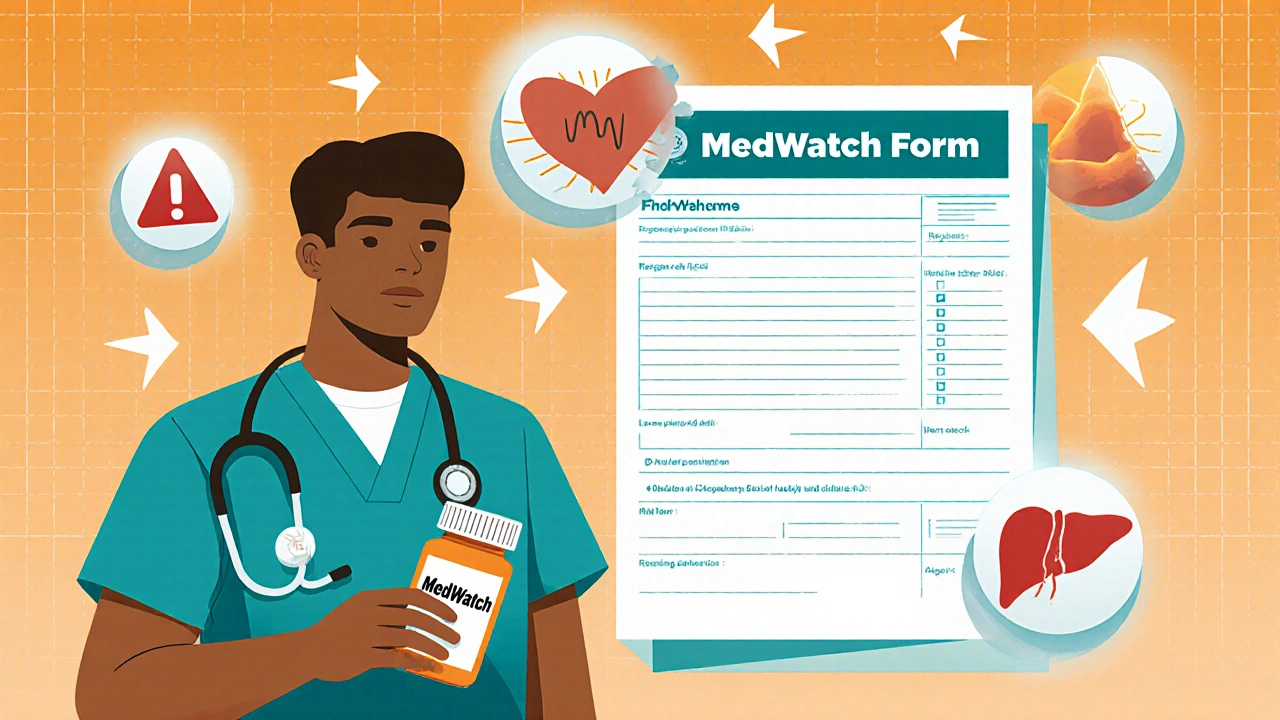
Learn how to properly report serious adverse events from generic drugs, why underreporting is a hidden danger, and what’s being done to fix the system. Your report could save lives.