
When it comes to mental health treatment, the use of medications to manage conditions like depression, bipolar disorder, and anxiety. Also known as psychiatric pharmacotherapy, it’s one of the most common ways people find relief—but it’s also one of the most misunderstood. Many assume that if a doctor prescribes an antidepressant, it’s safe to take with anything else. But that’s not true. Mixing common drugs like tricyclic antidepressants with over-the-counter antihistamines can lead to anticholinergic overload, a dangerous buildup of side effects that causes confusion, urinary problems, and even raises dementia risk, especially in older adults. This isn’t rare—it’s quietly happening in homes across the country.
And it’s not just about mixing pills. serotonin syndrome, a life-threatening reaction from too much serotonin in the brain, can sneak up when antidepressants are combined with supplements like quercetin or even certain painkillers. Symptoms like tremors, sweating, and muscle clonus don’t always look like an emergency—until they do. Meanwhile, drugs like tacrolimus, used after transplants, can cause tremors and confusion that mimic mental health flare-ups, making it hard to tell if the problem is the disease or the drug. Even something as simple as grapefruit juice can turn a safe dose of simvastatin into a threat for muscle breakdown. These aren’t edge cases. They’re real, documented risks that show how mental health treatment is deeply tied to the rest of your body’s chemistry.
What’s often missing in these conversations is the human side: how side effects make people stop taking meds, how insurance blocks cheap generics, and how hearing loss from ototoxic drugs can isolate someone who’s already struggling. Mental health treatment isn’t just a prescription. It’s a chain of decisions—between doctor and patient, between pill and diet, between safety and cost. Below, you’ll find real stories and hard facts about what’s working, what’s dangerous, and what no one tells you until it’s too late.
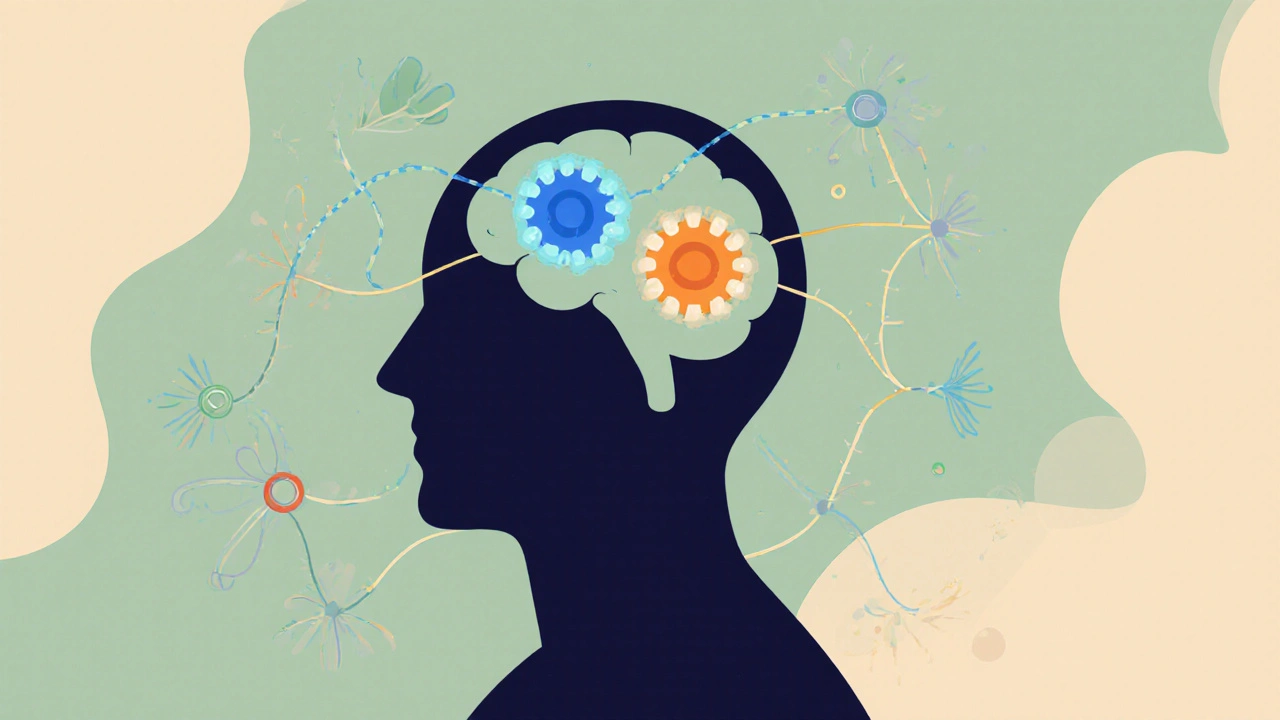
SNRI medications like venlafaxine and duloxetine offer a dual-action approach to treating depression, fatigue, and chronic pain. Learn how they work, who benefits most, and what to expect when starting treatment.