
When you hear lymphoma treatment, a range of medical approaches used to target cancer in the lymphatic system. Also known as lymphatic cancer therapy, it’s not one-size-fits-all—what works for one person may not work for another, and knowing why matters. Lymphoma isn’t a single disease. It’s a group of cancers that start in white blood cells called lymphocytes, and they split into two main types: Hodgkin lymphoma and non-Hodgkin lymphoma. Each has different behaviors, growth rates, and responses to treatment. The right plan depends on the subtype, stage, age, and overall health—not just a doctor’s gut feeling.
Most chemotherapy for lymphoma, drug combinations designed to kill fast-growing cancer cells. Also known as chemo regimens, it’s often the first line of defense. Common drugs like CHOP (cyclophosphamide, doxorubicin, vincristine, prednisone) or ABVD (doxorubicin, bleomycin, vinblastine, dacarbazine) are used based on the lymphoma type. But chemo isn’t the only tool. immunotherapy lymphoma, treatments that help your immune system recognize and attack cancer cells. Also known as biologic therapy, it’s changed the game for many patients. Drugs like rituximab or checkpoint inhibitors don’t poison the body—they teach your own defenses to fight back. And for localized cases, radiation therapy, targeted high-energy beams that destroy cancer cells in a specific area. Also known as radiotherapy, it’s still a powerful option, especially when the disease hasn’t spread far.
Side effects are real—fatigue, nausea, hair loss, increased infection risk—but they’re not the whole story. Some people stay on treatment for months. Others go into remission after just a few rounds. Newer options like CAR T-cell therapy are showing promise for relapsed cases, and clinical trials are expanding access. What’s important isn’t just the drugs, but how they’re timed, monitored, and combined with supportive care. Managing nutrition, avoiding infections during low white blood cell counts, and knowing when to call your doctor about fever or unexplained bruising can make a big difference.
There’s no magic pill, no miracle cure everyone agrees on. But there’s a clear path forward: accurate diagnosis, personalized treatment, and staying informed. The posts below give you real-world details on how lymphoma treatments interact with other meds, what side effects to watch for, how to handle fatigue, and what newer options are actually working in practice. You’ll find what works, what doesn’t, and what to ask your doctor next.
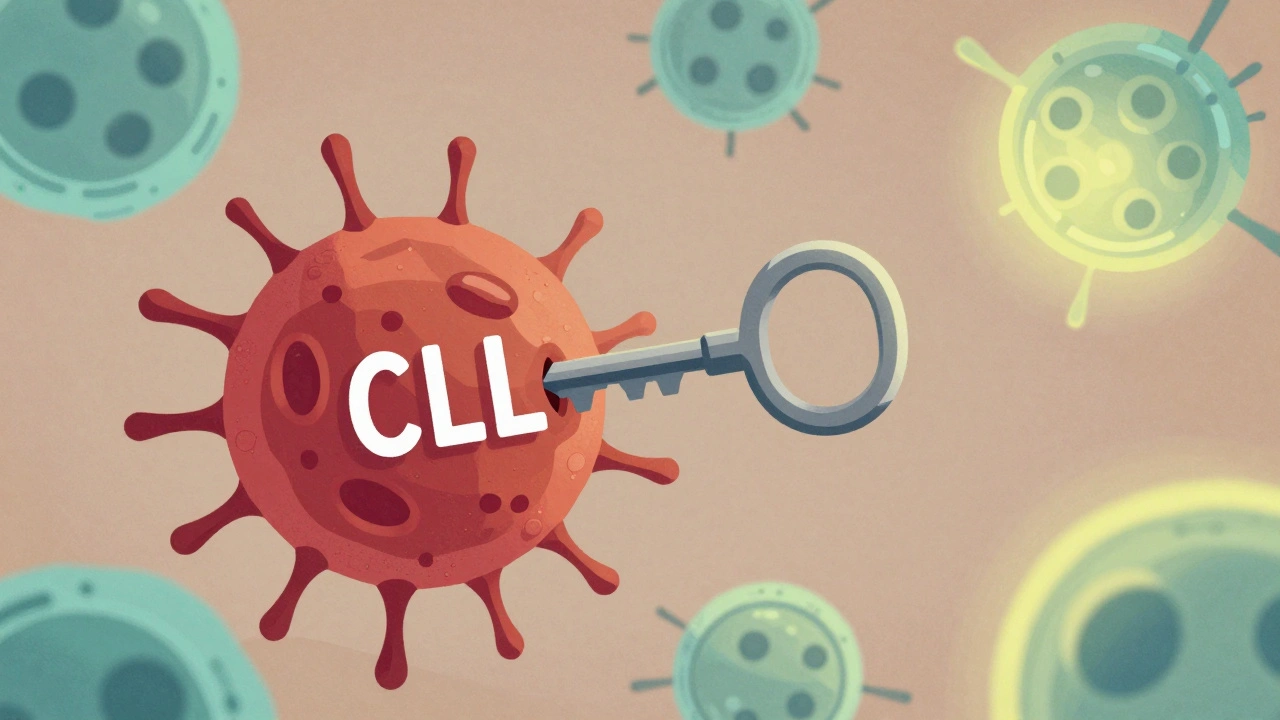
Targeted therapies and CAR T-cell treatments are transforming leukemia and lymphoma care, offering deeper remissions and fewer side effects than chemotherapy. Learn how these breakthroughs work, who benefits most, and what’s next.