
When someone is diagnosed with leukemia, a type of blood cancer that starts in the bone marrow and floods the bloodstream with abnormal white blood cells. It's not one disease—it's a group of conditions, each needing a different approach. Some forms grow slowly, others attack fast. That’s why treatment isn’t one-size-fits-all. What works for a 70-year-old with chronic lymphocytic leukemia might be too harsh for a child with acute lymphoblastic leukemia. The goal? Kill the cancer cells, spare healthy ones, and give you back your life.
Most chemotherapy, the use of strong drugs to destroy rapidly dividing cells is still the backbone of leukemia treatment. But now, it’s often combined with targeted therapy, drugs that lock onto specific proteins or genes driving the cancer. These newer drugs, like tyrosine kinase inhibitors, are less toxic than old-school chemo and can keep certain leukemias in check for years. Then there’s bone marrow transplant, a procedure that replaces damaged blood-forming cells with healthy ones from a donor. It’s risky, but for some, it’s the only shot at a cure. And while these treatments save lives, they also come with side effects—fatigue, infections, nausea—that can make daily life hard. That’s why knowing how to manage them matters as much as choosing the right drug.
You’ll also find that what you eat, what supplements you take, and even other medications can interfere with leukemia treatment. For example, some supplements like quercetin can mess with how your liver breaks down chemo drugs, raising the risk of toxicity. Other medications, like certain antibiotics or antifungals, can boost drug levels dangerously. Even grapefruit juice, which many think is healthy, can interfere with some targeted therapies. These aren’t just side notes—they’re critical parts of your treatment plan. That’s why the articles below cover real, practical issues: how to handle drug interactions, what to do when side effects hit hard, and how to avoid mistakes that could undo your progress.
There’s no magic bullet for leukemia, but there’s a lot you can do to make treatment safer and more effective. The posts here aren’t just about the science—they’re about the everyday choices that keep you alive and in control. Whether you’re a patient, a caregiver, or just trying to understand what’s going on, you’ll find clear, no-fluff advice on what works, what doesn’t, and what you need to ask your doctor next.
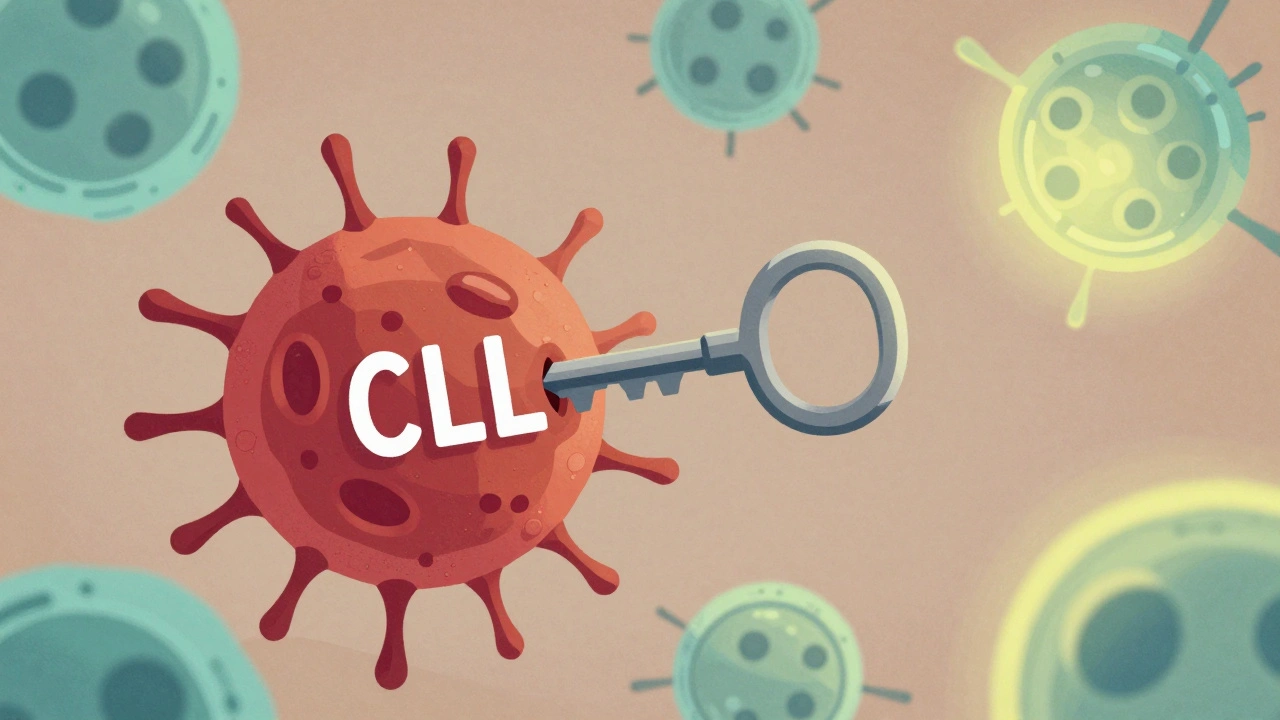
Targeted therapies and CAR T-cell treatments are transforming leukemia and lymphoma care, offering deeper remissions and fewer side effects than chemotherapy. Learn how these breakthroughs work, who benefits most, and what’s next.