
When your gut is constantly inflamed, it’s not just discomfort—it’s a signal that something deeper is wrong. Inflammatory bowel disease, a group of chronic conditions causing inflammation in the digestive tract, primarily including Crohn’s disease and ulcerative colitis. Also known as IBD, it’s not the same as irritable bowel syndrome. This is autoimmune, not functional—it’s your body attacking its own tissue. About 3 million people in the U.S. live with IBD, and many don’t realize how much it connects to other systems—like the skin, joints, and even liver.
Two main types drive most cases: Crohn’s disease, can affect any part of the GI tract from mouth to anus, often causing deep, patchy inflammation and complications like fistulas, and ulcerative colitis, limited to the colon and rectum, with continuous inflammation that leads to ulcers and bloody diarrhea. Both are lifelong. There’s no cure, but treatments aim to quiet the immune system’s overreaction. Medications like biologics, immunomodulators, and corticosteroids are common—but they come with trade-offs. Weight gain, moon face, and increased infection risk are real side effects, as seen in posts about prednisone and immunosuppressants. Some people also develop related issues like joint pain or eye inflammation, which means IBD isn’t just a gut problem.
What’s often overlooked is how diet and gut bacteria interact with IBD. While no single diet cures it, many find relief by avoiding trigger foods—dairy, processed sugars, or high-fiber items during flares. New research shows the gut lining doesn’t just react to food—it actively triggers immune responses, similar to what happens in celiac disease. That’s why some IBD patients also test for gluten sensitivity, even without celiac. And because IBD treatments can interfere with nutrient absorption, supplements like vitamin D, B12, and iron often become necessary. But here’s the catch: some supplements, like quercetin, can interfere with how your body processes these same medications. That’s why knowing what’s in your pill bottle—and what’s in your smoothie—is critical.
You’ll find posts here that connect directly to IBD: from how corticosteroids affect your body, to how anticholinergic drugs can worsen gut motility, to why proper medication adherence matters when side effects hit. Some articles talk about generic drugs and insurance barriers—because IBD meds are expensive, and getting them approved isn’t easy. Others cover how to recognize when a flare is turning dangerous, or how to avoid drug interactions that could make things worse. This isn’t just about symptoms. It’s about living with a condition that doesn’t take days off—and finding ways to stay in control, even when your body feels like it’s working against you.
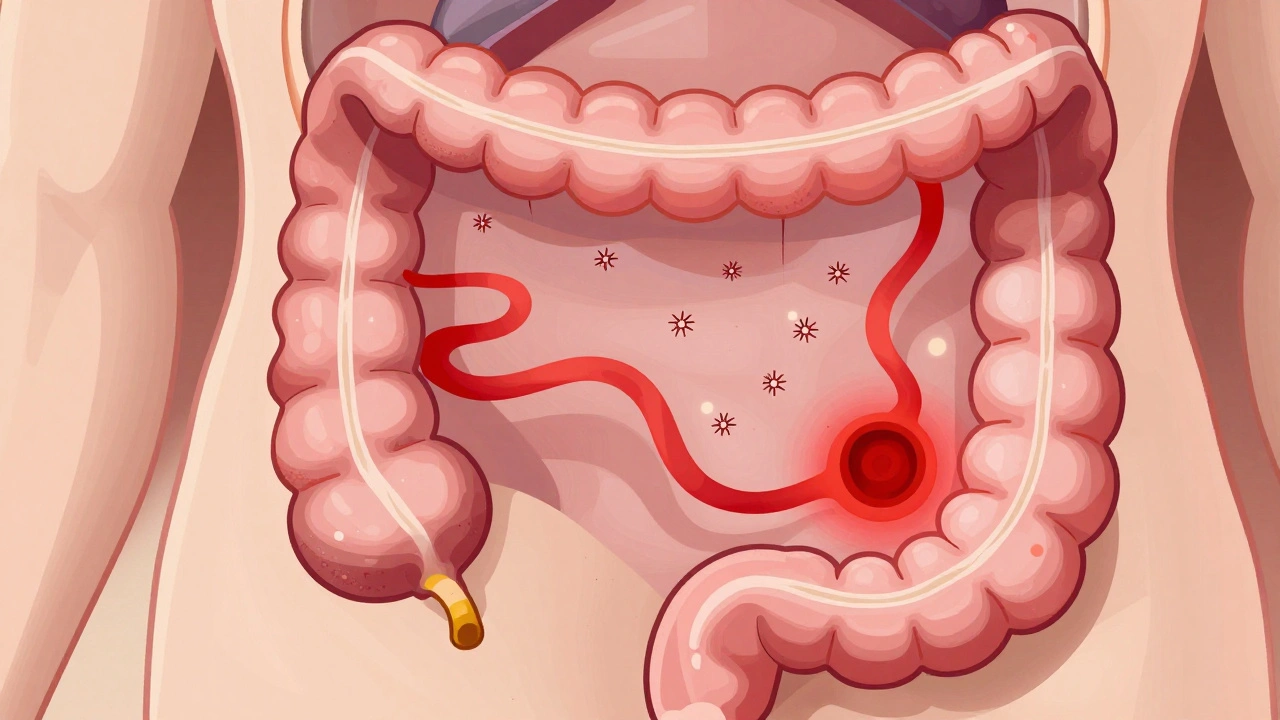
Ulcerative colitis is a chronic colon inflammation that causes bloody diarrhea, pain, and urgent bowel movements. Learn how to identify your type, manage flares, and achieve lasting remission with medication, diet, and monitoring.