
When someone talks about gastric bypass, a surgical procedure that reduces stomach size and reroutes the small intestine to limit food intake and nutrient absorption. Also known as Roux-en-Y gastric bypass, it's one of the most effective long-term solutions for severe obesity and related conditions like type 2 diabetes. This isn’t just about losing weight—it’s about resetting how your body handles hunger, insulin, and calories.
Gastric bypass is often chosen when diet and exercise alone haven’t worked, and health risks like high blood pressure, sleep apnea, or joint pain are worsening. It’s not a quick fix. The surgery shrinks your stomach to a small pouch, so you feel full faster, and reroutes food past part of the small intestine, cutting down how many calories and nutrients your body absorbs. That’s why people often lose 60-80% of their excess weight in the first year. But the real win? Many see their type 2 diabetes improve or disappear within weeks—even before major weight loss happens. That’s because the surgery changes gut hormones that control blood sugar, not just how much you eat.
But it’s not all simple. After surgery, you need to follow strict rules: eat small meals, chew slowly, avoid sugar and high-fat foods, and take lifelong vitamin supplements. Missing your B12, iron, or calcium can lead to serious problems like anemia or bone loss. You also need to stay active and keep up with follow-ups. Some people struggle with loose skin, nausea, or dumping syndrome—where food moves too fast into the intestines and causes sweating, cramps, or dizziness. These aren’t side effects you ignore. They’re signals you need to adjust your diet or talk to your doctor.
It’s also important to know who qualifies. Most candidates have a BMI over 40, or over 35 with serious health issues. Insurance often requires proof you’ve tried other methods first. And while the surgery is safe for most, it’s still major surgery—with risks like infection, leaks, or blood clots. That’s why it’s not for everyone. But for those who need it, it can mean the difference between living with illness and living well.
Below, you’ll find real stories and practical guides from people who’ve been through it. Some talk about managing nutrition after surgery. Others share how they handled medication changes, dealt with side effects, or adjusted to new eating habits. You’ll see how gastric bypass connects to broader health topics like drug interactions, metabolic health, and long-term adherence. This isn’t just about the procedure—it’s about what comes after.
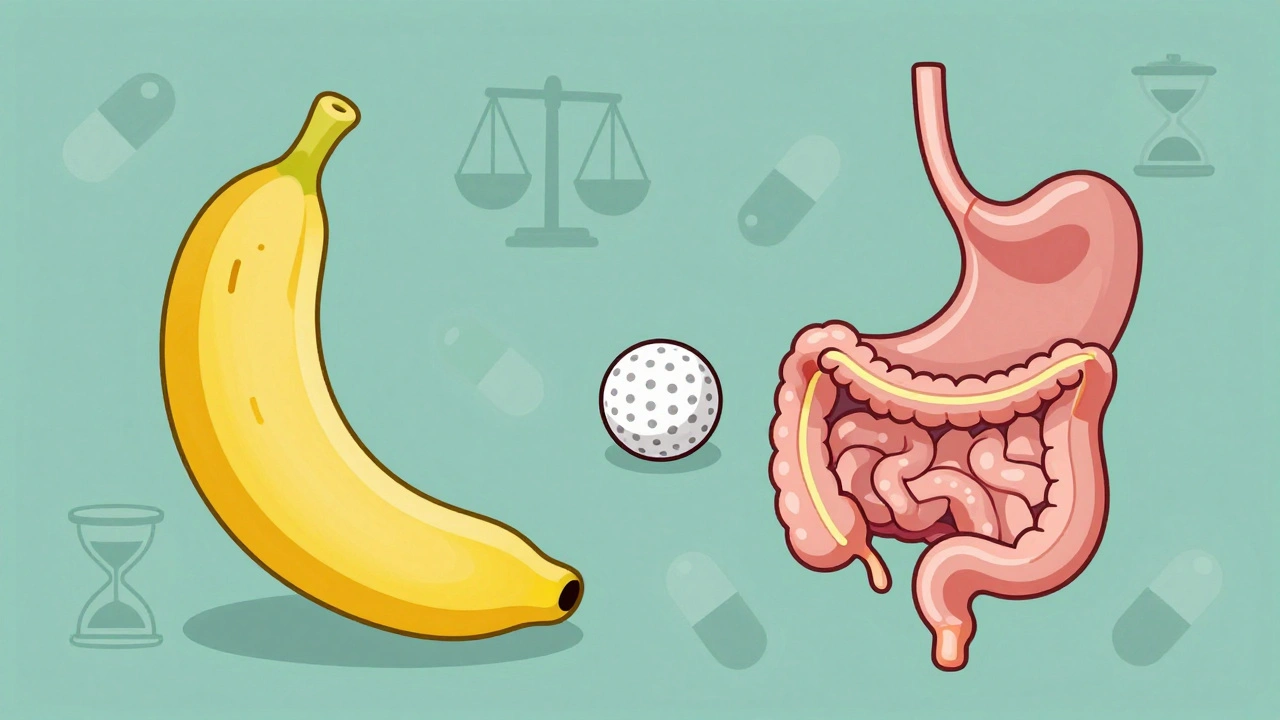
Gastric bypass and sleeve gastrectomy are the two most common weight loss surgeries. Learn how they differ in weight loss results, risks, recovery, and long-term health impacts - with real data from 2024 studies.