
When your body’s own immune system can’t stop cancer, CAR T-cell therapy, a type of personalized immunotherapy that engineers a patient’s T-cells to target cancer. Also known as chimeric antigen receptor T-cell therapy, it’s not a drug you take—it’s a living treatment made from your own cells. This isn’t science fiction. It’s FDA-approved for certain types of leukemia, lymphoma, and multiple myeloma, and it’s changing survival rates for people who ran out of other options.
CAR T-cell therapy works by pulling out your T-cells—your body’s natural assassins—then giving them a new targeting system in the lab. Think of it like giving your immune cells a GPS that locks onto cancer. Once they’re multiplied and reinfused, they hunt down and destroy tumor cells. It’s not perfect. Side effects like cytokine release syndrome can cause high fevers, low blood pressure, and confusion. Neurological issues, including trouble speaking or seizures, happen too. But for many, it’s the only shot at long-term remission.
This treatment isn’t for everyone. It’s mostly used when other treatments like chemotherapy or radiation have failed. It’s also expensive, complex, and requires specialized centers. That’s why you’ll find most of the real-world stories in posts about blood cancer, cancers like B-cell lymphoma and acute lymphoblastic leukemia that respond best to CAR T-cells, or immunotherapy, a broader category of cancer treatments that boost the immune system. You’ll also see how it connects to other topics: drug interactions, side effect management, and the challenges of accessing cutting-edge care. These aren’t just medical facts—they’re life-changing decisions.
Below, you’ll find real patient experiences and expert breakdowns on how CAR T-cell therapy fits into the bigger picture of cancer treatment. Some posts talk about how it compares to other immunotherapies. Others explain why certain patients respond better than others. A few even cover what happens after treatment—how to monitor for relapse, manage long-term side effects, and live with a reprogrammed immune system. This isn’t a list of generic articles. It’s a practical guide for people who need to know what this treatment really means.
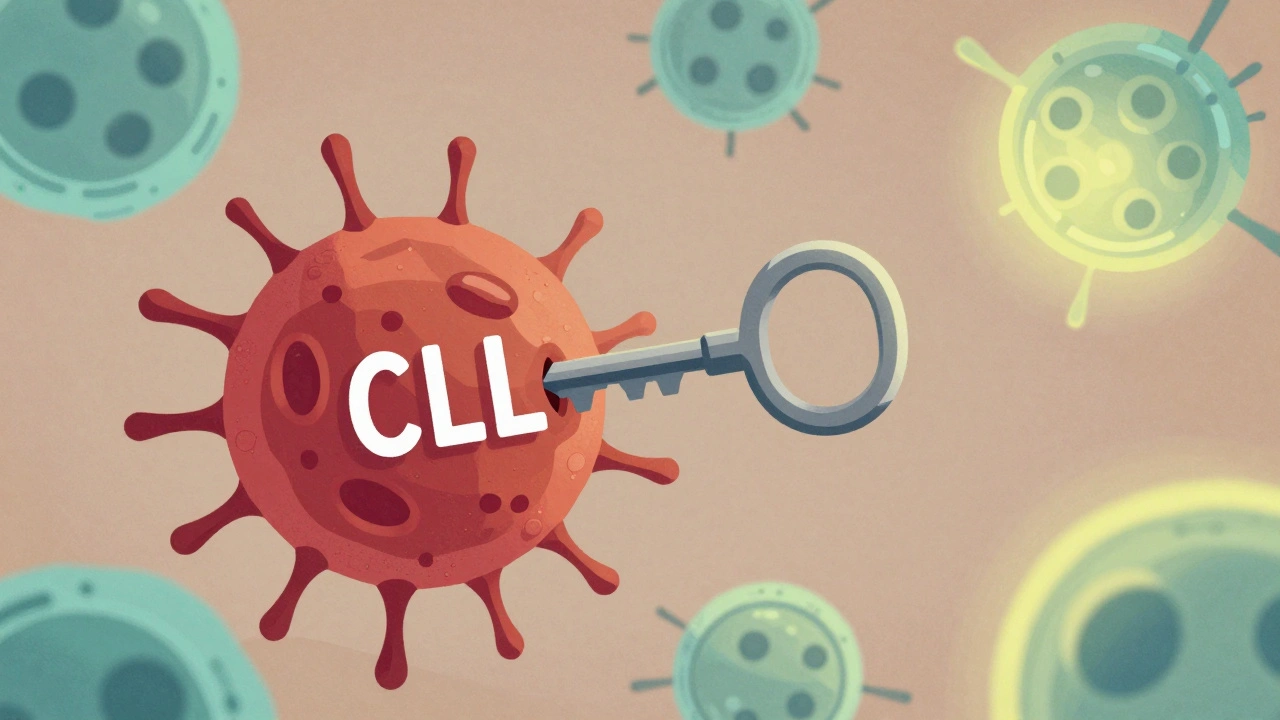
Targeted therapies and CAR T-cell treatments are transforming leukemia and lymphoma care, offering deeper remissions and fewer side effects than chemotherapy. Learn how these breakthroughs work, who benefits most, and what’s next.