
When bariatric surgery, a set of medical procedures designed to help people with severe obesity lose weight by changing how the stomach and intestines work. Also known as weight loss surgery, it’s not a quick fix—it’s a tool that works best when paired with lifelong lifestyle changes. Millions of people with obesity turn to it when diet and exercise alone haven’t worked, and when health problems like type 2 diabetes, high blood pressure, or sleep apnea are getting worse.
Bariatric surgery isn’t one thing—it includes several types, each with different effects. Gastric bypass, a procedure that shrinks the stomach and reroutes part of the small intestine cuts down how much you can eat and how many calories your body absorbs. Sleeve gastrectomy, where a large part of the stomach is removed to create a smaller tube-shaped pouch reduces hunger hormones and limits food intake. Then there’s the gastric band, which is adjustable but less common now. These aren’t cosmetic fixes—they’re metabolic interventions that can reverse diabetes, lower blood pressure, and reduce the risk of heart disease.
Who qualifies? Usually, adults with a BMI over 40, or over 35 with serious health issues tied to weight. But it’s not just about the number on the scale. Doctors look at how long you’ve struggled, what you’ve tried, and whether you’re ready to stick with follow-up care, including vitamins, protein intake, and regular checkups. It’s not for everyone, but for those who need it, it can be life-changing.
Recovery isn’t easy. You’ll need to eat smaller meals, chew slowly, and avoid sugary or high-fat foods that can cause dumping syndrome—nausea, cramps, and dizziness after eating. Many people report huge improvements in energy, mood, and mobility, but some struggle with loose skin, nutrient deficiencies, or emotional changes. That’s why support groups, nutritionists, and mental health counseling are part of the process—not optional extras.
Behind every success story is a patient who learned how to manage their new body. Some need to take lifelong vitamin supplements. Others find their joint pain disappears. A few discover they can stop taking insulin. But none of this happens without commitment. The surgery changes your stomach, but your habits decide the outcome.
What you’ll find below are real, practical guides on how bariatric surgery connects to other health issues—like how medications interact with your new digestive system, how steroids affect weight after surgery, and why some people still struggle with cravings even after losing weight. These aren’t just medical facts—they’re lessons from people who’ve been through it. Whether you’re considering surgery, just had it, or are helping someone who did, this collection gives you what you need to navigate the journey without guesswork.
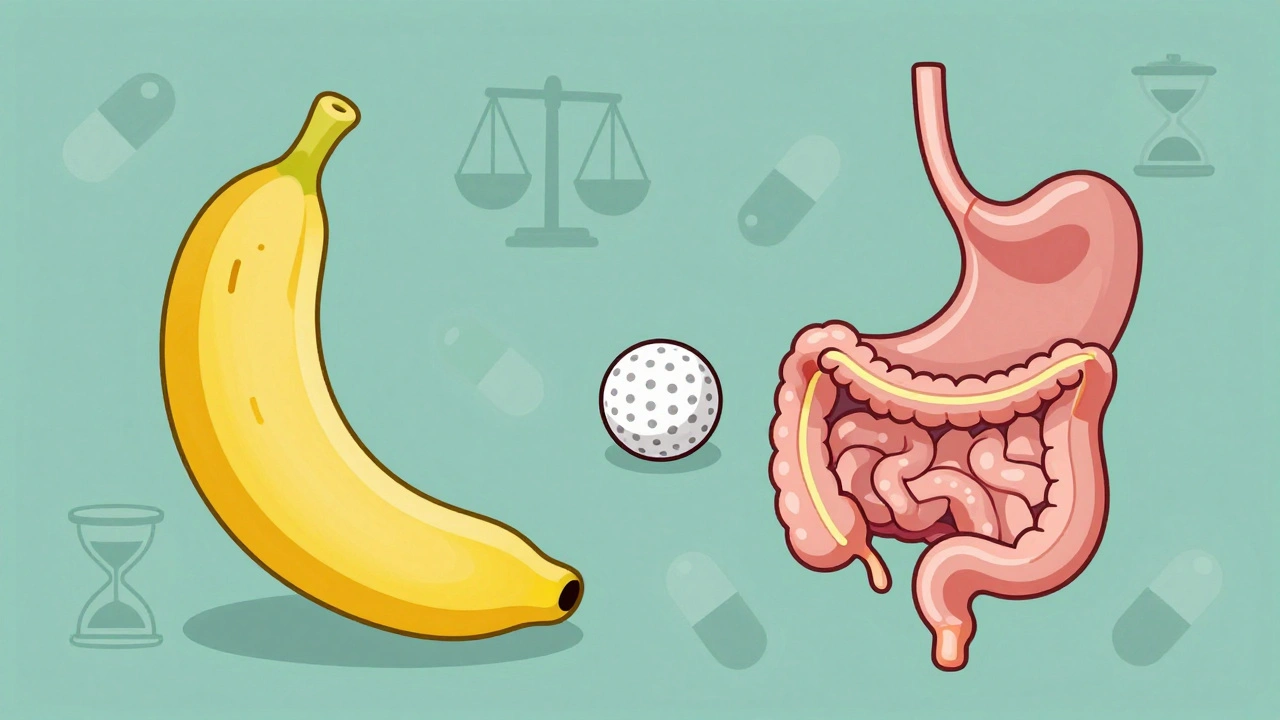
Gastric bypass and sleeve gastrectomy are the two most common weight loss surgeries. Learn how they differ in weight loss results, risks, recovery, and long-term health impacts - with real data from 2024 studies.