
When someone takes too much of an antidepressant overdose, a dangerous accumulation of psychiatric medication that can disrupt brain chemistry and vital body functions. Also known as antidepressant toxicity, it’s not just about taking an extra pill—it’s often about mixing drugs, misunderstanding doses, or ignoring how other meds interact. This isn’t rare. In fact, tricyclic antidepressants like amitriptyline are among the most common culprits in fatal overdoses because they affect multiple systems at once—heart, nerves, and brain.
One of the biggest hidden dangers is anticholinergic overload, a condition caused when drugs block acetylcholine, a key brain chemical. This happens when you combine tricyclic antidepressants with common antihistamines like Benadryl. The result? Confusion, dry mouth, trouble urinating, rapid heartbeat, and sometimes delirium—especially in older adults. It’s often mistaken for dementia or a stroke. Even more dangerous, people don’t realize they’re stacking these effects until it’s too late. SNRI medications like venlafaxine and duloxetine, while generally safer in overdose, still carry risks of serotonin syndrome when mixed with other antidepressants, supplements like quercetin, or even certain painkillers. These interactions don’t always show up on standard drug screens, which is why many cases go undetected until symptoms become severe.
What makes antidepressant overdose so tricky is that the symptoms don’t always appear right away. Someone might take a slightly high dose over days and think they’re just feeling "off." But by the time their heart rate spikes or they start hallucinating, it’s an emergency. The body doesn’t handle these drugs like it does aspirin or ibuprofen. Even small excesses can throw off your electrolytes, slow your breathing, or trigger seizures. And if you’re on multiple meds—say, a blood thinner, a statin, or a transplant drug like tacrolimus—the risk multiplies. You don’t need to take a whole bottle to be in danger. Sometimes, just one extra pill combined with grapefruit juice or an OTC sleep aid is enough.
This collection of articles doesn’t just list what can go wrong—it shows you how to spot the warning signs, understand why certain combinations are deadly, and know when to act fast. You’ll find real-world examples of how people accidentally crossed the line into overdose, what doctors look for in the ER, and how to talk to your pharmacist about hidden risks. Whether you’re managing your own meds, caring for an older relative, or just trying to avoid dangerous mix-ups, this isn’t theoretical. It’s practical, urgent, and life-saving information you won’t find in most drug leaflets.
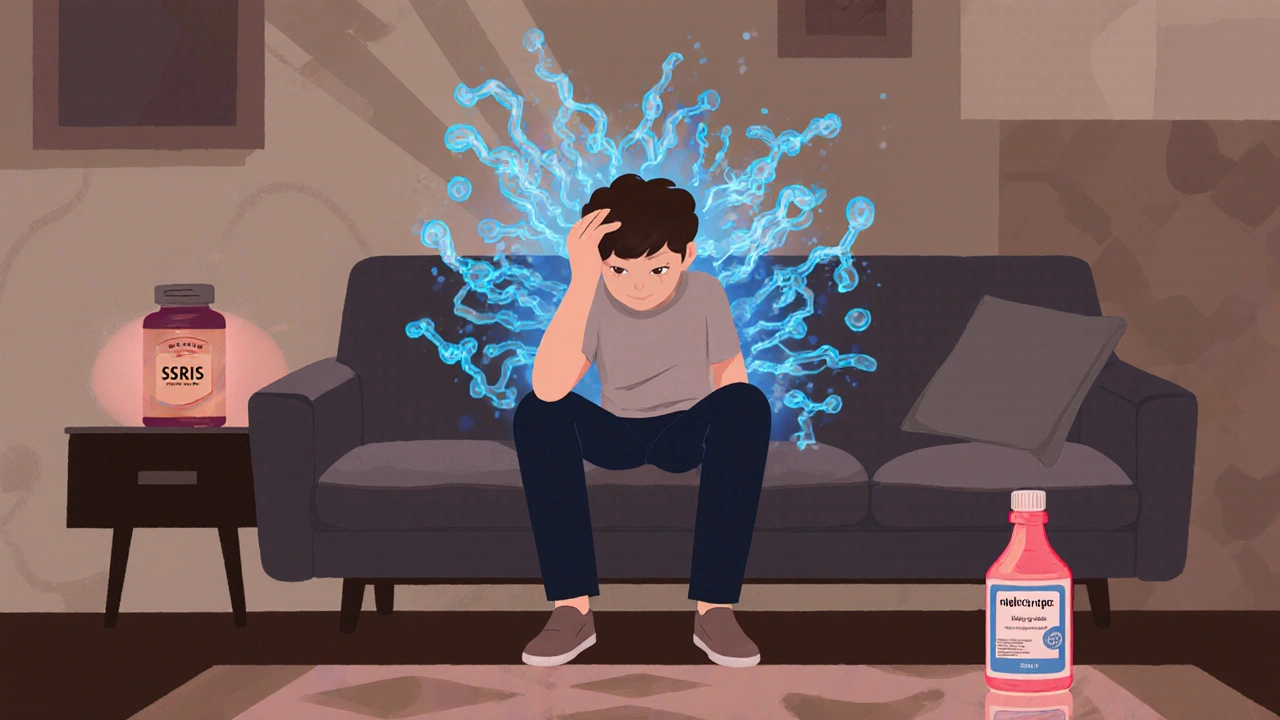
Serotonin syndrome is a life-threatening reaction to too much serotonin, often caused by antidepressant interactions. Learn the early warning signs-tremors, sweating, clonus-and how to act fast before it turns deadly.