
When a person takes an anticoagulant, a medication designed to prevent dangerous blood clots by thinning the blood. Also known as blood thinner, it’s essential for people with atrial fibrillation, deep vein thrombosis, or after heart valve surgery. But if something goes wrong—like a fall, an interaction, or a missed dose—it can turn into a life-threatening anticoagulant emergency.
An anticoagulant emergency isn’t just about bleeding. It’s about timing, knowing what drug was taken, and having the right reversal tool ready. For warfarin, vitamin K and fresh frozen plasma can help. For newer drugs like apixaban or rivaroxaban, specific reversal agents like andexanet alfa or idarucizumab exist—but only if hospitals have them on hand. Not every ER does. That’s why knowing your medication, carrying a card, and telling every doctor you see about your anticoagulant use isn’t optional—it’s survival.
Many people don’t realize that even minor injuries can become serious under anticoagulants. A bump on the head might seem harmless, but in someone on dabigatran, it could lead to a brain bleed. A cut that won’t stop bleeding? That’s not normal—it’s a red flag. And it’s not just trauma. Some drugs, like NSAIDs or certain antibiotics, can spike bleeding risk when mixed with anticoagulants. Even herbal supplements like garlic, ginkgo, or fish oil can make things worse. You don’t need to stop them all—but you do need to talk to your pharmacist before adding anything new.
There’s also a hidden problem: people forget their meds. One missed dose might not matter. But doubling up to "catch up"? That’s how overdoses happen. And when an overdose leads to internal bleeding, every minute counts. That’s why the most important thing you can do isn’t memorizing side effects—it’s having a plan. Know your drug’s half-life. Know the emergency number for your pharmacy. Keep a list of all your meds in your wallet. And if you’re over 65, live alone, or have kidney issues? You’re at higher risk. Make sure someone knows what you’re taking and what to do if you collapse.
The posts below aren’t just about drugs. They’re about real people who faced bleeding risks, drug interactions, and the confusion that comes with managing anticoagulants. You’ll find guides on how to recognize when a side effect turns dangerous, what to do if you’re on multiple blood thinners, and how to avoid common mistakes that lead to hospital visits. Some posts talk about reversal agents. Others explain why a simple fall can be deadly. There’s even a piece on how insurance delays can leave you without your emergency antidote. This isn’t theory. It’s what happens when life hits fast—and you’re not ready.
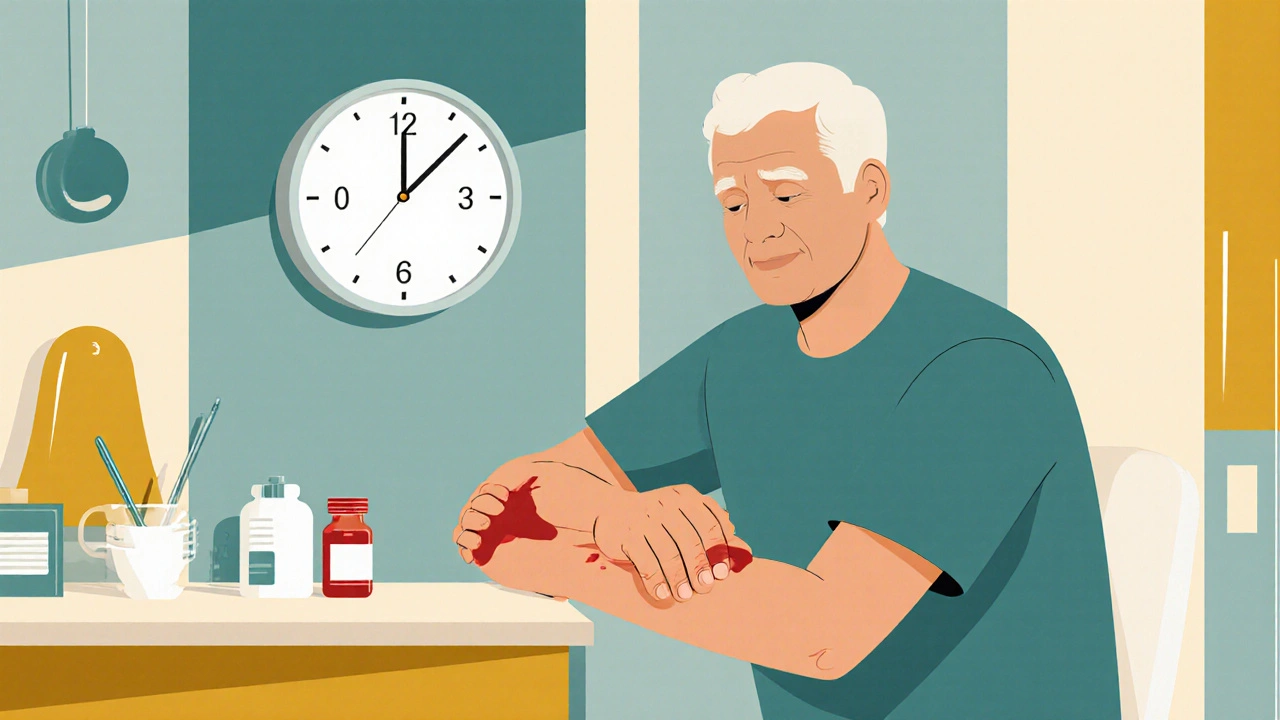
Knowing when bleeding from blood thinners is an emergency can save your life. Learn the warning signs, what to do at home, why stopping your meds is dangerous, and how new treatments are changing outcomes.