
When your immune system turns on your own blood vessels, it can lead to something called ANCA-associated vasculitis, a group of autoimmune disorders where antineutrophil cytoplasmic antibodies attack small blood vessels, causing inflammation and tissue damage. Also known as anti-neutrophil cytoplasmic antibody-associated vasculitis, this condition doesn’t just cause fatigue—it can damage your kidneys, lungs, nerves, and skin if left unchecked.
ANCA-associated vasculitis includes three main types: granulomatosis with polyangiitis (GPA), microscopic polyangiitis (MPA), and eosinophilic granulomatosis with polyangiitis (EGPA). Each has different triggers and symptoms, but they all share one thing—they’re driven by abnormal antibodies that target white blood cells, which then go on to inflame vessel walls. This isn’t just a rare disease; it’s one that often gets missed because its early signs—like sinus infections, cough, joint pain, or numbness in hands and feet—look like common colds or aging. But when it hits the kidneys, it can cause rapid kidney failure. When it hits the lungs, it can lead to bleeding. And because it’s an autoimmune condition, it doesn’t respond to antibiotics or allergy meds. It needs targeted immunosuppressants.
Managing this condition means balancing two goals: stopping the immune system’s attack without leaving you defenseless against infections. Drugs like cyclophosphamide and rituximab are often used to bring the disease into remission, while steroids like prednisone help control inflammation. But long-term steroid use brings its own problems—weight gain, bone loss, moon face—which is why many patients end up looking for ways to reduce doses safely. That’s where newer treatments and careful monitoring come in. Blood tests for ANCA levels, kidney function checks, and lung imaging are all part of tracking progress. And while there’s no cure yet, many people live full lives once the disease is under control.
You’ll find posts here that dig into how these drugs work, what side effects to watch for, and how to tell if your treatment is actually working. Some cover how steroid side effects like fluid retention and muscle weakness show up in daily life. Others explain how to spot early signs of nerve damage or kidney trouble before it’s too late. There’s also advice on how to talk to your doctor about tapering meds, what to do if symptoms come back, and why some people respond better to certain drugs than others. This isn’t theoretical—it’s real-world guidance from people who’ve lived through it, and the doctors who treat them.
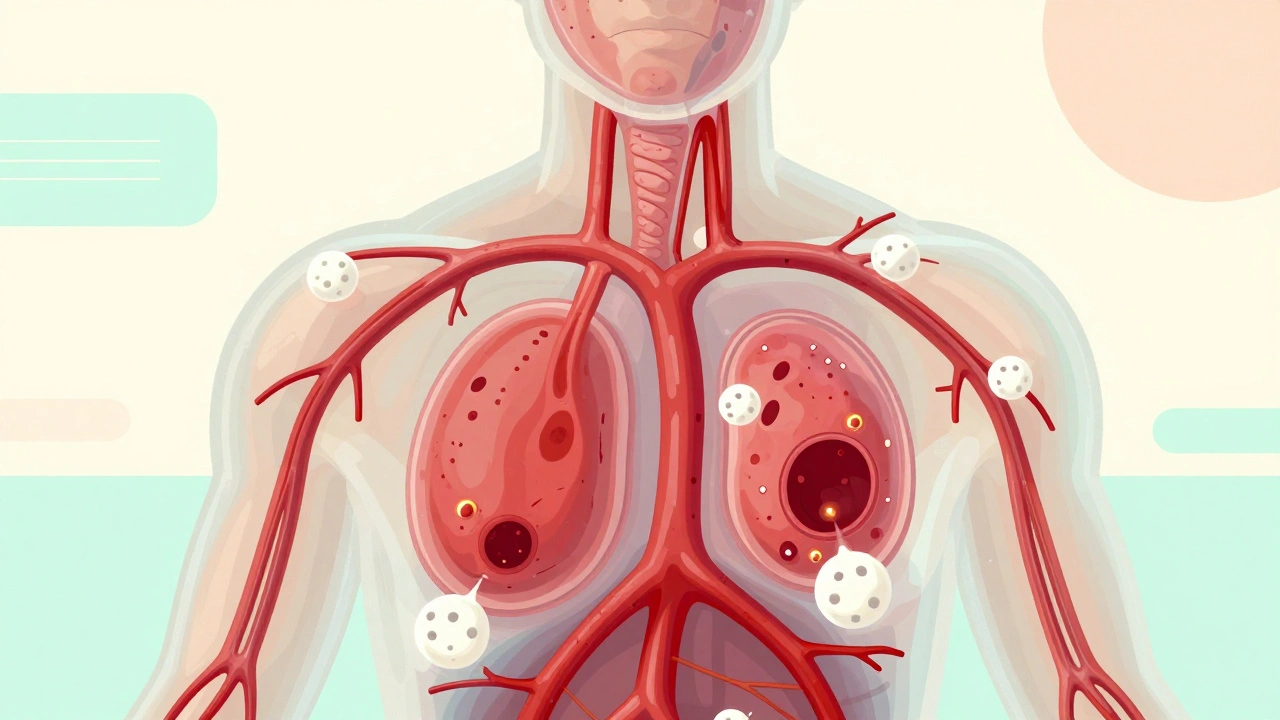
Vasculitis is an autoimmune condition where the immune system attacks blood vessels, causing inflammation and reduced blood flow. Learn the types, symptoms, diagnostic tests, and modern treatments-including steroid-sparing drugs like avacopan-that can prevent organ damage.