
When a medication causes harm instead of helping, adverse event reporting, the system used to collect and analyze harmful reactions to drugs. Also known as pharmacovigilance, it’s the backbone of drug safety—keeping dangerous side effects from going unnoticed until it’s too late. Every time someone has a bad reaction to a pill, patch, or injection, that story matters. Whether it’s a tremor from tacrolimus, hearing loss from cisplatin, or muscle breakdown from simvastatin with grapefruit juice, these aren’t just individual problems—they’re signals. Without people speaking up and doctors reporting them, we’d never know which drugs are truly safe.
Adverse event reporting isn’t just for doctors. Patients play a huge role. If you’ve ever stopped taking a medicine because of dizziness, nausea, or anxiety, that’s an adverse event. And if you tell your pharmacist or doctor about it, that’s the first step in a chain that could prevent others from getting hurt. The FDA black box warnings, the strongest safety alerts the FDA can issue. Also known as boxed warnings, they’re added after enough adverse events are reported and confirmed. That’s how we got warnings for drugs like lisinopril in pregnancy or simvastatin at high doses. These aren’t random rules—they’re born from real people’s experiences.
It’s not just about big, scary reactions. Sometimes it’s the quiet ones: confusion from mixing amitriptyline and Benadryl, or gout flares from hydrochlorothiazide. These are harder to spot, but they add up. That’s why medication safety, the ongoing practice of preventing harm from drugs. Also known as drug safety, it relies on clear reporting. When people report side effects, it helps update labels, warn others, and even pull dangerous combinations off the market. You don’t need to be a scientist to help. Just pay attention to how your body reacts, write it down, and speak up.
What you’ll find below are real stories—about drugs that caused hearing loss, triggered seizures, messed with mental health, or nearly killed people because no one noticed the pattern early enough. These aren’t hypotheticals. They’re cases that led to changes in how we use medicine. Some of these posts show you how to spot trouble before it’s too late. Others explain why your insurance blocks a cheap generic, or why your doctor asked about your supplements before prescribing a new pill. This isn’t just about knowing the risks—it’s about knowing how to protect yourself, your family, and others by making sure these reports actually lead to action.
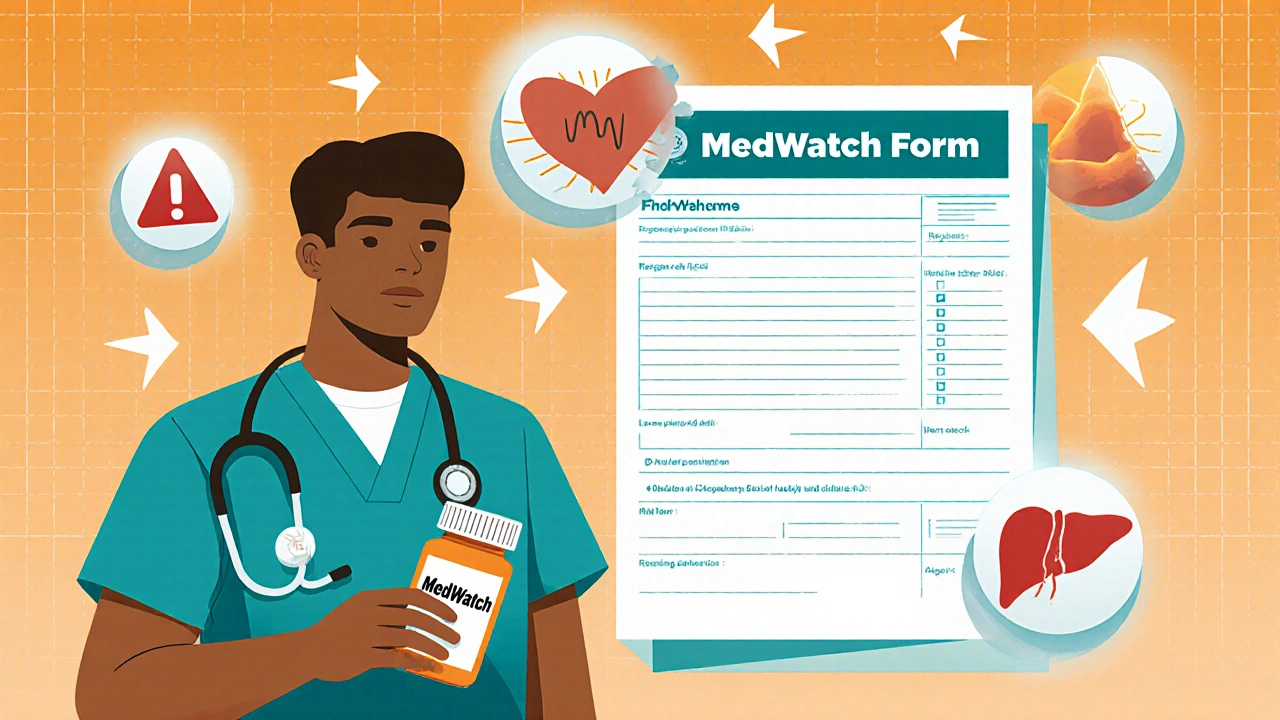
Learn how to properly report serious adverse events from generic drugs, why underreporting is a hidden danger, and what’s being done to fix the system. Your report could save lives.