
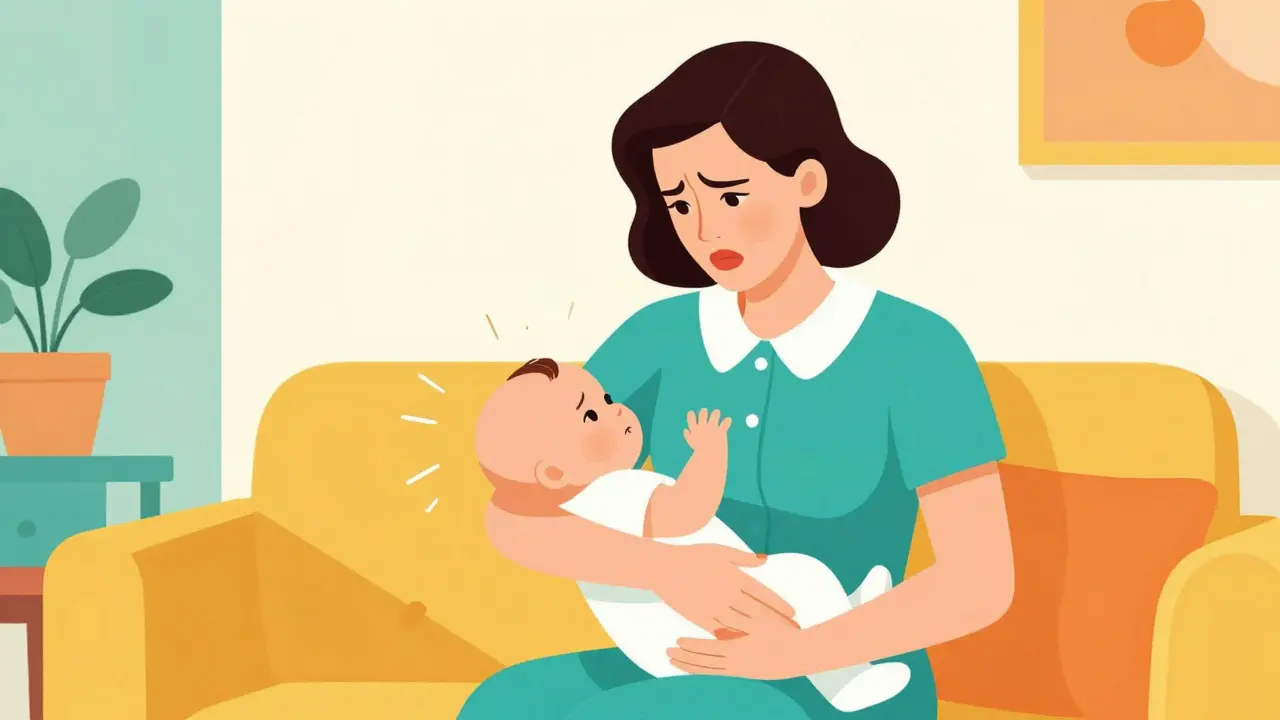
Imagine spending your first few months as a mother feeling like your heart is racing and you can't stop shaking, only to transition into a state of crushing fatigue and "brain fog" by six months in. Many women are told this is just the "joys of new motherhood" or a sign of postpartum depression. However, for about 5% to 10% of women, it is actually Postpartum Thyroiditis is an autoimmune inflammatory condition where the immune system attacks the thyroid gland following childbirth, miscarriage, or abortion.
The real danger isn't just the thyroid dysfunction itself, but the frequency of misdiagnosis. Because the symptoms mirror the emotional and physical exhaustion of early parenting, many women suffer for months before finding the cause. Understanding that this is often a two-phase process-starting with too much hormone and ending with too little-is the key to getting the right help and avoiding unnecessary psychiatric medications.
Key Takeaways for New Mothers
- It typically follows a biphasic pattern: an initial hyperthyroid phase followed by a hypothyroid phase.
- The condition is autoimmune and strongly linked to TPO antibodies.
- Most women (70-80%) recover fully within 18 months, but some develop permanent hypothyroidism.
- Physical symptoms like heart racing or extreme cold intolerance often distinguish it from standard postpartum depression.
The Two Faces of Postpartum Thyroid Dysfunction
Postpartum thyroiditis doesn't usually hit all at once. Instead, it behaves like a wave. For most, the process starts with the thyroid gland "leaking" stored hormones into the bloodstream because the gland is inflamed. This creates a state of temporary hyperthyroidism.
Between one and four months after delivery, you might notice your heart beating faster than normal (tachycardia) or feel an unbearable sensitivity to heat. Some women lose a few pounds unexpectedly or struggle with insomnia and tremors. Because these feelings often overlap with the anxiety of a new baby, they are frequently ignored. In fact, up to 50% of women in this phase have such mild symptoms that they don't even realize anything is wrong until the next phase hits.
As the leaked hormones are depleted, the gland may struggle to produce new ones, leading to the hypothyroid phase. This usually peaks around six months postpartum. This is where the "crash" happens. You might experience profound fatigue that sleep doesn't fix, a feeling of being cold even in a warm room, dry skin, and thinning hair. The "brain fog" is particularly disruptive, affecting a woman's ability to focus or make quick decisions during a time when mental clarity is already stretched thin.
| Feature | Hyperthyroid Phase (1-4 Months) | Hypothyroid Phase (4-12 Months) |
|---|---|---|
| Energy Levels | Anxious, jittery, insomnia | Extreme fatigue, lethargy |
| Temperature | Heat intolerance, sweating | Cold intolerance, chills |
| Weight Change | Unintentional weight loss | Weight gain, fluid retention |
| Heart Rate | Tachycardia (>100 bpm) | Slower heart rate, sluggishness |
| Skin & Hair | Warm, moist skin | Dry skin, brittle hair/nails |

How to Spot the Difference: Thyroiditis vs. Depression
This is the most critical part of the journey. Postpartum depression and postpartum thyroiditis are often mistaken for one another because both cause mood swings, fatigue, and sleep disturbances. However, the markers are different. While depression is primarily a mood disorder, thyroiditis presents with distinct physical "red flags."
If you are experiencing a racing heart, sudden weight shifts, or a physical inability to tolerate cold or heat, it is more likely to be an endocrine issue. According to data from the Cleveland Clinic, roughly 40% of women misdiagnosed with depression are actually dealing with thyroid issues and are prescribed antidepressants they don't need. If you feel "wired but tired" or physically ill rather than just emotionally overwhelmed, it's time to ask for a blood test.
Getting a Diagnosis and the Role of TPO Antibodies
To confirm postpartum thyroiditis, doctors look at three main markers. First is TSH (Thyroid Stimulating Hormone). In the hyper phase, TSH is usually suppressed (below 0.4 mIU/L). In the hypo phase, TSH rises (above 4.5 mIU/L). Second, they check Free T4 to see the actual amount of hormone circulating in your blood.
The "smoking gun" for this specific condition, however, is the presence of Thyroid Peroxidase antibodies (TPOAb). Since this is an autoimmune condition, your body produces these antibodies that attack the thyroid. They are found in 80% to 90% of affected women. If you have a history of Type 1 Diabetes or other autoimmune disorders, you are at a much higher risk-some studies show up to 30% of women with Type 1 Diabetes develop this condition.

Managing Treatment and Long-Term Outlook
The good news is that for the vast majority of women, this is a temporary glitch. About 70-80% of women will see their thyroid function return to normal within 12 to 18 months without any long-term medication. This means the goal of treatment is often just "symptom management" rather than a permanent cure.
During the hyperthyroid phase, doctors might suggest beta-blockers to slow the heart rate and stop the tremors. They generally avoid strong anti-thyroid drugs because the phase is short-lived and will resolve on its own. During the hypothyroid phase, if the fatigue is severe or affecting breastfeeding, a doctor may prescribe Levothyroxine, which is a synthetic version of the T4 hormone. The key is to monitor TSH levels every few months to see if the medication is still needed or if the thyroid has recovered.
However, a small group of women-about 20% to 30%-do not recover. In these cases, the inflammation causes enough permanent damage that the thyroid can no longer produce sufficient hormones. For these women, hormone replacement becomes a lifelong necessity. This is why regular check-ups through the first year after pregnancy are so important.
Practical Steps for Recovery
- Track Your Symptoms: Keep a simple log of physical changes. Note if you feel suddenly hot or cold, or if your heart is racing during rest.
- Advocate for Testing: If you feel "off" and your doctor dismisses it as "new mom stress," specifically ask for a TSH and Free T4 test.
- Check Your History: If you have family autoimmune issues or Type 1 Diabetes, mention this to your provider, as it increases the likelihood of thyroiditis.
- Monitor Breastfeeding: If you notice a sudden drop in milk supply during the second half of your first year postpartum, have your thyroid checked.
Is postpartum thyroiditis the same as Hashimoto's?
Under a microscope, they look almost identical because both involve the immune system attacking the thyroid. The main difference is the timing and the outcome. Hashimoto's is typically a lifelong, progressive condition, whereas postpartum thyroiditis is triggered by the immune system's shift after pregnancy and often resolves on its own within 18 months.
Can I breastfeed while taking thyroid medication?
Yes. Levothyroxine, the standard treatment for the hypothyroid phase, is considered safe during breastfeeding. In fact, treating untreated hypothyroidism can actually help improve milk supply and the mother's energy levels, which are essential for successful breastfeeding.
How long does the "brain fog" last?
The cognitive impairment usually happens during the hypothyroid phase, which can last from 4 to 12 months postpartum. Once thyroid hormone levels are stabilized-either naturally or through medication-the brain fog typically clears up quite rapidly.
Do I need to be screened if I feel fine?
Most medical guidelines, including those from ACOG, do not recommend universal screening for all women. However, if you have a personal or family history of autoimmune disease or Type 1 Diabetes, testing for TPO antibodies can help predict the condition before severe symptoms start.
What is the difference between this and Graves' disease?
While both cause hyperthyroidism, Graves' disease usually involves an enlarged thyroid (goiter) and sometimes bulging eyes (ophthalmopathy). Postpartum thyroiditis is an inflammatory "leak" of hormones, meaning it doesn't overproduce hormone in the same way Graves' does, and it's usually followed by a crash into hypothyroidism.


Write a comment