

Every year, millions of people take medications that can silently damage their hearing. Many never know it’s happening until the damage is done - and it’s permanent. Ototoxic medications don’t just cause dizziness or ringing in the ears. They can destroy the delicate hair cells in your inner ear, leading to hearing loss that doesn’t come back. This isn’t rare. It’s common. And it’s often preventable.
What Exactly Are Ototoxic Medications?
Ototoxicity means a drug is toxic to your inner ear. It doesn’t just affect hearing - it can also wreck your balance system. The damage happens when certain drugs attack the sensory hair cells in the cochlea and vestibular organs. These cells don’t regenerate. Once they’re gone, the hearing loss is permanent.There are about 600 prescription medications known to be ototoxic, according to the American Speech-Language-Hearing Association. The most dangerous ones fall into a few key groups:
- Aminoglycoside antibiotics - like gentamicin, tobramycin, and amikacin. Used for serious infections like drug-resistant TB or sepsis. Between 20% and 63% of patients on long-term treatment lose some hearing.
- Platinum-based chemotherapy - especially cisplatin. Used for cancers like testicular, ovarian, and lung cancer. Between 30% and 60% of patients develop hearing loss. For kids, it can delay speech and language development.
- Loop diuretics - like furosemide (Lasix). Often used for heart failure or kidney issues. Hearing loss is less common but still possible, especially with high doses or kidney problems.
- Some antidepressants - tricyclics like amitriptyline and SSRIs like sertraline and fluoxetine. These are less predictable, but patients report tinnitus and hearing changes, especially when starting or changing doses.
It’s not just about the drug. It’s about how much you take, how long you take it, and your body’s ability to handle it. Cisplatin, for example, sticks around in your inner ear for months after treatment ends, slowly causing more damage. Aminoglycosides hit hard during active treatment, but the damage usually stops when you stop taking them.
How Ototoxicity Actually Happens
Your inner ear is protected by something called the blood-labyrinth barrier. It’s like a bouncer that keeps toxins out. But some drugs - especially cisplatin and aminoglycosides - break through that barrier.Once inside, they trigger a chain reaction:
- They create reactive oxygen species - basically, toxic chemicals that tear apart cell structures.
- They reduce blood flow to the cochlea, starving hair cells of oxygen.
- They directly kill hair cells by disrupting their internal machinery.
- They interfere with neurotransmitters that send sound signals to your brain.
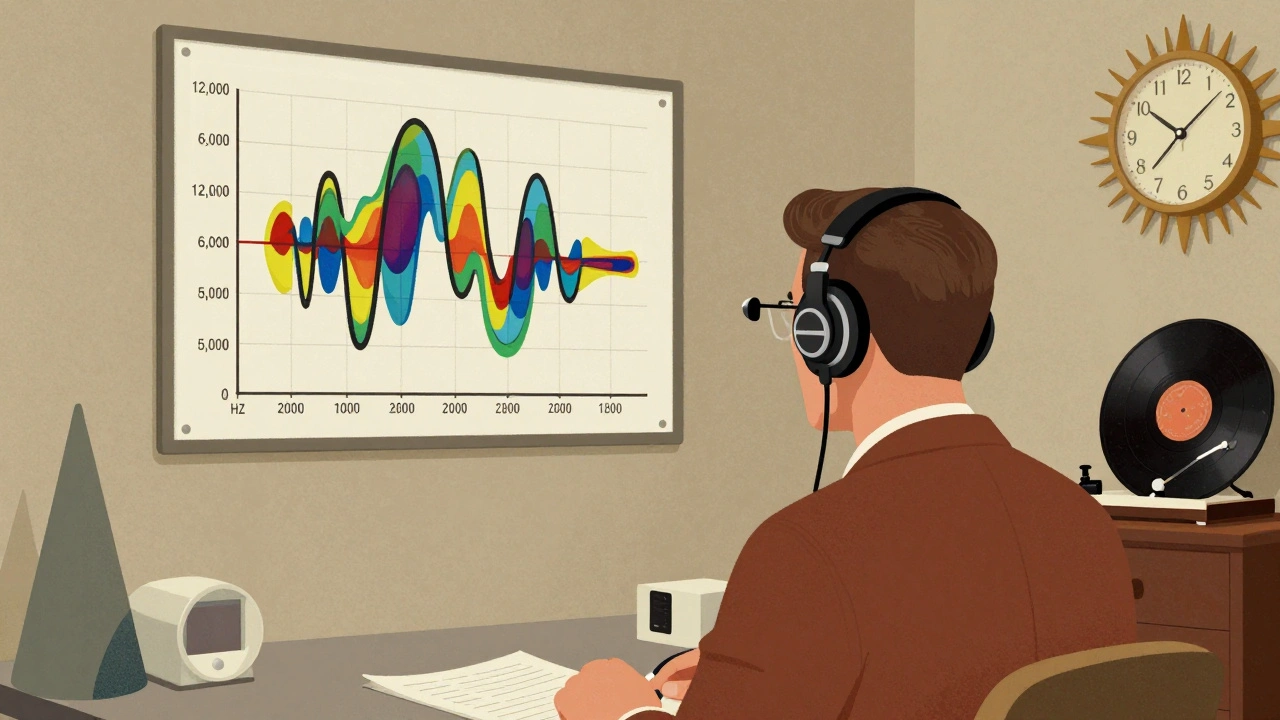
The damage usually starts at the top of the cochlea - the part that handles high frequencies. That’s why the first sign is often trouble hearing birds chirping, doorbells, or children’s voices. Standard hearing tests only check up to 4,000 Hz. But ototoxic damage shows up first at 6,000 to 12,000 Hz. If you’re only getting a basic audiogram, you’re missing the warning signs.
Who’s Most at Risk?
Not everyone who takes these drugs loses hearing. But some people are far more vulnerable.Children - Their ears are still developing. Cisplatin can cause permanent hearing loss in up to 35% of pediatric cancer patients, leading to delays in speech, learning, and social development.
Older adults - Aging already weakens hearing. Add ototoxic drugs, and the damage stacks up faster.
People with kidney disease - Many ototoxic drugs are cleared by the kidneys. If your kidneys aren’t working well, the drugs build up in your system and hit your ears harder.
Those with genetic risks - A small percentage of people carry a mitochondrial DNA mutation (m.1555A>G or m.1494C>T). If they get even one dose of gentamicin, they’re at 100 times higher risk of sudden, profound hearing loss. This isn’t rare - it’s estimated to affect 1 in 500 people. Yet, most doctors don’t test for it.
And then there’s the silent risk: combination therapy. Taking cisplatin and gentamicin together? The damage isn’t just added - it multiplies. Patients on both drugs are far more likely to lose hearing than those on either one alone.

Early Signs You Might Be Losing Your Hearing
The problem with ototoxicity is that it sneaks up on you. By the time you notice trouble understanding conversations, the damage is already advanced. But there are early signals:- Tinnitus - a constant ringing, buzzing, or hissing in one or both ears. This is the #1 early warning sign for cisplatin users.
- Difficulty hearing high-pitched sounds - like a microwave beep, a doorbell, or a child’s voice.
- Feeling off-balance - dizziness, unsteadiness, or a sense of spinning. This points to vestibular damage from aminoglycosides.
- Feeling like your ears are plugged - even when there’s no wax or infection.
- Noise sensitivity - ordinary sounds suddenly feel too loud or painful.
One Reddit user on r/Cancer described it perfectly: “After my third cisplatin cycle, I couldn’t hear my dog barking anymore. My oncologist said it was ‘just tinnitus.’ But I knew something was wrong.”
How to Monitor for Ototoxicity - The Right Way
The good news? You can catch this early. And catching it early can reduce severe hearing loss by 30-50%.Here’s what actually works:
- Baseline audiogram before treatment - Must include frequencies up to 8,000-12,000 Hz. Standard tests (up to 4,000 Hz) miss 80% of early damage.
- Regular high-frequency testing - For cisplatin: test after each cycle. For aminoglycosides: test after every 3-5 doses. Use the same clinic and equipment each time for accurate comparison.
- Otoacoustic emissions (OAE) testing - This checks the health of the hair cells directly. It can detect damage before you even notice hearing loss. Studies show it’s 25% more sensitive than regular audiometry.
- Vestibular testing - If you’re on aminoglycosides and feel dizzy, get tested. Balance issues are often overlooked.
- Keep a symptom journal - Note when tinnitus started, how loud it is, and if your balance has changed. Bring this to your appointments.
Coordination matters. Your oncologist or infectious disease doctor needs to talk to your audiologist. Too often, these teams don’t communicate. That’s why only 45% of U.S. cancer centers have formal ototoxicity monitoring programs - even though guidelines have existed for years.
What’s Being Done to Fight This?
There’s hope. In November 2022, the FDA approved a new drug called sodium thiosulfate (Pedmark) to protect children’s hearing during cisplatin treatment. In clinical trials, it cut hearing loss risk by 48%.Researchers are also testing:
- N-acetylcysteine - an antioxidant that may protect hair cells from aminoglycoside damage.
- Genetic screening - For patients with family history of hearing loss after antibiotics. A simple cheek swab could prevent disaster.
- Smartphone hearing apps - Being developed at Oregon Health & Science University. These could let patients test their hearing at home using headphones, making monitoring accessible to everyone.
But these solutions won’t help if doctors don’t know to ask. The World Health Organization estimates that by 2027, we’ll see 300,000 new cases of drug-induced hearing loss every year - mostly from rising use of aminoglycosides for drug-resistant infections. Prevention isn’t optional anymore. It’s urgent.
What You Can Do Right Now
If you’re prescribed any of these drugs - or know someone who is - here’s your action plan:- Ask your doctor: “Is this medication ototoxic? Do you monitor for hearing loss?”
- Request a baseline hearing test - insist on high-frequency testing (up to 12,000 Hz).
- Ask for a referral to an audiologist - don’t wait until you notice a problem.
- Track your symptoms - tinnitus, dizziness, muffled hearing - and report them immediately.
- Find out if you’re genetically at risk - if you or a close relative had sudden hearing loss after antibiotics, ask about genetic testing.
- Push for alternatives - if you have cancer, ask if carboplatin could replace cisplatin. It’s less ototoxic. If you have an infection, ask if vancomycin could replace gentamicin.
There’s no shame in asking. These drugs save lives. But they shouldn’t steal your hearing in the process. You have the right to know the risks - and to protect yourself.
Why This Matters Beyond Hearing
Hearing loss isn’t just about missing conversations. It’s about isolation. Depression. Cognitive decline. Studies show that untreated hearing loss increases dementia risk by up to 50%. For kids, it means falling behind in school. For older adults, it means losing independence.And the cost? In the U.S. alone, medication-induced hearing loss costs over $1 billion a year - in hearing aids, therapy, lost wages, and social care.
Preventing this isn’t expensive. It’s just a matter of doing the right tests at the right time. It’s about treating patients as whole people - not just their disease.
Can ototoxic hearing loss be reversed?
No. Once the hair cells in your inner ear are destroyed, they don’t grow back. That’s why early detection is critical. Stopping the drug early may prevent further damage, but lost hearing won’t return. Treatments like hearing aids or cochlear implants can help you manage, but they don’t restore natural hearing.
Do all antibiotics cause hearing loss?
No. Only certain classes are known to be ototoxic. Aminoglycosides like gentamicin and tobramycin carry the highest risk. Penicillin, amoxicillin, and azithromycin are not ototoxic. Vancomycin has a much lower risk than gentamicin - around 5-10% compared to 20-63%. Always ask which antibiotic you’re getting and whether it’s known to affect hearing.
How often should I get my hearing tested if I’m on cisplatin?
After your baseline test, you should get a high-frequency audiogram after each chemotherapy cycle. For continuous cisplatin infusions, testing every 1-2 weeks is recommended. Don’t wait until treatment ends - damage can happen fast, and early changes are often reversible if caught in time.
Is tinnitus always a sign of permanent damage?
Not always. Tinnitus can be temporary, especially if it starts during treatment and fades after you stop the drug. But if it persists for more than a few weeks after treatment ends, it’s likely permanent. Either way, it’s a warning sign. Don’t ignore it. Get tested.
Can I still take these medications if I’m at risk?
Yes - but only with close monitoring. Many life-saving drugs like cisplatin and gentamicin are necessary. The goal isn’t to avoid them, but to use them safely. With proper hearing tests, dose adjustments, or protective drugs like Pedmark, you can often continue treatment while protecting your hearing. Never stop a prescribed medication without talking to your doctor.


Write a comment