
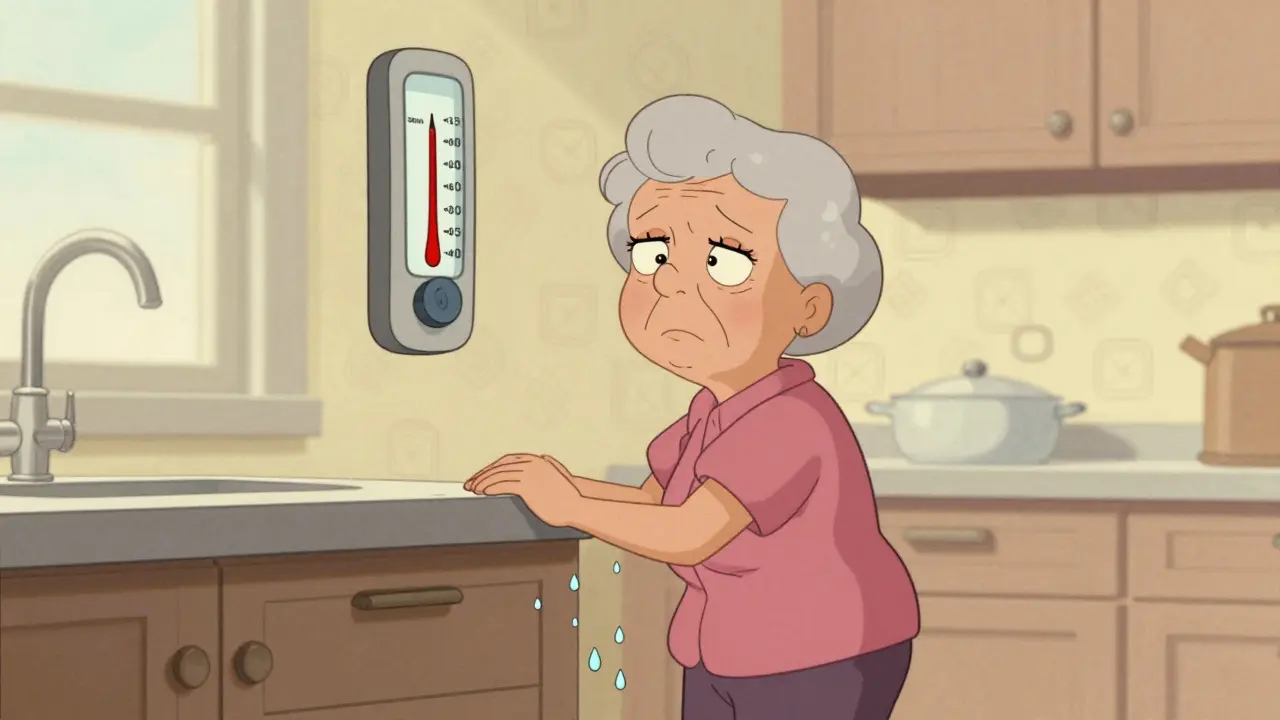
SSRI Hyponatremia Risk Calculator
Risk Assessment Tool
This tool helps assess your risk of developing hyponatremia while taking SSRIs based on clinical factors. For best results, consult with your healthcare provider.
Your Risk Assessment
Important Recommendations
Based on your input, here are key recommendations:
- Check sodium levels before starting and at 2 weeks after initiating SSRI therapy
- Consider alternative medications like mirtazapine or bupropion
- Limit fluid intake if sodium is low
More than 1 in 5 older adults in the U.S. are taking an SSRI for depression or anxiety. It’s a common fix - but it comes with quiet, dangerous risks most people never see coming. One of those risks is hyponatremia: dangerously low sodium in the blood. And it doesn’t just make you feel off. It makes you fall.
Why SSRIs Are Risky for Older Adults
SSRIs like sertraline, fluoxetine, and escitalopram work by boosting serotonin in the brain. That helps mood. But in older bodies, that same mechanism can throw off sodium balance. The reason? These drugs trigger something called SIADH - syndrome of inappropriate antidiuretic hormone secretion. Basically, your kidneys start holding onto too much water. That water dilutes the sodium in your blood. And when sodium drops below 135 mmol/L, you’ve got hyponatremia.It’s not rare. About 6 out of every 100 older adults on SSRIs develop it. And it usually shows up within the first two to four weeks after starting the medicine or increasing the dose. Older people are more vulnerable because their bodies change with age: less total water, weaker kidneys, and hormones that don’t regulate fluid like they used to. Even a small drop in sodium can be serious.
The Silent Warning Signs
Hyponatremia doesn’t always come with nausea or vomiting like it does in younger people. In older adults, the signs are subtle - and easily mistaken for normal aging.- Feeling dizzy when standing up
- Walking slower or stumbling
- Confusion or trouble remembering things
- Unexplained fatigue or weakness
These aren’t just "getting older" symptoms. They’re red flags. And they directly increase the chance of a fall. A fall can mean a hip fracture, a hospital stay, or even death in someone over 70. Studies show SSRIs raise fall risk - and hyponatremia is likely a big part of why.
Which SSRIs Are Most Dangerous?
Not all SSRIs are created equal when it comes to sodium risk. Fluoxetine (Prozac) has the highest reported rate - nearly 6.5% of users develop hyponatremia. That’s more than double the average. Sertraline and citalopram are also higher risk. Escitalopram and paroxetine are a bit safer, but still carry risk.And it’s not just SSRIs. SNRIs like venlafaxine (Effexor) are even riskier, with over 5% of users developing hyponatremia. If you’re on one of these, your doctor should know.
The Thiazide Trap
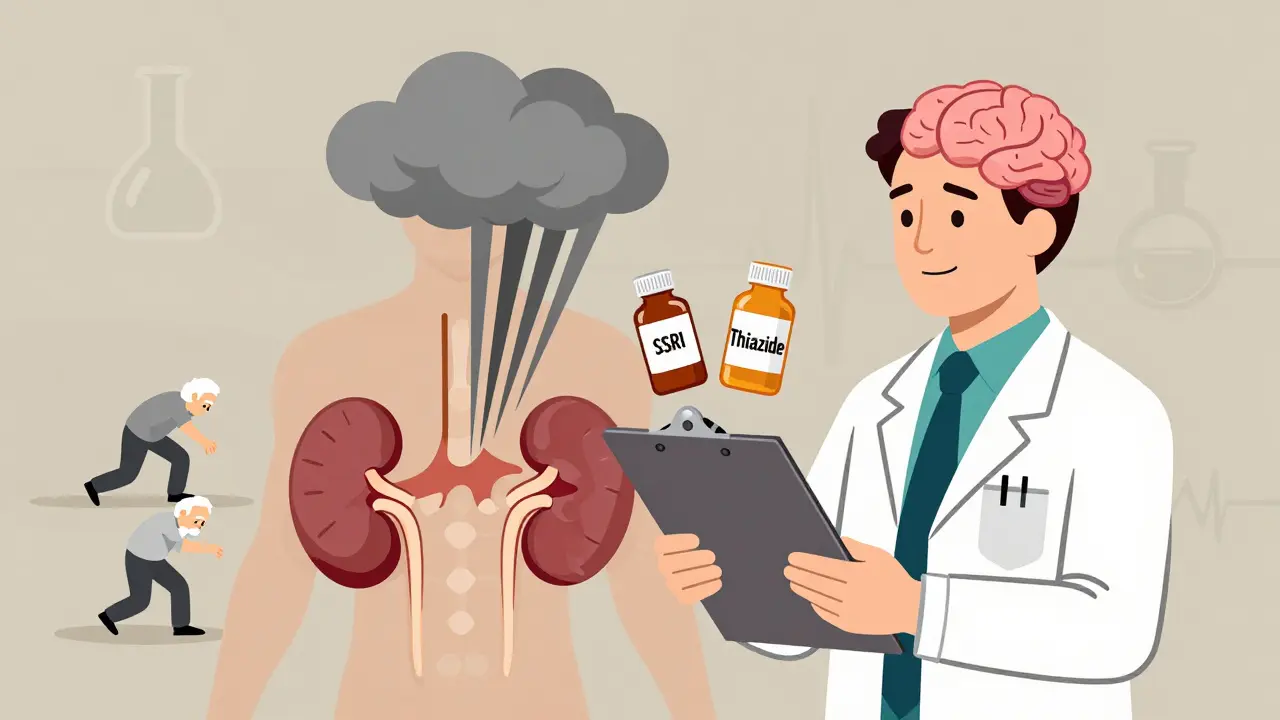
Here’s a dangerous combo many doctors miss: SSRIs plus thiazide diuretics. These are often prescribed together - SSRIs for mood, thiazides for high blood pressure. But together, they multiply the risk. A 2023 Medicare study found that people taking both had a 24% to 27% higher chance of developing hyponatremia than those on either drug alone.It’s not just about the drugs. It’s about the body. Thiazides make you lose sodium through urine. SSRIs make your body hold onto water. Together, they create a perfect storm. If you’re on both, your sodium should be checked before starting - and again at two weeks.
Who’s at Highest Risk?
Some people are far more likely to develop hyponatremia on SSRIs:- Women - hormonal differences play a role
- People with low body weight (BMI under 25)
- Those with sodium levels already near 140 mmol/L or lower
- People with kidney issues or heart failure
- Anyone over 75
If you fit even one of these, your risk is elevated. And that means your doctor needs to act differently.
What Should Doctors Do?
The American Geriatrics Society says SSRIs can be inappropriate for older adults - especially if they already have low sodium or are at risk. But many still prescribe them without checking sodium levels.Best practice? Test sodium before starting an SSRI. Then test again at two weeks. That’s the window when hyponatremia usually appears. If sodium drops below 135, stop or switch the medication. Mild cases can be managed with fluid restriction. Severe cases (below 125) need hospital care - but correction must be slow to avoid brain damage.
Here’s the problem: a 2023 study found that even when doctors check sodium, it doesn’t always prevent hospitalizations. Why? Because checking alone isn’t enough. You need a plan: stop the drug, switch to something safer, or manage fluid intake. Many clinics don’t have that system in place.
What Are the Safer Alternatives?
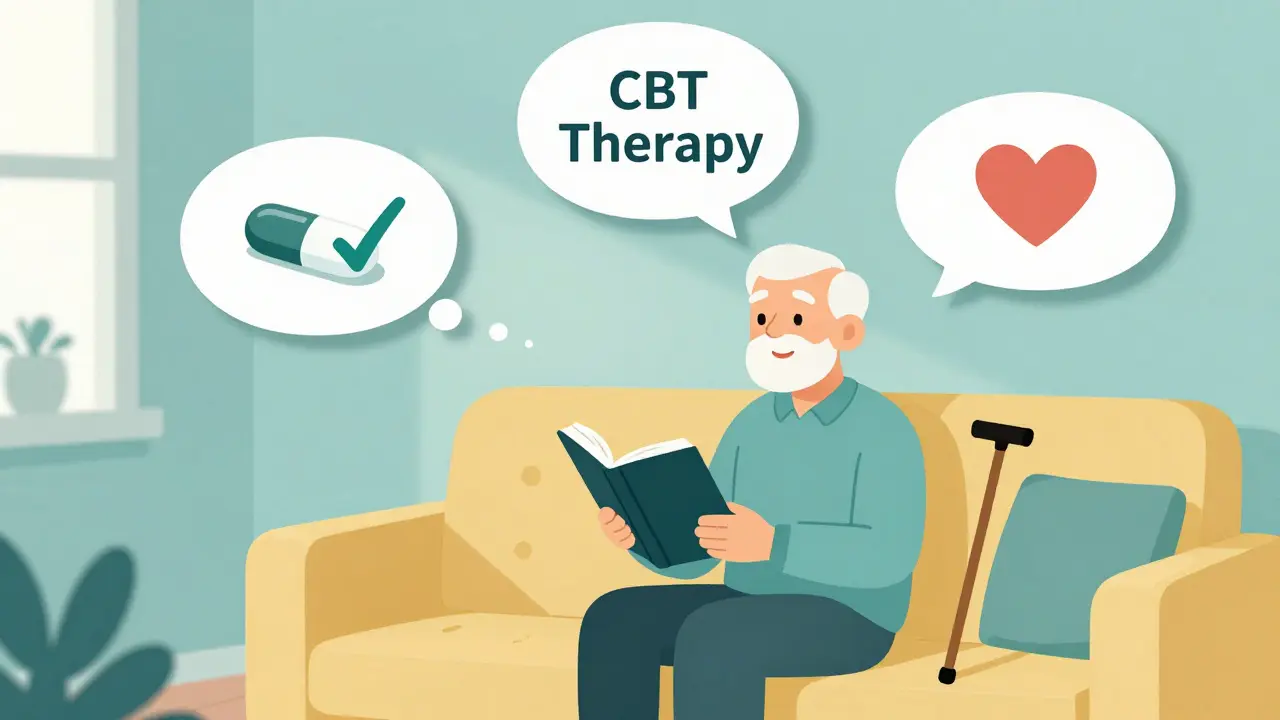
If you’re older and need an antidepressant, there are better choices than SSRIs.- Mirtazapine - This one has almost no link to hyponatremia. It’s often the top choice for seniors who need an antidepressant with lower risk.
- Bupropion - Doesn’t affect serotonin. Lower risk for hyponatremia. But it can raise blood pressure and isn’t ideal for everyone.
- Psychotherapy - CBT and other talk therapies work well for late-life depression. No side effects. But access is limited.
Some doctors still default to SSRIs because they’re familiar. But mirtazapine is just as effective for many people - and far safer.
What You Can Do
You don’t have to wait for your doctor to act. Ask these questions:- "Is my sodium level been checked since I started this medication?"
- "Could this medicine make me dizzy or unsteady?"
- "Are there safer options for someone my age?"
- "Am I taking any other drugs that might increase this risk?"
Keep a symptom log. Note any new dizziness, confusion, or changes in walking. Bring it to your next appointment. If you fall - even once - tell your doctor. That’s not just an accident. It’s a warning sign.
The Bigger Picture
SSRI prescriptions for seniors have jumped 34% since 2015. At the same time, hyponatremia-related hospitalizations cost over $1.2 billion a year. We’re treating depression - but sometimes at the cost of safety.New tools are emerging. Hospitals are using AI systems that flag high-risk combinations like SSRIs plus thiazides. Some clinics now require sodium tests before prescribing. But progress is slow.
The NIH is funding a $2.8 million study to figure out the best way to monitor older adults on these drugs. Until then, the safest approach is simple: know your risk. Ask questions. Don’t assume it’s just "normal aging."
Depression matters. But so does staying safe. Sometimes the best antidepressant isn’t the one that lifts your mood the most - it’s the one that lets you stay on your feet.


Write a comment