
Methadone QTc Calculator
Enter values to see calculation results
Why Methadone Affects Your Heart
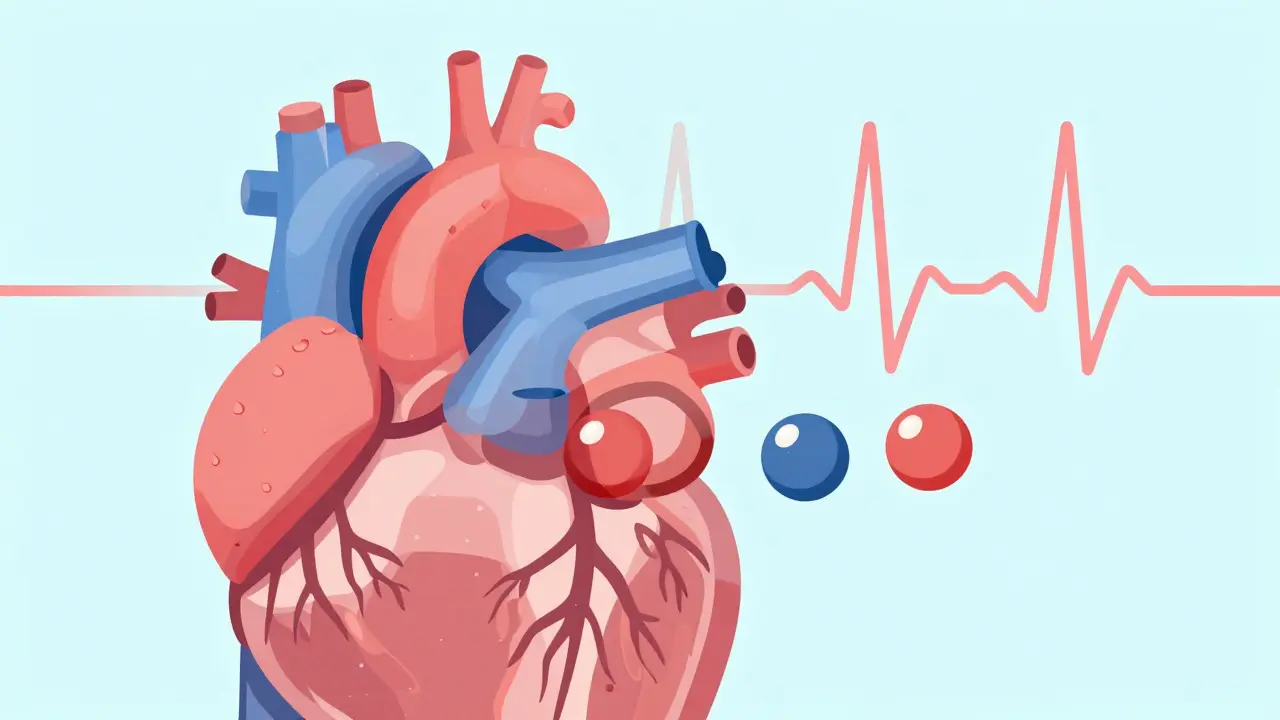
Methadone is a synthetic opioid used to treat addiction. It works by binding to opioid receptors in the brain, reducing cravings and withdrawal symptoms. But it also blocks a critical heart channel called hERG potassium channels. This disruption slows the heart's electrical recovery, lengthening the QT interval on an ECG. When this interval gets too long, it can trigger a dangerous heart rhythm called Torsades de Pointes (TdP), which may lead to sudden cardiac death.
The U.S. Food and Drug Administration (FDA) issued a safety alert in 2006 after recognizing methadone's cardiac risks were often missed. Since then, research shows QTc prolongation affects 9% to 88% of patients on methadone maintenance therapy. Crucially, Torsades de Pointes is rare but deadly-with a 4-fold higher risk of sudden death when QTc exceeds 500 milliseconds.
How QT Prolongation Happens
Methadone blocks the hERG potassium channels (KCNH2 gene) in heart cells. These channels control the delayed-rectifier potassium current during the heart's repolarization phase. When blocked, the heart takes longer to reset after each beat, stretching the QT interval. Additional factors worsen this: methadone can cause bradycardia (slow heart rate) through calcium channel blockade and anticholinergic effects. Together, these changes create a perfect storm for arrhythmias.
Real-world data from Geneva University Hospital studied 127 patients on methadone. They found 28.3% had QTc prolongation (>450 ms in men, >470 ms in women), with 8.7% exceeding 500 ms. Independent predictors included daily methadone doses over 100 mg, low potassium levels (<4 mmol/L), and concurrent psychotropic drugs. This shows why risk factors matter more than dose alone.
Measuring QT Interval Correctly
Doctors measure QT interval on an ECG, but it must be corrected for heart rate (QTc). Normal values are strict:
- Men: ≤430 milliseconds (ms) normal, 431-450 ms borderline, >450 ms prolonged
- Women: ≤450 ms normal, 451-470 ms borderline, >470 ms prolonged
These thresholds aren't arbitrary. A QTc above 500 ms increases sudden cardiac death risk fourfold. A change of more than 60 ms from baseline also requires urgent action. Always use the same method (like Bazett's formula) for consistency across tests.
Who's at Highest Risk?
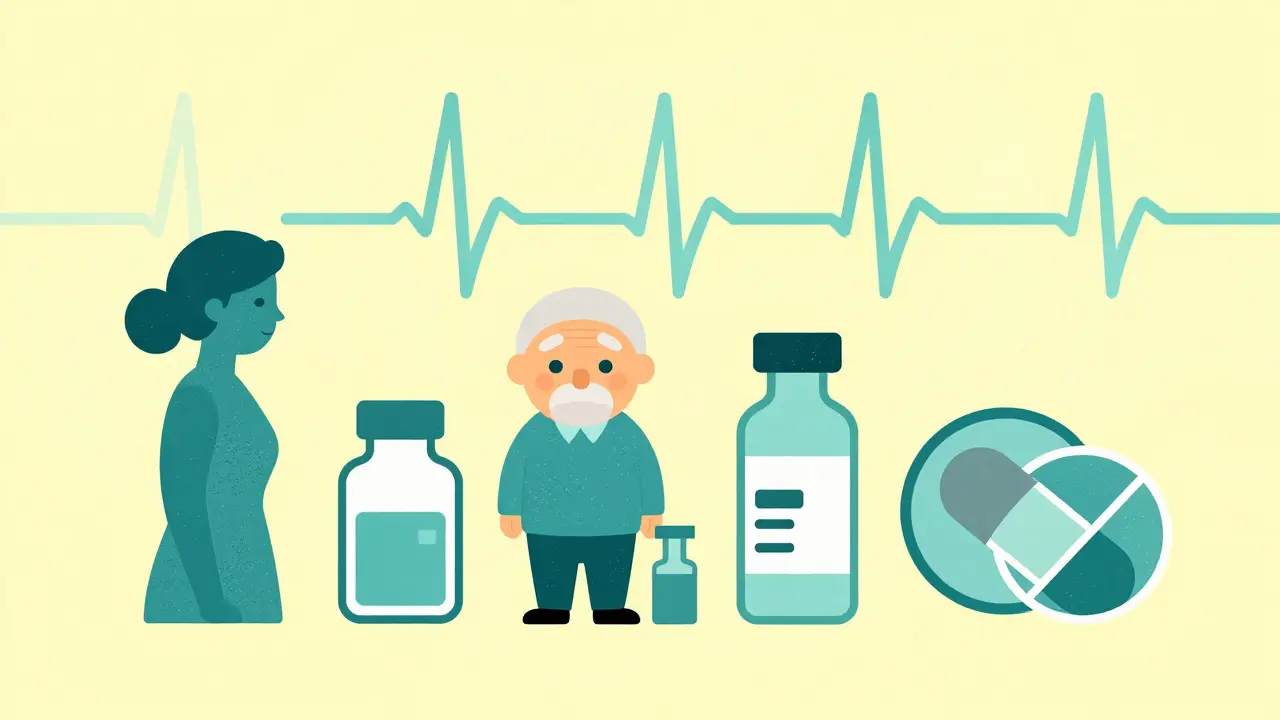
Not all patients face equal danger. Key risk factors include:
- Female gender (2.5x higher risk than men)
- Age over 65
- Electrolyte imbalances (potassium <3.5 mmol/L or magnesium <1.5 mg/dL)
- Pre-existing heart disease (e.g., heart failure, ischemic heart disease)
- Concomitant QT-prolonging drugs like certain antidepressants or antibiotics
- CYP3A4 inhibitors (e.g., fluconazole, fluvoxamine) that spike methadone blood levels by up to 50%
For example, a 70-year-old woman on methadone with low potassium and taking fluconazole has multiple overlapping risks. Her QTc might jump 50+ ms from baseline-far beyond safe limits.
ECG Monitoring Protocol
Guidelines from SAMHSA and the American Society of Addiction Medicine recommend risk-based monitoring:
| Risk Level | QTc Threshold (Men) | QTc Threshold (Women) | Monitoring Frequency | Actions |
|---|---|---|---|---|
| Low Risk | <450 ms | <470 ms | Every 6 months | Continue treatment; check for new risk factors |
| Moderate Risk | 450-480 ms | 470-500 ms | Every 3 months | Correct electrolytes; review drug interactions |
| High Risk | >480 ms | >500 ms | Monthly | Dose reduction; cardiology consult; consider buprenorphine |
Baseline ECG is mandatory before starting methadone. Repeat after 2-4 weeks to confirm steady state. Then adjust frequency based on risk. A 2023 JAMA study proved structured monitoring cuts cardiac events by 67%-proving this isn't just theoretical.
What to Do When QTc Is Too Long
If QTc exceeds 500 ms or increases over 60 ms from baseline:
- Reduce methadone dose immediately (typically by 10-25%)
- Check and correct electrolytes-especially potassium and magnesium
- Stop any QT-prolonging drugs (e.g., fluconazole, haloperidol)
- Consult a cardiologist for further evaluation
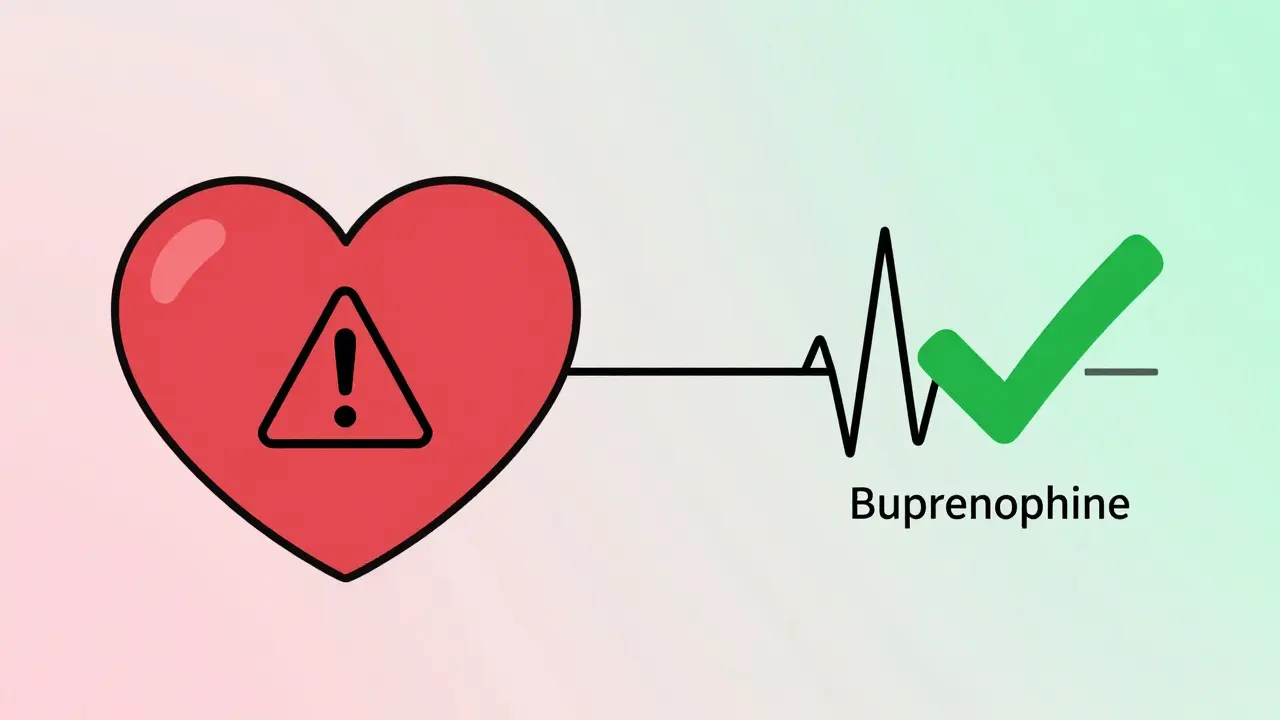
- For persistent issues, switch to buprenorphine (which has 80% lower QT prolongation risk)
Buprenorphine is a safer alternative for high-risk patients. Studies show it doesn't significantly prolong QTc even at high doses. For example, a patient with a history of heart disease and low potassium might switch to buprenorphine with no loss of addiction treatment effectiveness.
Common Questions About QT Monitoring
What's the normal QTc range for men and women?
For men, normal QTc is ≤430 ms, borderline is 431-450 ms, and prolonged is >450 ms. For women, normal is ≤450 ms, borderline is 451-470 ms, and prolonged is >470 ms. These thresholds account for natural differences in heart physiology between genders.
Can I skip ECGs if I feel fine?
Absolutely not. QT prolongation often causes no symptoms until a life-threatening arrhythmia occurs. Many patients with dangerously long QTc intervals report feeling perfectly normal. Relying on symptoms alone is dangerous-regular ECGs are the only reliable way to catch this risk early.
How often should I get an ECG after starting methadone?
Baseline ECG before treatment. Then repeat 2-4 weeks after starting or changing dose to confirm steady state. After that, frequency depends on risk: low-risk patients every 6 months, moderate-risk every 3 months, and high-risk monthly. If you develop new risk factors (like starting a new medication), get tested immediately.
What drugs should I avoid with methadone?
Avoid drugs that prolong QTc or interact with methadone metabolism. Key offenders include: fluconazole (increases methadone levels by 50%), haloperidol (antipsychotic), moxifloxacin (antibiotic), and certain antidepressants like citalopram. Always check new medications with your pharmacist. Even over-the-counter drugs like antacids with magnesium can worsen electrolyte imbalances.
Is buprenorphine really safer for my heart?
Yes. Buprenorphine has minimal effect on QTc intervals-studies show average changes of just 5-10 ms compared to methadone's 20-40 ms. It's also less likely to cause respiratory depression. For patients with heart disease, electrolyte issues, or high methadone doses, switching to buprenorphine often improves safety without compromising addiction treatment outcomes.


Write a comment