
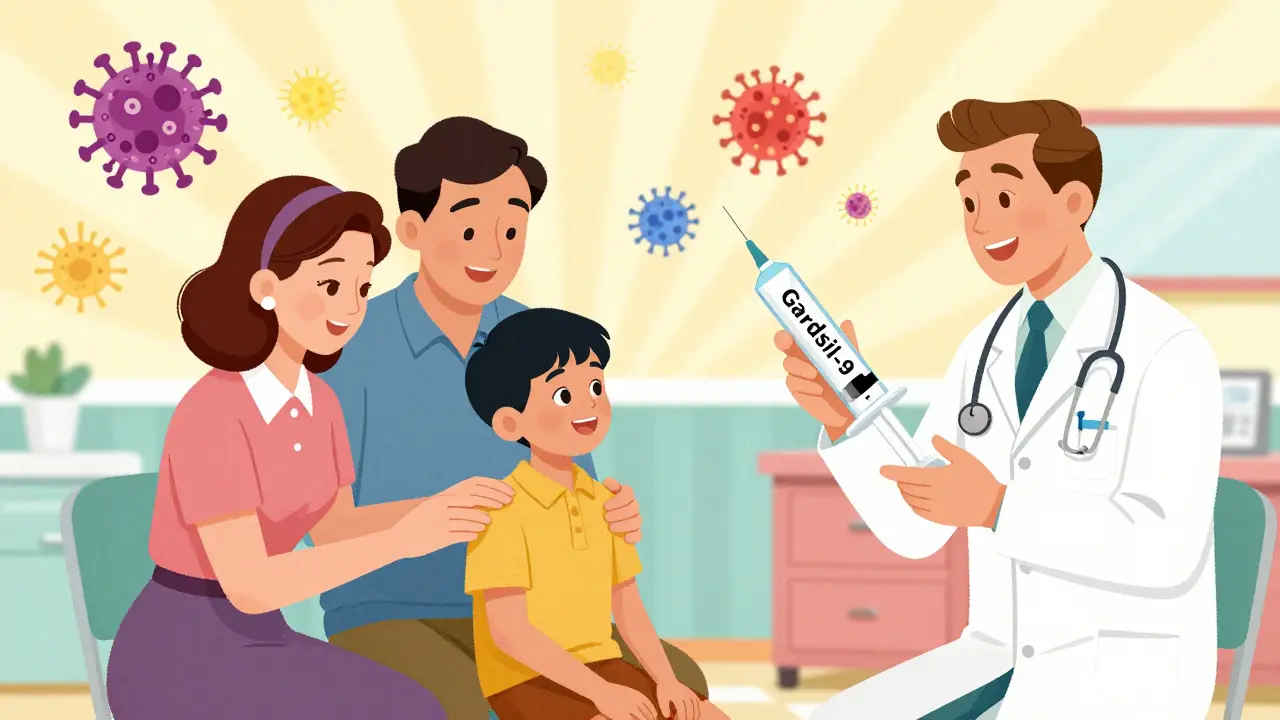
Most people don’t realize that a common virus can cause cancer. But HPV - human papillomavirus - is behind nearly 48,000 new cancer cases in the U.S. every year. It’s not just cervical cancer anymore. Throat and anal cancers linked to HPV are rising fast, especially in men. And the scary part? Most of these cancers are preventable.
What HPV-Related Cancers Are Actually Happening
HPV doesn’t just cause cervical cancer. It’s now the leading cause of throat cancer in the U.S., surpassing cervical cancer in men. Oropharyngeal cancer - that’s the back of the throat, tonsils, and base of the tongue - accounts for about 70% of all HPV-related cancers in men. In 2023, there were more than 15,000 new cases of HPV-positive throat cancer in the U.S. alone. And it’s not slowing down. Each year, these cases rise by nearly 3%.
Anal cancer is another growing concern. About 91% of anal cancers are caused by HPV, mostly HPV type 16. While it’s less common than throat or cervical cancer, it’s still on the rise, especially among men who have sex with men and people with weakened immune systems. The good news? These cancers don’t just appear overnight. They develop over years from persistent HPV infections.
HPV 16 and 18 are the big troublemakers. Together, they cause about 70% of cervical cancers and 85% of HPV-positive throat cancers. That’s why vaccines targeting these types are so powerful. The current vaccine, Gardasil-9, protects against nine high-risk HPV strains - including 16 and 18 - and prevents up to 90% of HPV-related cancers.
Why Men Are Getting Hit Harder
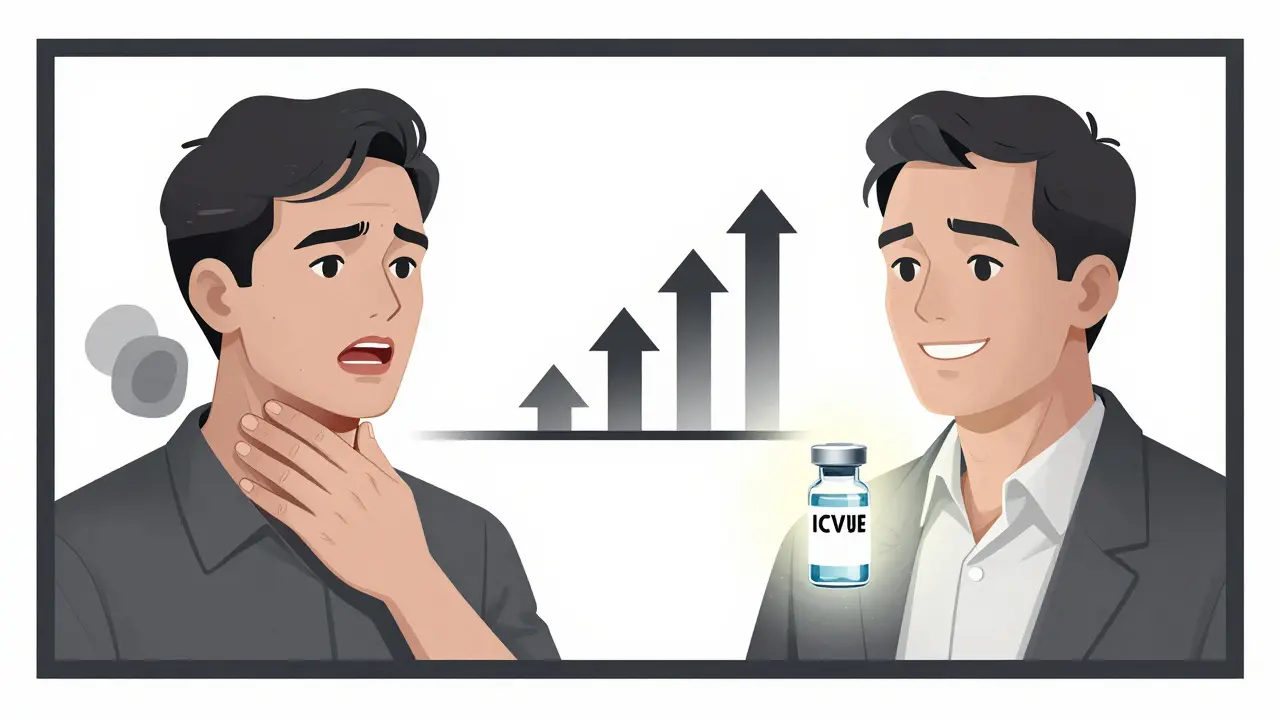
Here’s the uncomfortable truth: men are bearing the brunt of rising HPV cancers. In 2023, men accounted for more than half of all new HPV-related cancer cases in the U.S. Why? Because screening for throat and anal cancers doesn’t exist the way it does for cervical cancer. Women get Pap tests and HPV tests. Men don’t have that safety net.
Throat cancer from HPV is more common in men because of how the virus spreads - through oral sex - and because men are less likely to clear the infection naturally. Studies show men clear HPV from the throat at half the rate of women clearing it from the cervix. That means the virus sticks around longer, increasing the chance it’ll trigger cancer.
There’s also a racial gap. Non-Hispanic White men have the highest rates of HPV-related throat cancer. Meanwhile, Asian/Pacific Islander men have the lowest. The reasons aren’t fully understood, but access to care, sexual behavior patterns, and immune response differences may all play a role.
How HPV Vaccination Stops Cancer Before It Starts
The best way to avoid HPV cancer? Get vaccinated - before exposure. The CDC recommends the HPV vaccine for all kids at age 11 or 12. That’s because the immune system responds strongest before any sexual activity begins. The vaccine works like a training manual for your immune system: it teaches your body to recognize and destroy HPV before it can cause damage.
For teens, two doses are enough if started before age 15. If you’re 15 or older, you need three doses. The vaccine is approved up to age 45, but it’s most effective when given young. Adults over 26 should talk to their doctor - it’s still worth it if you haven’t been exposed to many HPV types.
Yet, only 65% of U.S. teens have completed the full series. That’s not enough. Experts say if we hit 80% vaccination coverage, we could prevent 21,000 HPV cancers every year. That’s more than 50 a day. In Rhode Island, a school-based vaccination program boosted rates from 53% to 84% in six years. High-grade cervical lesions - the precancerous changes - dropped by 22%.
Parents worry about side effects. But the HPV vaccine has been given to over 300 million people worldwide. The most common side effect? A sore arm. Serious reactions are rarer than being struck by lightning.
Screening: What Works and What Doesn’t
For cervical cancer, we have a proven system: HPV testing every five years for women 25 to 65. Or a Pap test every three years. Some doctors combine both. These tests catch abnormal cells before they turn into cancer. That’s why cervical cancer rates have dropped by more than half since the 1970s.
But there’s no routine screening for throat or anal cancer. Doctors don’t have a reliable test to find early signs in the throat. Some specialists use visual exams or biopsies for high-risk patients - like those with HIV or a history of anal warts - but it’s not widespread. That’s why vaccination is even more critical for men.
There’s promising progress on self-sampling tests for cervical cancer. The FDA approved a home HPV test in 2022. In one study, it increased screening rates by 24% because it removed the embarrassment and access barriers. More of these tests could help reach underserved women - especially in rural areas where clinics are scarce.
The Real Cost of Waiting
HPV cancers don’t just take your health - they take your money and your life. The average cost to treat throat cancer is nearly $200,000. Anal cancer runs about $135,000. Cervical cancer? Around $142,000. These are out-of-pocket costs after insurance. Many patients still face $50,000 to $100,000 in bills.
And it’s not just money. Survivors often lose their voice, their ability to swallow, or their fertility. One man in his 40s needed a feeding tube for six months after treatment. Another woman had to choose between saving her life and having children.
There’s also the emotional toll. People with HPV-related cancers often feel blamed. They think, “I did something wrong.” But HPV is so common that 80% of sexually active people will get it at some point. Most never know. Most clear it without harm. Only a tiny fraction develop cancer - and that’s why we need prevention, not shame.

What You Can Do Right Now
If you’re a parent: Get your child vaccinated at 11 or 12. Don’t wait. Don’t wait until they’re older. Don’t wait until they’re sexually active. The vaccine works best before exposure.
If you’re an adult under 26: If you haven’t been vaccinated, get the full series now. It’s not too late.
If you’re 27 to 45: Talk to your doctor. If you’ve had few sexual partners or haven’t been exposed to many HPV types, the vaccine may still protect you.
If you’re a woman 25 to 65: Get screened. HPV testing every five years is the gold standard. Don’t skip it because you feel fine. Cancer doesn’t always cause symptoms until it’s advanced.
If you’re a man: Talk to your doctor about your risk. There’s no screening, but you can reduce your risk by getting vaccinated and practicing safe sex. Know the signs: persistent sore throat, trouble swallowing, a lump in the neck, or unexplained weight loss. These could be early signs of throat cancer.
The Future Is Preventable
The World Health Organization wants to eliminate cervical cancer by 2030. Their plan: 90% of girls vaccinated by 15, 70% of women screened by 35 and 45, and 90% of precancers treated. It’s ambitious - but possible.
Therapeutic vaccines - ones that treat existing HPV infections - are in trials. Early results show they can shrink precancerous lesions. That could one day help people who already have HPV.
But right now, the only proven tool is the HPV vaccine. And we’re not using it well enough. Every unvaccinated teen is a missed opportunity. Every parent who says “I’ll think about it” is delaying protection. Every adult who skips the vaccine because they’re “too old” is putting themselves at risk.
HPV-related cancers aren’t inevitable. They’re preventable. We have the tools. We just need to use them.


Write a comment