
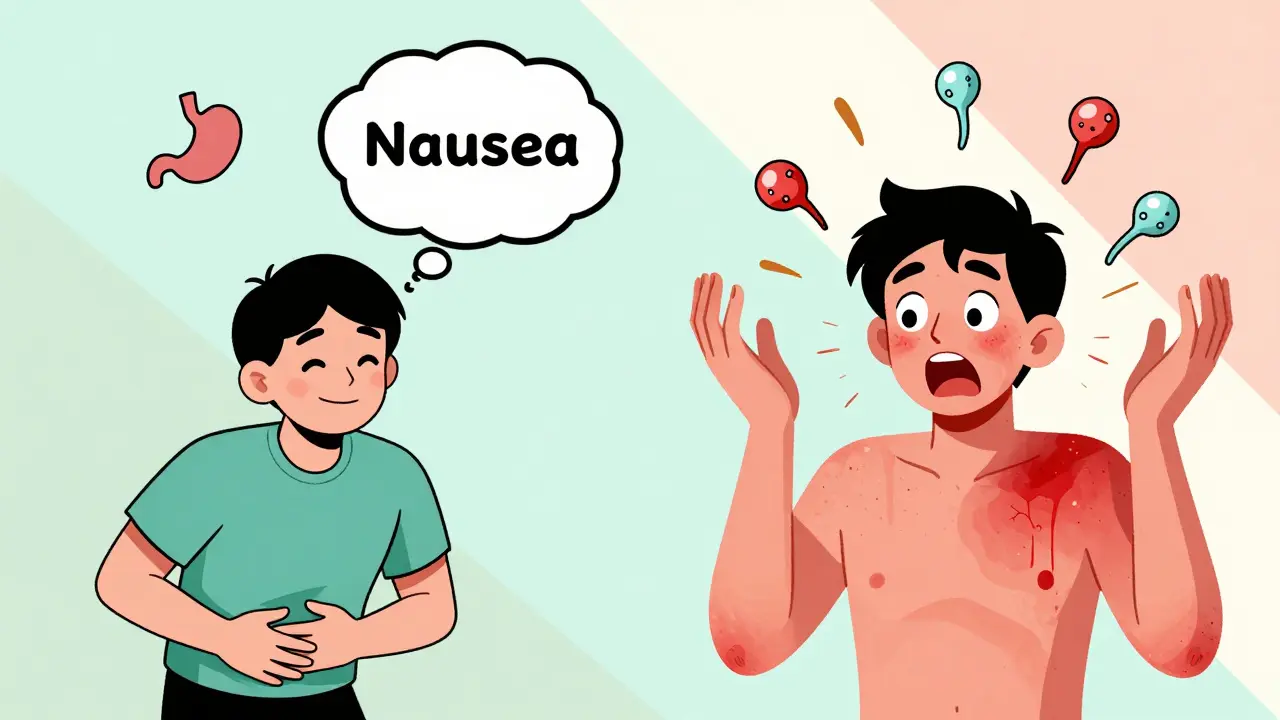
Most people think if a drug makes them feel bad, it’s an allergy. But that’s not always true-and mixing up a side effect with a true drug allergy can put your health at risk. You might avoid a life-saving antibiotic because you got nauseous once. Or worse, you might take a drug again after a real allergic reaction and end up in the hospital. The difference isn’t just semantics; it’s about safety, treatment options, and even your long-term health.
What’s Really Happening in Your Body?
A true drug allergy means your immune system sees the medication as an invader. It kicks into gear, releases chemicals like histamine, and triggers symptoms ranging from a rash to full-blown anaphylaxis. This isn’t just feeling off-it’s your body mounting a defense. The immune system produces specific antibodies, usually IgE, that recognize the drug. That’s why, if you’ve had a real allergic reaction, even a tiny amount next time can cause a worse response.
Side effects are completely different. They’re predictable, pharmacological outcomes of how the drug works in your body. For example, antibiotics like amoxicillin can irritate your gut lining. That’s not your immune system attacking-it’s just the drug doing what it does, and your stomach happens to be in the way. Nausea, dizziness, headache, diarrhea-these are side effects. They’re listed in the patient information leaflet for a reason: they’re common, known, and usually not dangerous.
Here’s the kicker: only 5 to 10% of all reported adverse drug reactions are true allergies. That means 9 out of 10 times, someone says they’re allergic to a drug, they’re not. They just had a side effect.
Timing Tells the Story
One of the clearest ways to tell the difference is when symptoms show up.
If you develop hives, swelling of the lips or tongue, trouble breathing, or a sudden drop in blood pressure within minutes to an hour after taking a drug, that’s a red flag for an IgE-mediated allergic reaction. These are the kinds of reactions that can be deadly. If you’ve ever had a reaction like this, you need to take it seriously and get evaluated by an allergist.
Delayed reactions are trickier. A rash that shows up 7 to 14 days after starting a new medication-especially if it’s flat, red, and spread out-could be a T-cell-mediated allergy. These aren’t caused by IgE antibodies, but by other parts of your immune system. Severe forms like DRESS (Drug Reaction with Eosinophilia and Systemic Symptoms) or Stevens-Johnson Syndrome can develop 2 to 6 weeks later. These are medical emergencies.
Side effects? They usually start soon after you take the drug, but they don’t get worse with each dose. If you feel dizzy after your first dose of blood pressure medicine, you’ll probably feel it again. But if you stop taking it, the dizziness goes away. No immune system involved. Just a pharmacological hiccup.
Symptom Patterns: One System or Many?
Another big clue is how many body systems are involved.
A true drug allergy often hits more than one system at once. Think: rash + swelling + stomach cramps + wheezing. That’s not random. That’s your immune system going off all over the place. According to data from Premier Health, 87% of confirmed allergic reactions involved two or more organ systems.
Side effects? Usually just one. Nausea from antibiotics? Just your gut. Headache from a beta-blocker? Just your brain. Dizziness from a diuretic? Just your balance system. Simple. Predictable. Isolated.
Here’s a common mistake: people say they’re allergic to ibuprofen because it gives them a stomachache. That’s not an allergy. That’s a side effect. Ibuprofen blocks enzymes that protect your stomach lining. It’s not your immune system-it’s just chemistry. But because they think it’s an allergy, they avoid all NSAIDs, even though they might tolerate naproxen just fine.
Penicillin: The Most Misunderstood Allergy
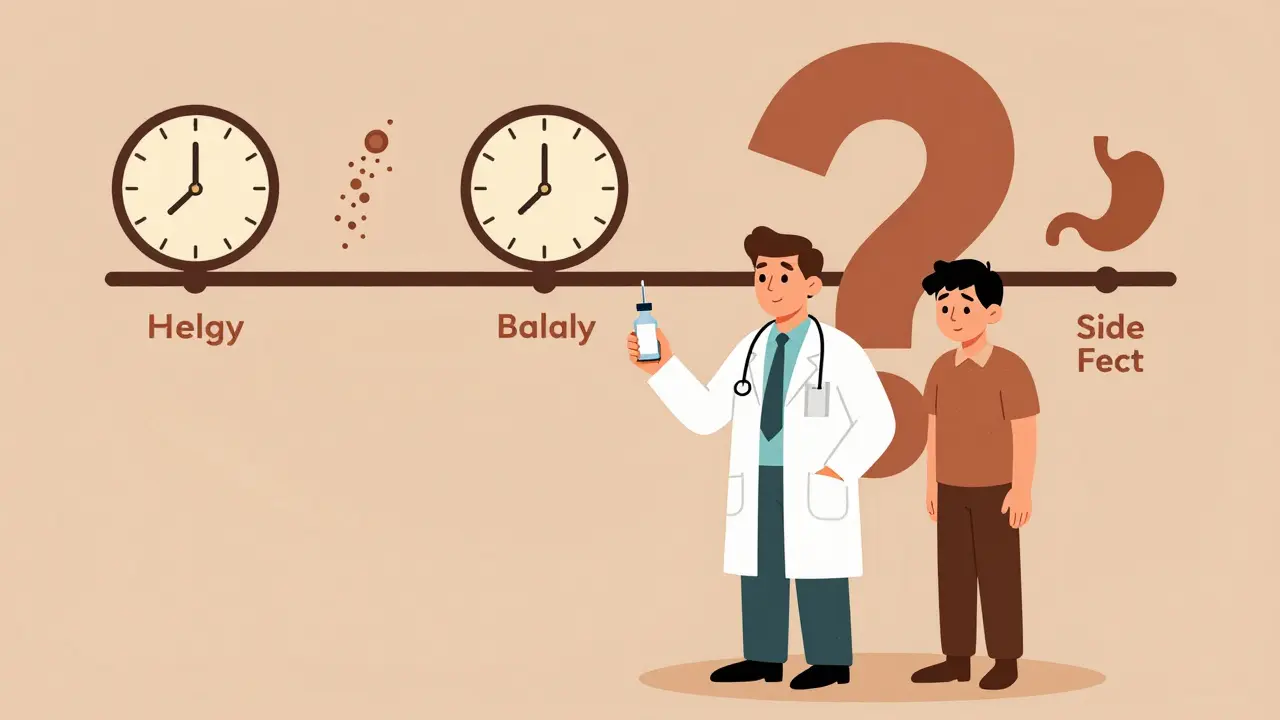
Nearly 10% of Americans say they’re allergic to penicillin. But when tested, 90 to 95% of them aren’t. That’s not a typo. Nine out of ten people who think they’re allergic to penicillin can safely take it.
Why does this matter? Because if you’re labeled penicillin-allergic, doctors reach for broader-spectrum antibiotics like vancomycin or ciprofloxacin. These are more expensive, more likely to cause side effects, and more likely to fuel antibiotic resistance. A 2022 JAMA Network Open study found that people with falsely labeled penicillin allergies had a 69% higher risk of getting a C. diff infection and stayed in the hospital 30% longer.
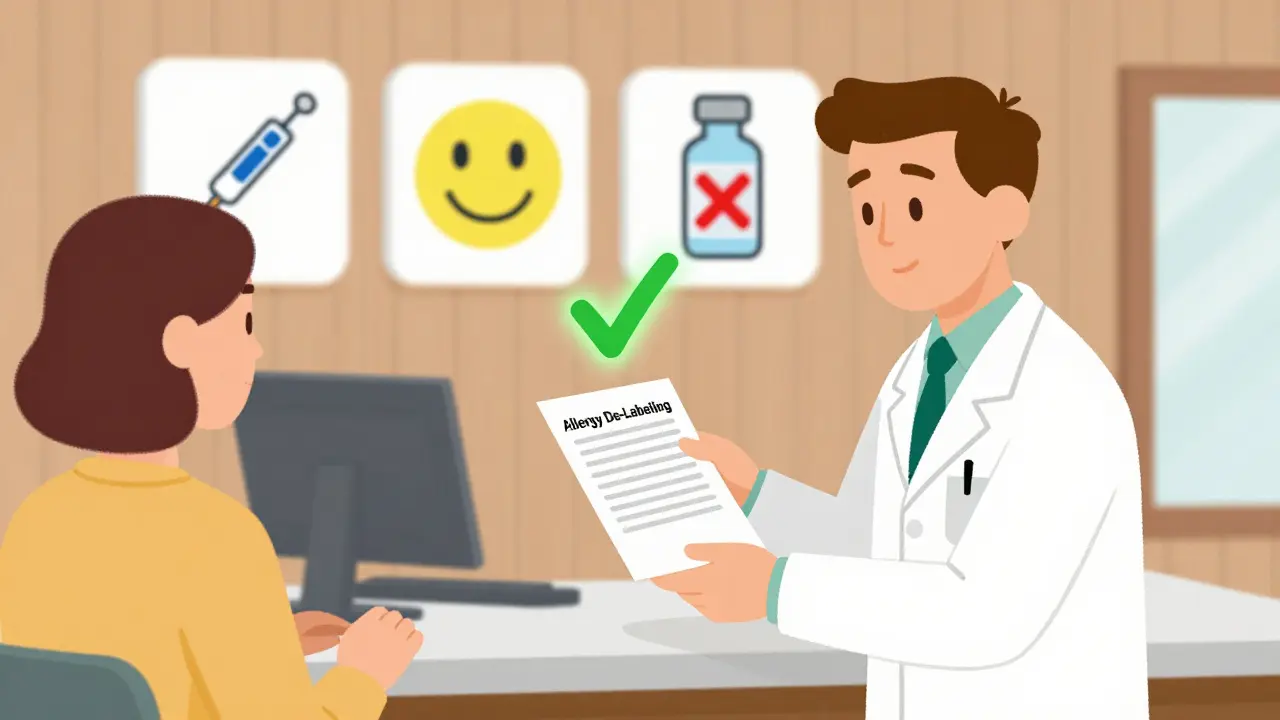
And here’s the good news: you can get tested. Skin tests for penicillin are 95% accurate. If the test is negative, you can do a supervised oral challenge-take a small dose under medical watch. Most people pass without issue. In fact, Mayo Clinic’s de-labeling program successfully cleared 92% of low-risk patients. That means they got back access to safer, cheaper, more effective antibiotics.
What to Do If You Think You Have a Drug Allergy
If you’ve had a reaction, don’t just assume it’s an allergy. Write down what happened:
- What drug did you take?
- When did symptoms start? (Within an hour? A week later?)
- What exactly happened? (Rash? Swelling? Vomiting? Trouble breathing?)
- Did it happen once, or every time?
- Did you have more than one symptom at once?
Take that list to your doctor. Ask: Could this be a side effect? If it was a serious reaction-like swelling, trouble breathing, or a widespread rash-ask for a referral to an allergist. They can run tests to confirm or rule out an allergy.
Don’t wait until you need antibiotics for pneumonia. Don’t wait until you’re in the ER. Get it sorted now. The testing is safe, quick, and can change your medical future.
Why This Matters Beyond Your Own Health
This isn’t just about you. Mislabeling drug allergies affects the whole healthcare system. The CDC estimates that incorrect penicillin allergy labels cost the U.S. healthcare system over $1 billion a year. That’s because doctors use more expensive, less effective drugs. Those drugs are harder on your body. They increase your risk of resistant infections. They strain hospital resources.
Hospitals are starting to catch on. In 2020, only 15% of U.S. hospitals had formal allergy de-labeling programs. By 2023, that number jumped to 42%. Pharmacists now lead these efforts, reviewing patient records and offering testing. Electronic health records now require doctors to clearly mark whether a reaction is an allergy or a side effect. By January 2025, this will be mandatory.
And it’s working. A 2023 study in Health Affairs found that hospitals using pharmacist-led allergy reviews cut inappropriate antibiotic use by 27%.
What You Can Do Today
Stop using the word “allergy” for every bad reaction. Be precise.
If you got sick after a drug, ask yourself: Did my body attack it? Or did the drug just do something it’s supposed to do?
If you’ve been told you’re allergic to penicillin-or any drug-without ever being tested, schedule a visit with an allergist. Bring your history. Ask for a skin test. Ask about a drug challenge.
If you’re a parent, don’t let your child avoid antibiotics because you got a stomachache once. Get it checked.
If you’re a doctor or nurse, don’t just accept a patient’s word. Ask for details. Document timing. Look for multi-system involvement. Push for evaluation when it makes sense.
Because here’s the truth: a drug allergy is rare. A side effect is common. And confusing the two doesn’t just inconvenience you-it can endanger you.
When to Seek Help Immediately
Some reactions need emergency care. If you experience any of these after taking a drug, call 911 or go to the ER:
- Swelling of the face, lips, tongue, or throat
- Wheezing or trouble breathing
- Feeling faint or passing out
- Rapid heartbeat or low blood pressure
- A rash that spreads quickly and blisters
These aren’t side effects. These are signs your immune system is in overdrive. Delaying care can be fatal.
Can you outgrow a drug allergy?
Yes, especially with penicillin. Studies show that 80% of people who had a true penicillin allergy in childhood lose their sensitivity after 10 years. But you shouldn’t assume you’ve outgrown it. Always get tested before taking the drug again. A negative skin test or oral challenge confirms it’s safe.
If I had a rash after a drug, does that mean I’m allergic?
Not necessarily. Many rashes after drugs are non-allergic. Viral infections, heat, or even the drug’s effect on skin cells can cause rashes. A true allergic rash is usually raised, itchy, and appears within hours. A non-allergic rash is often flat, not itchy, and may appear days later. Only a doctor or allergist can tell the difference with certainty.
Are there tests to confirm a drug allergy?
Yes-for some drugs. Penicillin has the most reliable tests: skin prick tests and blood tests for IgE antibodies. For other drugs, like sulfa or NSAIDs, testing is less reliable. In those cases, doctors may use a controlled oral challenge under supervision. For delayed reactions like DRESS or SJS, patch testing or blood tests for T-cells are used. Not every drug has a test, but if your reaction was serious, testing is worth pursuing.
Can a side effect become an allergy?
No. A side effect is a pharmacological reaction-it’s not immune-based. But if you’ve had a side effect and then later develop a rash or swelling after taking the same drug, you might have developed a true allergy. Your immune system can change over time. That’s why it’s important to report any new symptoms, even if you’ve taken the drug before without issue.
What should I do if I’m labeled allergic but never tested?
Start by talking to your primary care doctor. Ask if your reaction was documented with enough detail to suggest an allergy. If it was just nausea, diarrhea, or a mild rash, you likely don’t have one. Request a referral to an allergist for evaluation. Many clinics now offer fast, low-risk testing. Getting cleared can open up better, safer treatment options for the rest of your life.


Write a comment