
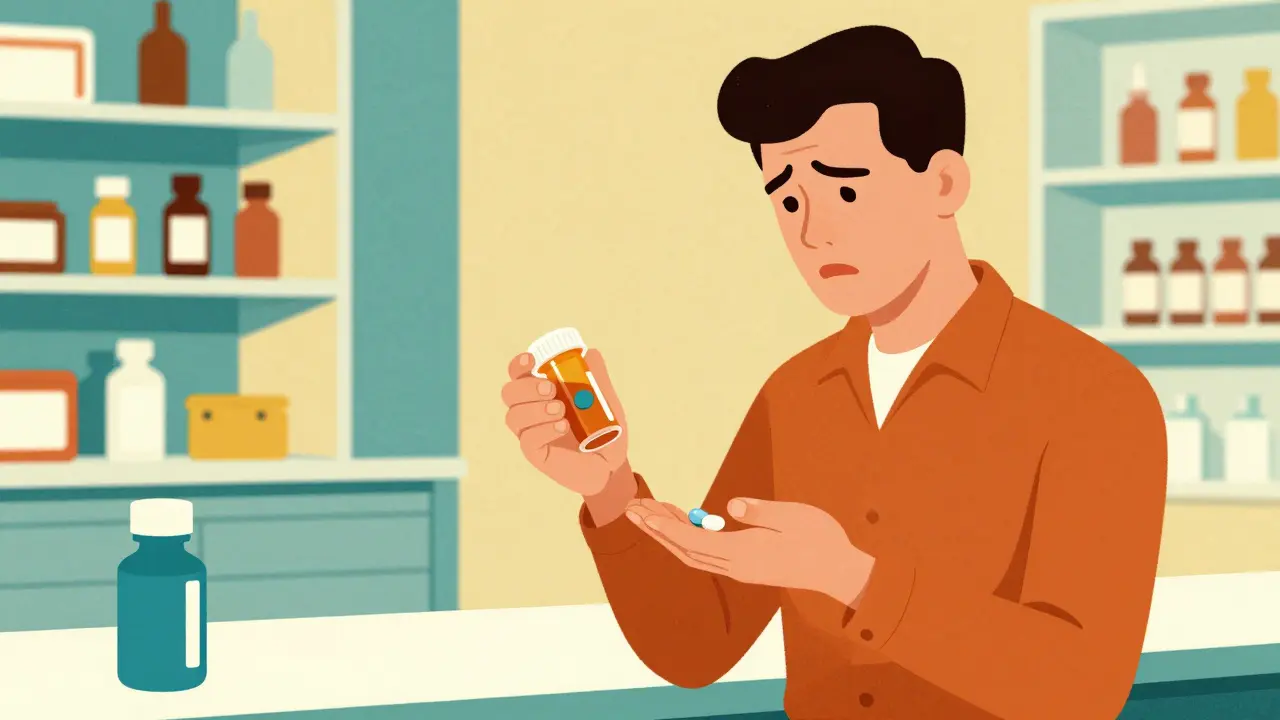
The Science of Sameness: What Bioequivalence Actually Means
One of the biggest hurdles in switching is the belief that generics are "lite" versions of the original. In reality, the FDA is the federal agency responsible for ensuring that generic drugs are bioequivalent to their brand-name counterparts. To get approved, a generic must prove it has the same active ingredient, strength, and dosage form.
The technical term is Bioequivalence. This means the drug must reach the same peak concentration (Cmax) and provide the same total exposure (AUC) in the bloodstream. The FDA allows a small window of variability-usually 80-125%-but here is the kicker: brand-name drugs have that same level of variation between different batches of the same product. If you aren't noticing a difference between two bottles of the brand name, you likely won't notice a pharmacological difference in the generic.
However, generics can have different inactive ingredients, such as fillers or dyes. While these don't change how the drug treats your condition, they can occasionally cause allergic reactions in a small number of people (about 3.7% of patients). This is the only real chemical difference, and it's why some people feel a change even when the active medicine is identical.
Why the "Look" Matters More Than the Label
It sounds strange, but a pill's appearance can actually change how it works in your mind. Research shows that simply changing a label from "Brand" to "Generic" can increase the rate of people stopping their medication by over 23%, even when the pill is a placebo. This is the nocebo effect-where the expectation of a negative outcome actually creates a negative experience.
For elderly patients, this is more than just psychological; it's a safety issue. Nearly 28% of seniors report confusion when a pill changes shape or color. When you're taking five or ten different medications, a change in appearance can lead to taking the wrong dose or skipping a pill because you don't recognize it. This is why visual consistency is so critical for long-term compliance.
| Medication Class | Adherence Trend | Primary Driver |
|---|---|---|
| Statins (Cholesterol) | Higher Adherence | Lower cost/copays improve access |
| Antihypertensives (Blood Pressure) | Lower Adherence | Higher discontinuation rates |
| Antidepressants | Significantly Lower | Sensitivity to formulation changes |
| Narrow Therapeutic Index (e.g., Warfarin) | High Risk | Small variations can lead to hospitalization |
High-Risk Transitions: When "Same" Isn't Enough
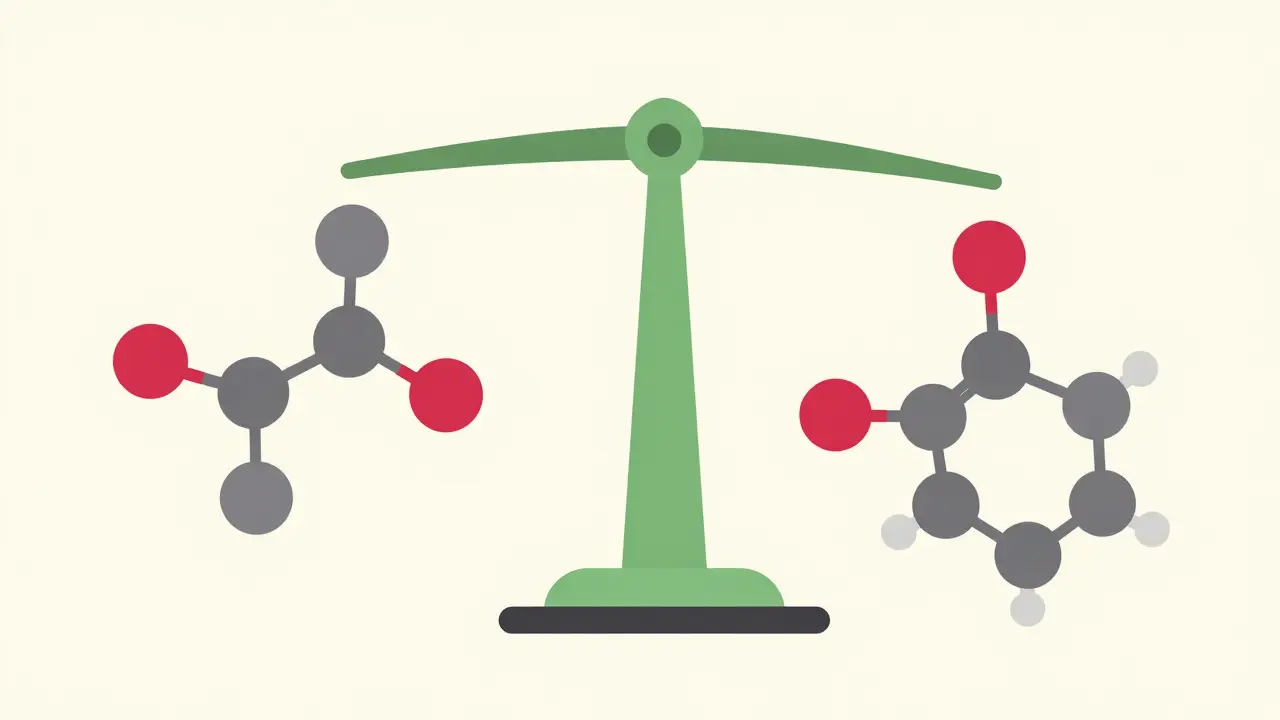
While most generics are a safe bet, there is a category called Narrow Therapeutic Index (NTI) drugs. For these medications, the difference between a therapeutic dose and a toxic dose is very small. Examples include levothyroxine for thyroid issues or warfarin for blood clotting.
In these specific cases, even the tiny 20% variability allowed by the FDA can be clinically meaningful. Some studies have shown slightly higher hospitalization rates for patients on generic NTI drugs compared to the brand name. If you are taking a medication where a tiny shift in dose can cause a major health event, you should have a direct conversation with your doctor about whether a brand-to-generic switch is appropriate for your specific biology.
Best Practices for a Seamless Switch
The secret to a successful transition is communication. Most adherence failures happen because a patient receives a new bottle and is left to figure out the changes on their own. To avoid this, use these concrete strategies:
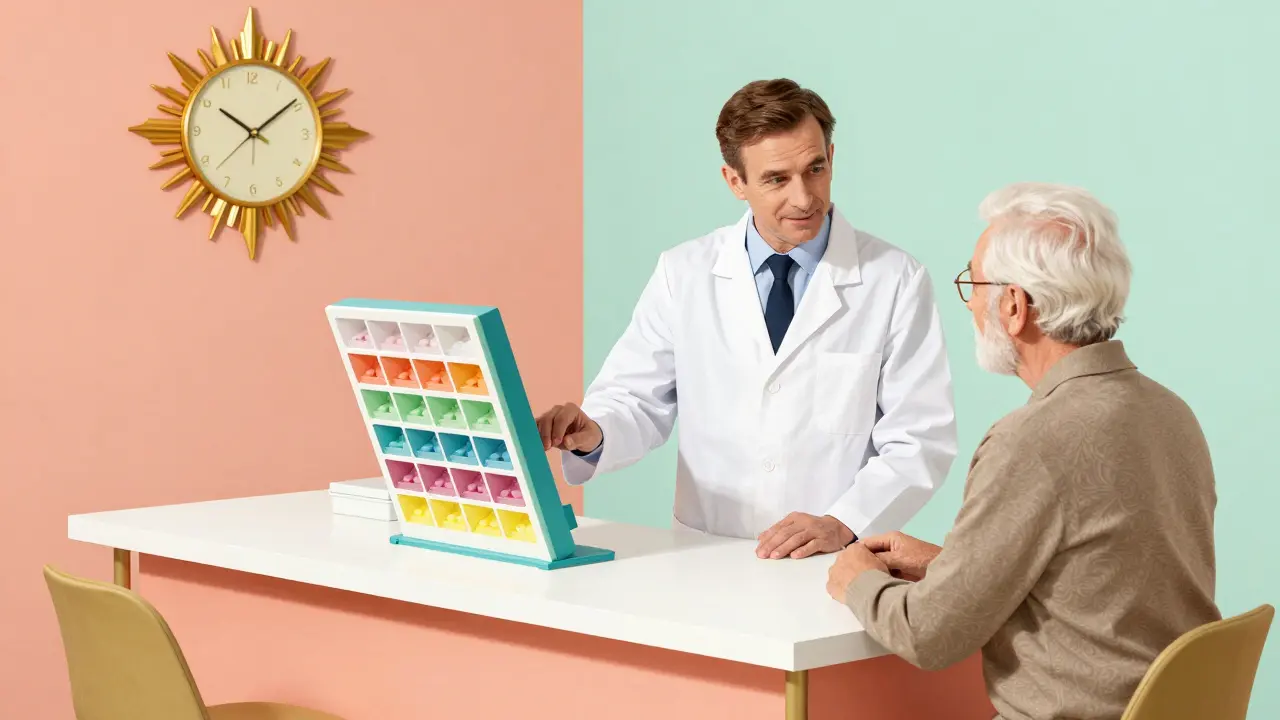
- Demand a "Transition Talk": Don't just take the bag at the counter. Ask the pharmacist to explain the bioequivalence of the new drug. A three-to-four minute conversation covering the cost benefits and appearance changes can significantly boost your confidence.
- Use a Pill Organizer: This is the single best way to overcome appearance confusion. When the pill is in a labeled slot for "Monday Morning," the color or shape of the pill matters less than the fact that it's in the right spot.
- Request Manufacturer Consistency: If you are on a critical medication, ask your pharmacist if they can consistently source the generic from the same manufacturer. This prevents the pill from changing appearance every time the pharmacy switches suppliers.
- Track Your Symptoms: For the first two weeks of a switch, keep a simple log. If you feel a new side effect, note it down. This helps you and your doctor determine if it's a real reaction to an inactive ingredient or a psychological nocebo effect.
The Role of Modern Tech and Pharmacy Programs
We are seeing a shift in how pharmacies handle these transitions. Medication Synchronization programs, which align all your refills to one date, have been shown to improve adherence for generic users by over 18%. It removes the stress of multiple trips and ensures the pharmacist can review all your meds at once.
There are also AI-driven tools now appearing in the market. Some platforms use computer vision to verify that a patient is taking the correct pill, which is especially helpful during the confusing first few weeks of a brand-to-generic switch. These tools act as a digital safety net, confirming that the new, differently-colored pill is indeed the correct medication.
Why does my generic pill look different from the brand name?
Generic manufacturers are not allowed to make their pills look exactly like the brand-name version for trademark reasons. While the active medicine is the same, the dyes and shapes differ. This is purely aesthetic and does not affect how the drug works.
Can I actually feel a difference when switching to a generic?
Yes, but it's often not because of the active ingredient. Inactive ingredients (fillers, binders, or coatings) can vary and may cause mild reactions in some people. Additionally, the "nocebo effect" can make you perceive a drop in efficacy simply because you expect the generic to be inferior.
Are generics cheaper because they are lower quality?
No. Generics are cheaper because the manufacturer didn't have to pay for the original research, development, and clinical trials that the brand-name company did. They are held to the same FDA standards for safety and efficacy.
What should I do if I think my generic isn't working?
Do not stop taking your medication abruptly. Contact your doctor or pharmacist immediately. They can help determine if you're experiencing a genuine reaction to an inactive ingredient or if you need a specific brand-name prescription (sometimes called a "dispense as written" order).
Which medications are most risky to switch to generics?
Drugs with a Narrow Therapeutic Index (NTI), such as warfarin or certain thyroid medications, carry more risk because very small changes in blood concentration can impact health. Always consult a specialist before switching these specific types of medication.
Next Steps for Patients and Caregivers
If you are managing medications for an elderly parent, your priority should be visual stability. Check with the pharmacy to see if they can provide the same generic manufacturer every time. If a switch is inevitable, update your pill organizer immediately and spend a few minutes showing them the new pill next to the old one so they recognize it.
For those managing their own chronic conditions, the best move is to utilize a pharmacist's expertise. Don't be afraid to ask for a "counseling session" during your next refill. Understanding that the 80-125% bioequivalence range is a standard you're already experiencing with brand-name batches can take the fear out of the transition and keep you on track with your health goals.
Write a comment