
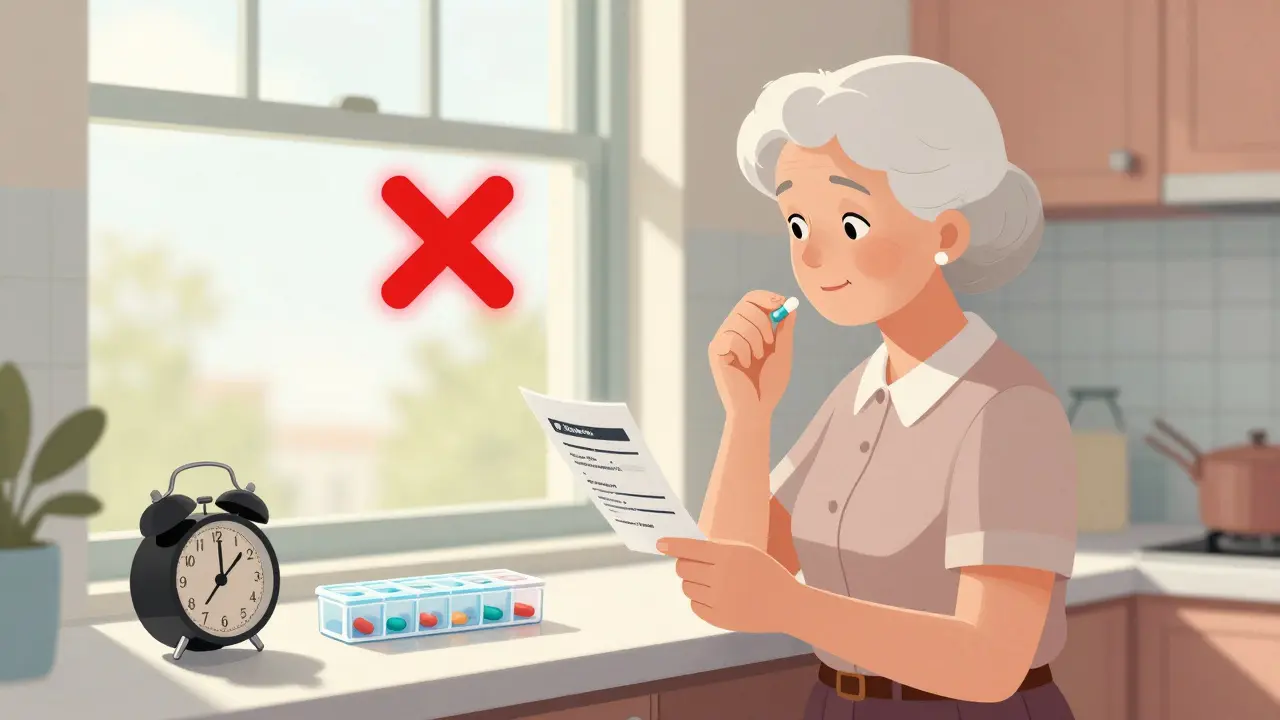
Missing a dose of your medication happens to almost everyone at some point. Maybe you were rushed in the morning, forgot while traveling, or just lost track of time. The instinct is often to make up for it by taking two pills at once. But that’s not just a bad idea-it can be dangerous. Never double up unless your doctor or pharmacist specifically tells you to. Most of the time, it’s safer to skip the missed dose entirely.
Why Doubling Up Is Risky
Taking two doses at once might feel like you’re getting back on track, but it can push your drug levels into a dangerous range. This is especially true for medications with a narrow therapeutic index-meaning the difference between an effective dose and a toxic one is very small. Drugs like warfarin, digoxin, and some seizure medications fall into this category. A 2018 study found that 17.3% of adverse drug events in older adults came from people trying to fix missed doses by doubling up. For example, doubling a warfarin dose can send your INR (a blood clotting measure) soaring past 5.0, which puts you at high risk of serious bleeding. The NHS and FDA both warn that doubling doses accounts for over 14% of preventable hospital admissions related to medication errors in England alone. Even for drugs that seem harmless, like blood pressure pills or statins, doubling up can cause side effects like dizziness, nausea, low blood pressure, or muscle pain. And for some, like methotrexate, it can be life-threatening. The NHS specifically says: “Never take a double dose of methotrexate.”How to Decide What to Do-It Depends on the Drug
There’s no one-size-fits-all rule. What you do after missing a dose depends on three things: how often you take the medication, its half-life (how long it stays in your body), and how risky it is.Once-Daily Medications
If you take a pill just once a day and you realize you missed it:- If it’s still the same day, take it as soon as you remember.
- If it’s already the next day, skip it. Don’t take two the next morning.
Twice-Daily Medications
For drugs taken every 12 hours (like some antibiotics, beta-blockers, or insulin), the window is tighter. If you miss a dose:- If it’s been less than 6 hours since your scheduled time, take it now.
- If it’s been more than 6 hours, skip it and wait for your next dose.
High-Risk Medications
Some drugs need special rules. Here are a few key examples:- Warfarin: If you miss your dose before midnight, take it then. If you remember after midnight, skip it. Never double up.
- Oral contraceptives: If you miss an active pill by less than 12 hours, take it right away. If it’s more than 12 hours late, take it as soon as you remember but use backup contraception for the next 7 days.
- GLP-1 weight loss drugs (semaglutide, tirzepatide): You can take a missed dose up to 4 days late-but never double up. After two missed doses, you may feel nauseous when you restart.
- Antiepileptics: Even one missed dose can trigger a seizure. If you miss a dose, take it as soon as you remember, unless it’s almost time for the next one. Then skip it.
What About Antibiotics?
Most antibiotics follow the same rule: don’t double up. But there’s a rare exception. For some short-acting antibiotics like amoxicillin, doctors may sometimes advise taking the missed dose if you remember within a few hours. This is because the goal is to keep drug levels high enough to kill bacteria. Still, this only applies to less than 3% of antibiotics. Don’t assume your antibiotic is one of them. Always check the leaflet or call your pharmacist. A 2022 review found that 41.7% of patient leaflets give unclear or conflicting advice about missed doses, especially for antibiotics.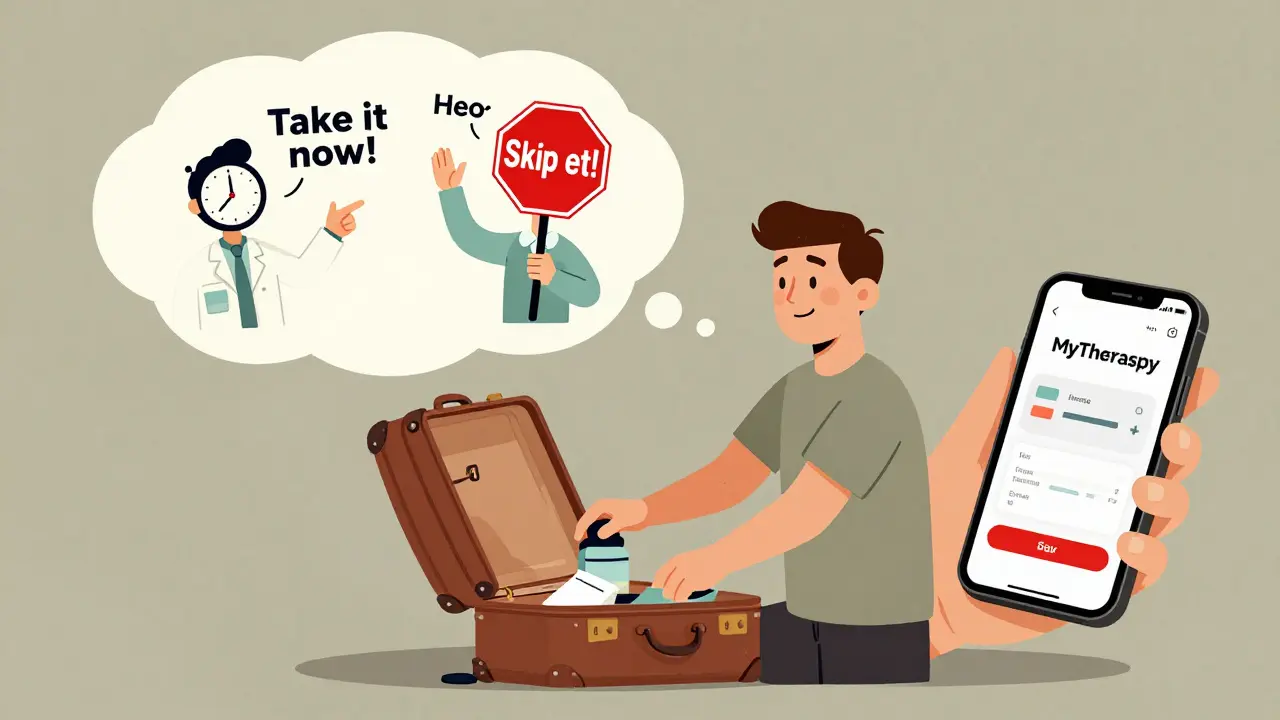
Why Instructions Are So Confusing
You’re not imagining it-guidance on missed doses is all over the place. A 2021 review found that 25% of high-risk medications (called “red” category) had no missed dose instructions in their official patient leaflets. Even worse, 28% of levothyroxine leaflets incorrectly say to take missed doses immediately, no matter when you remember. Pharmacies often give different advice too. One patient reported getting three different answers from three different pharmacists about her blood pressure pill. That’s not just frustrating-it’s dangerous. The Royal Pharmaceutical Society says this inconsistency is a major contributor to medication errors. The problem? Drug companies aren’t required to include clear missed dose instructions. The MHRA pushed for changes in 2022, requiring all high-risk drugs to have standardized guidance by December 2024. Until then, you need to be your own advocate.What to Do Right Now
If you’ve missed a dose, here’s your simple action plan:- Don’t panic. One missed dose won’t ruin your treatment for most medications.
- Check the leaflet. Look for the “What if I miss a dose?” section. If it’s missing or vague, move to step 3.
- Call your pharmacist. They know your meds, your dose schedule, and your health history. They can give you the right advice in seconds.
- Don’t guess. If you’re unsure, skip the dose. It’s safer than doubling up.
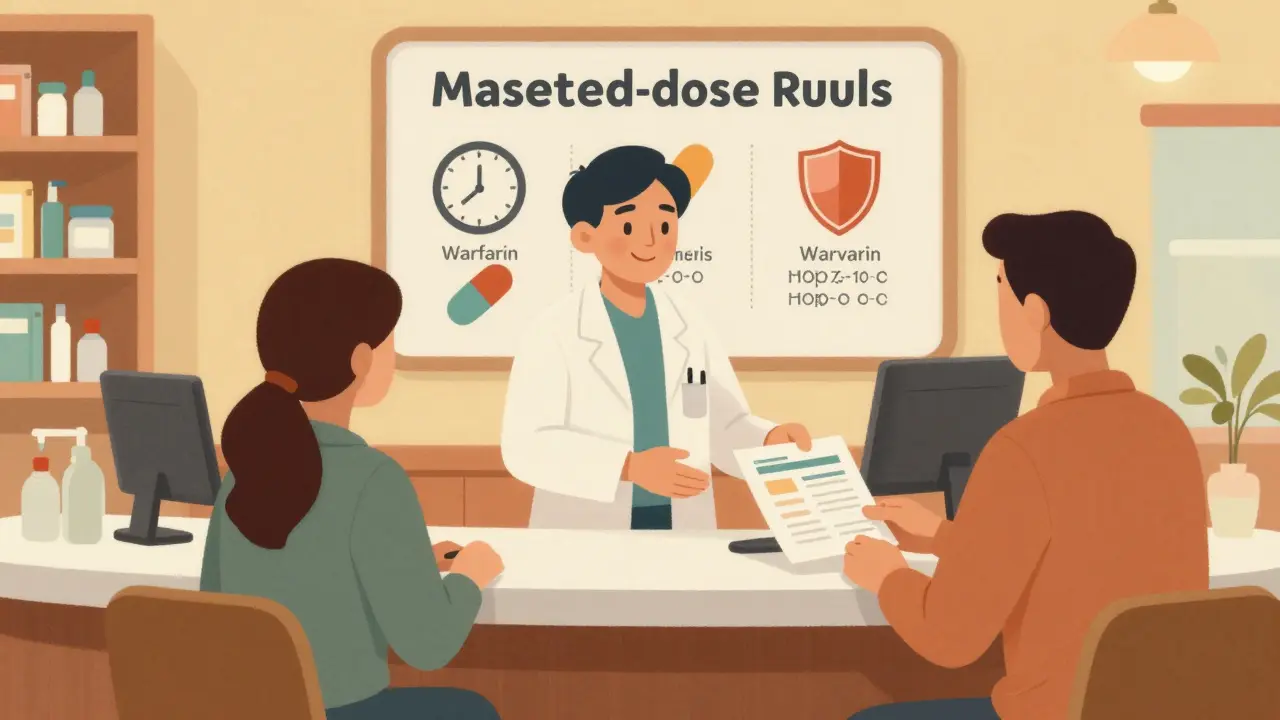
- Set a reminder. Use your phone, a pill box with alarms, or an app like MyTherapy. Users of adherence apps report a 42.3% drop in missed doses.
Special Cases: Travel, Time Changes, and Aging
Traveling across time zones? Daylight saving time? These throw off even the most organized people.- When traveling, try to keep your usual schedule based on your home time zone for the first few days.
- Once you’re settled, adjust gradually. For example, shift your dose by 1-2 hours each day until you match local time.
- For elderly patients managing multiple pills, confusion is common. A 2022 NHS report found that 28.7% of missed dose incidents involved insulin, and 19.3% involved warfarin-both high-risk.
When to Seek Help
If you accidentally took a double dose, don’t wait. Call your pharmacist or go to the nearest urgent care. Signs of overdose include:- Severe dizziness or fainting
- Unusual bleeding or bruising
- Extreme fatigue or confusion
- Fast or irregular heartbeat
- Nausea, vomiting, or seizures
Bottom Line: Safety Over Speed
Missing a dose doesn’t mean you’ve failed. It means you’re human. The goal isn’t perfection-it’s safety. Skipping a dose when you’re unsure is always better than doubling up. Most medications are designed to handle a missed dose without losing effectiveness. Your body doesn’t need a rush of drugs to catch up-it needs steady, safe levels. If you’re ever in doubt, reach out. Your pharmacist is your best resource. They’re trained to help you navigate these situations-not to judge you.Build a habit: write down your dosing schedule. Set reminders. Keep a small notebook with your meds and what to do if you miss one. It takes just minutes-but it could save your life.
What should I do if I miss a dose of my blood pressure medication?
If you take your blood pressure pill once a day and realize you missed it within the same day, take it as soon as you remember. If it’s already the next day, skip the missed dose and take your next pill at the regular time. Never double up. For twice-daily blood pressure meds, take the missed dose only if it’s been less than 6 hours since your scheduled time.
Can I take two pills the next day if I missed one yesterday?
No. Taking two pills the next day can overload your system and cause side effects like low blood pressure, dizziness, or even organ damage. Your body processes medication over time. Doubling up doesn’t make up for the missed dose-it creates a new risk. Stick to your regular schedule.
Why do some pills say to skip the missed dose while others say to take it?
It depends on the drug’s half-life and how tightly its levels need to be controlled. Drugs with short half-lives (like antibiotics or insulin) need more consistent levels, so you might be told to take a late dose. Drugs with long half-lives (like warfarin or thyroid meds) stay in your system longer, so skipping a late dose is safer. Always follow the specific instructions for your medication.
Is it safe to double up on antibiotics if I miss a dose?
Almost never. While a few short-acting antibiotics like amoxicillin might allow a late dose within a few hours, doubling up is not recommended. The goal is to maintain steady levels to kill bacteria, not spike them. Doubling can cause side effects like stomach upset or diarrhea. Always check with your pharmacist before adjusting your dose.
What if I forget my medication while traveling?
If you’re traveling across time zones, try to stick to your home time zone schedule for the first few days. Once settled, shift your doses gradually by 1-2 hours per day. If you miss a dose, follow the standard rules: take it if it’s still the same day (or within 6 hours for twice-daily meds), otherwise skip it. Always carry extra pills in your carry-on and keep a list of your meds and dosing instructions.
How can I prevent missing doses in the future?
Use a pill organizer with alarms, set phone reminders, or try a medication app like MyTherapy. Link taking your pills to daily habits-like brushing your teeth or eating breakfast. If you’re on multiple meds, ask your pharmacist for a Medicines Use Review. These free sessions help simplify your routine and reduce errors by nearly 30%.


Write a comment