
Polypharmacy Risk Calculator
Assess Your Risk
Risk Results
Enter your age and medication count to see your risk level
Prevention Tips
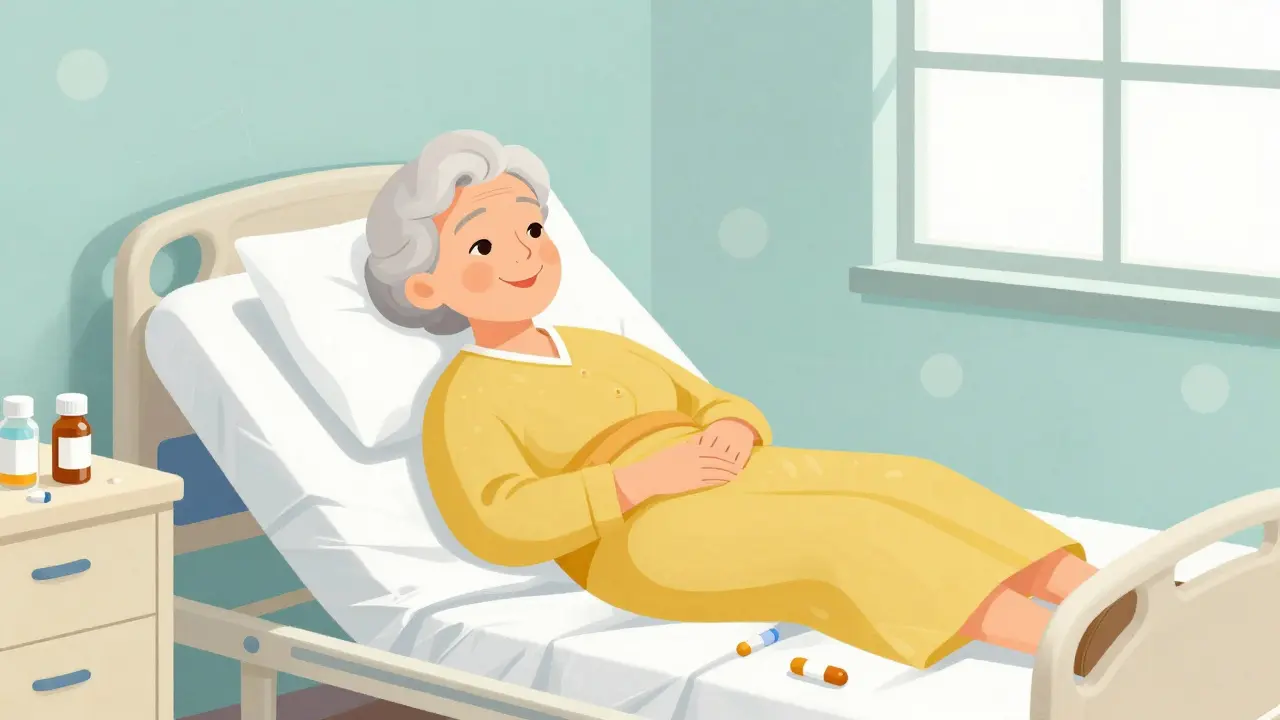
Every year, over 1 million older adults in the U.S. end up in the hospital because of medication side effects. This isn't just a numbers game-it's about real people facing preventable harm. Why does this happen? It's not just about taking too many pills-it's how our bodies change as we age. These changes make older adults more vulnerable to elderly medication side effects.
Why Elderly Patients Experience More Side Effects
As people age, their bodies change in ways that affect how medications work. For example, liver blood flow decreases by 30-40% between ages 25 and 75. This slows down drug metabolism. Kidney function also declines-Glomerular Filtration Rate (GFR)A measure of kidney function that indicates how well the kidneys filter waste from the blood drops by about 0.8 mL/min/1.73m² each year after age 40. Body fat increases too, which changes how drugs are distributed. These physiological shifts mean medications stay in the body longer and can cause more side effects.
These changes are why older adults face higher risks from elderly medication side effects. The Beers CriteriaA set of guidelines identifying medications that may be inappropriate for older adults, developed by the American Geriatrics Society was first created in 1991 to address this issue. Since then, it's been updated multiple times to reflect new research. According to the American Academy of Family Physicians in 2013, adverse drug reactions (ADRs) occur in 15% or more of older patients across office, hospital, and extended care settings. That's more than twice the rate seen in younger adults.
High-Risk Medications for Seniors
Certain drugs are particularly dangerous for older adults. For instance, pentazocine-a narcotic painkiller-causes confusion and hallucinations more often than other opioids because of its mixed agonist-antagonist properties. Indomethacin, a common NSAID, has the highest rate of central nervous system side effects among nonsteroidal anti-inflammatory drugs. Even over-the-counter medications like diphenhydramine (Benadryl) can cause drowsiness and confusion in seniors.
The Beers CriteriaA set of guidelines identifying medications that may be inappropriate for older adults, developed by the American Geriatrics Society lists specific drugs to avoid. Megestrol (Megace), used for appetite stimulation, is now flagged due to risks of blood clots and hormonal issues. Glyburide, a diabetes medication, can cause severe low blood sugar in elderly patients. Sliding-scale insulin regimens also pose risks, especially for those with cognitive impairments.
Drug interactions are another major concern. Combining corticosteroids with NSAIDs increases peptic ulcer risk by 15 times. Similarly, using blood thinners like warfarin with NSAIDs dramatically raises the chance of dangerous bleeding. These combinations are especially dangerous for seniors due to their reduced ability to process medications.
Recognizing Side Effects in Seniors
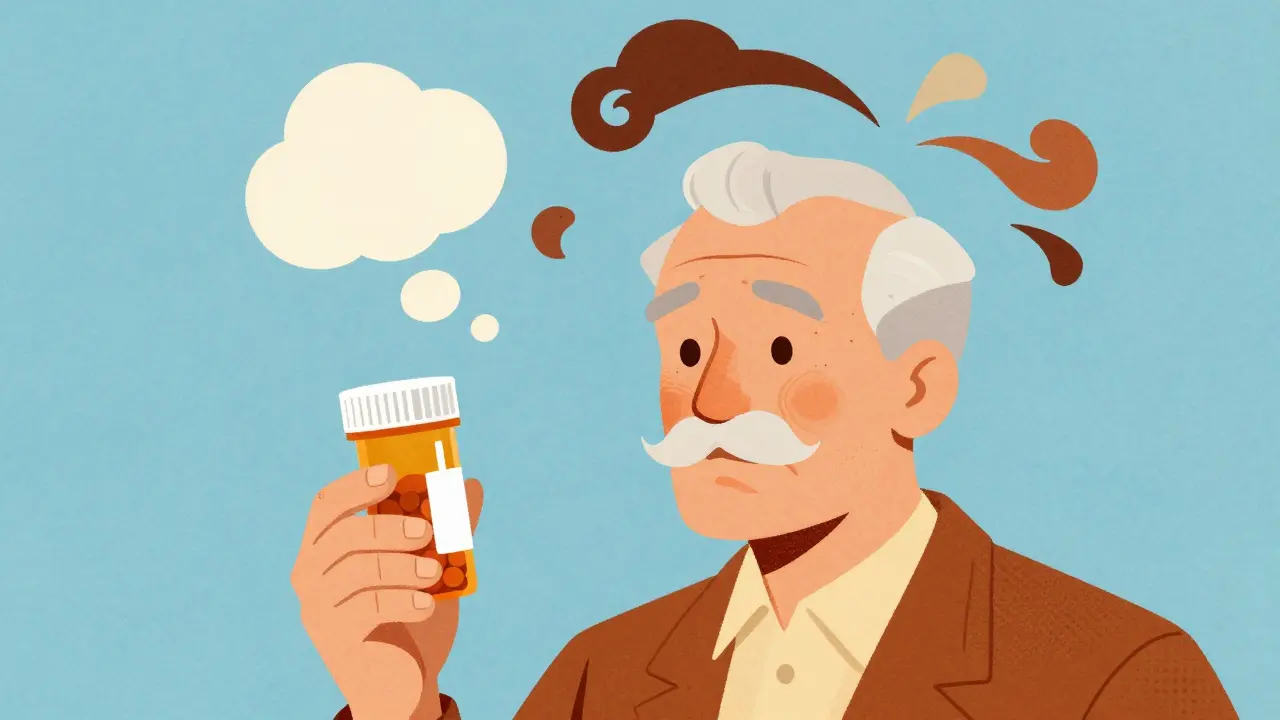
Older adults often show unusual symptoms from medication side effects. Instead of typical reactions like rashes or stomach pain, they might experience confusion, dizziness, or falls. According to HealthinAging.orgA trusted resource for seniors' health information, maintained by the American Geriatrics Society's 2023 update, 20-30% of falls in older adults are directly caused by medications. Weight loss or gain, memory problems, and changes in mood are also common signs.
These symptoms are easy to miss because they're often mistaken for normal aging. A senior who starts stumbling might be diagnosed with "old age" instead of a medication issue. That's why healthcare providers must specifically ask about these changes during checkups. Patients should report any new symptoms immediately to their doctor or pharmacist.
Steps to Prevent Harmful Side Effects
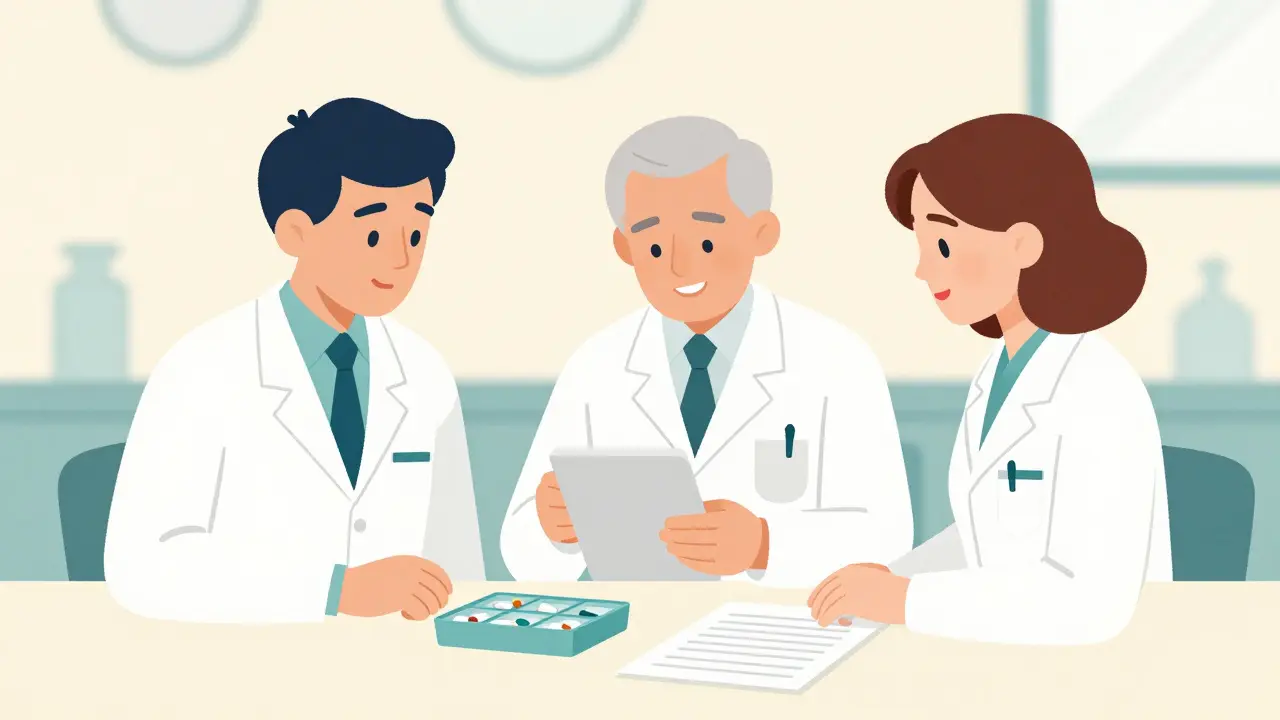
Preventing medication side effects in seniors starts with thorough reviews. Every medication should be evaluated for necessity, especially when multiple doctors are involved. PolypharmacyThe concurrent use of five or more medications, which significantly increases adverse reaction risk-taking five or more medications-significantly increases risk. A study published in the Journal of the American Geriatrics Society found that seniors on four or more drugs have a 50% higher chance of experiencing adverse reactions.
Deprescribing is a key strategy. This means safely stopping medications that aren't needed or are causing harm. For example, stopping unnecessary sedatives can reduce fall risk. Pharmacists play a critical role here. They can review all medications, including over-the-counter drugs and supplements, to spot potential issues. The American Geriatrics Society recommends regular medication reviews with a pharmacist for older adults.
Patients should keep a complete list of all medications-prescription, OTC, vitamins, supplements-and share it with every healthcare provider. This simple step can prevent dangerous interactions. For instance, a senior taking blood thinners might not realize that ginkgo biloba supplements can increase bleeding risk. Clear communication is vital.
How Caregivers and Pharmacists Help
Caregivers and pharmacists are essential partners in managing medication safety. Pharmacists can identify drug interactions that doctors might miss. They also help simplify dosing schedules, which is crucial for seniors with cognitive issues. Many pharmacies now offer medication therapy management services specifically for older adults.
For caregivers, understanding the medications is key. Knowing why each drug is prescribed and what side effects to watch for makes a big difference. Simple tools like pill organizers or reminders can improve adherence and reduce errors. The STOPP/START criteriaA tool for identifying potentially inappropriate prescriptions and missed opportunities for treatment in older adults provides guidance for healthcare teams on when to stop or start medications.
Dr. C. Seth Landefeld, Chair of Medicine at the University of Alabama at Birmingham, states: "In frail, multimorbid older adults treated with polypharmacy, ADRs are frequently associated with significant health burden and hospitalization." This highlights the need for a team approach-doctors, pharmacists, nurses, and caregivers all working together.
What are common side effects of medications in elderly patients?
Elderly patients often experience non-specific symptoms like confusion, dizziness, falls, weight changes, or memory problems. Unlike younger adults, they rarely show typical reactions like rashes or stomach issues. These symptoms can be mistaken for aging itself, making it harder to link them to medications.
Which medications are most dangerous for seniors?
The Beers CriteriaA set of guidelines identifying medications that may be inappropriate for older adults, developed by the American Geriatrics Society lists several high-risk drugs. Examples include pentazocine (causes confusion), indomethacin (high CNS side effects), glyburide (severe low blood sugar), and megestrol (blood clot risks). Even common OTC drugs like diphenhydramine (Benadryl) can be problematic.
How can polypharmacy increase side effect risks?
Taking five or more medications (polypharmacy) significantly raises the chance of drug interactions and side effects. Each additional drug increases the risk by about 10%. For example, combining blood thinners with NSAIDs can lead to dangerous bleeding. Polypharmacy also strains the body's ability to process medications due to age-related changes in liver and kidney function.
What is deprescribing and why is it important?
Deprescribing means safely stopping medications that are no longer needed or are causing harm. It's crucial for seniors because many older adults take drugs that were prescribed years ago but are no longer necessary. For instance, a medication for a past infection might still be on the list. Deprescribing reduces side effects and improves quality of life. The American Geriatrics Society promotes systematic deprescribing approaches to prevent unnecessary harm.
How can caregivers help manage medication safety?
Caregivers play a vital role by keeping track of all medications, including supplements and OTC drugs. They should share this list with every healthcare provider and ask about potential interactions. Simple steps like using pill organizers, setting reminders, and watching for side effects can prevent emergencies. If a senior shows new symptoms like confusion or falls, caregivers should immediately consult a pharmacist or doctor to check if medications are the cause.


Write a comment