
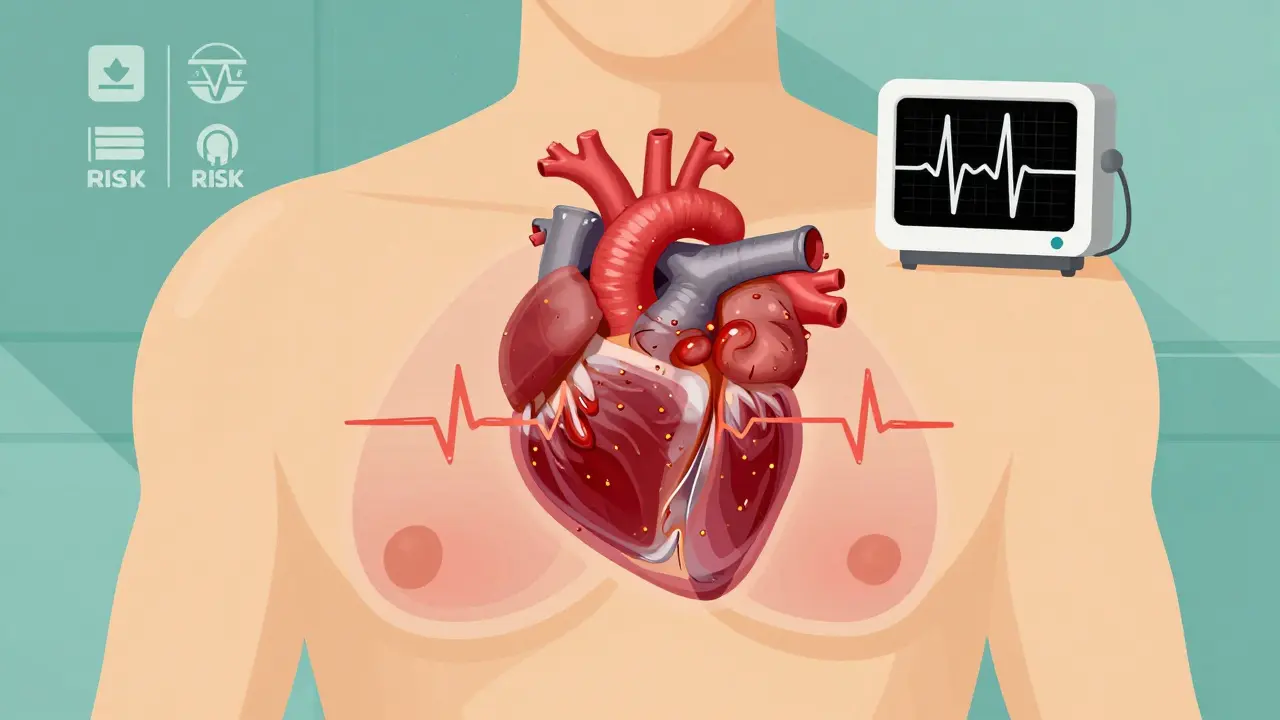
When your heart skips a beat, races too fast, or pounds irregularly, it’s not just a fluttery feeling-it could be a sign of something more serious. These abnormal heart rhythms are called arrhythmias, and they’re more common than most people realize. Three of the most frequent types are atrial fibrillation, bradycardia, and tachycardia. Each affects the heart differently, but all can impact your energy, breathing, and long-term health. Understanding what’s happening inside your chest can help you spot warning signs early and get the right care.
What Is Atrial Fibrillation?
Atrial fibrillation, often called AFib, is the most common serious heart rhythm problem. Instead of beating in a steady rhythm, the upper chambers of the heart (the atria) quiver or fibrillate. This means blood doesn’t move properly, which can lead to clots. Those clots can travel to the brain and cause a stroke. According to the American Heart Association, between 2.7 and 6.1 million Americans live with AFib-and that number is rising as the population ages. Symptoms vary. Some people feel their heart fluttering, racing, or skipping. Others get dizzy, tired, or short of breath during simple activities like walking up stairs. But here’s the catch: about one in three people with AFib don’t feel anything at all. That’s why it’s often found during a routine checkup when a doctor notices an irregular pulse. Doctors diagnose AFib with an electrocardiogram (ECG). If the irregular heartbeat comes and goes, you might need to wear a portable monitor for 24 hours or longer. An echocardiogram can show if there’s structural damage to the heart, and blood tests check for thyroid issues or electrolyte imbalances that might be triggering the rhythm problem. Treatment depends on how long you’ve had AFib, your symptoms, and your overall health. For many, the goal isn’t to restore a normal rhythm right away-it’s to control the heart rate. Medications like beta-blockers or calcium channel blockers help slow the heart down. If your heart rate is under control but you still feel awful, doctors may try rhythm control with drugs like amiodarone or flecainide. If meds don’t work, a procedure called cardiac ablation can help. This uses heat or cold to create tiny scars in the heart tissue that block the faulty electrical signals causing AFib. A newer method, pulsed field ablation (PFA), uses electrical pulses instead of extreme temperatures. It’s faster and may reduce risks like damage to nearby nerves or the esophagus. For some, especially those with permanent AFib, a pacemaker combined with ablation of the AV node can be the best option. Prevention matters too. Managing high blood pressure, losing weight, cutting back on alcohol, and quitting smoking can slow AFib’s progression. Even if you don’t have symptoms yet, these changes help.What Is Bradycardia?
Bradycardia means your heart beats slower than normal-usually fewer than 60 beats per minute. For athletes or very fit people, this is normal. Their hearts are strong and efficient, pumping enough blood with fewer beats. But for others, a slow heart rate can be dangerous. When the heart doesn’t pump enough blood, your brain and muscles don’t get the oxygen they need. That’s when symptoms show up: fatigue, dizziness, fainting, shortness of breath, chest pain, or confusion. In severe cases, bradycardia can lead to heart failure or cardiac arrest. The cause matters. It could be a problem with the heart’s natural pacemaker, the sinoatrial (SA) node. Or the electrical signals might be blocked as they travel from the atria to the ventricles-this is called heart block. Other triggers include hypothyroidism, electrolyte imbalances, sleep apnea, or side effects from medications like beta-blockers or digoxin. Diagnosis starts with an ECG. If the slow rhythm isn’t happening during the test, your doctor might ask you to wear a Holter monitor for a day or two. An exercise stress test can show whether your heart rate increases properly when you’re active. Blood tests check thyroid levels and kidney function, since those can affect heart rhythm. Treatment isn’t always needed. If you’re healthy and asymptomatic, no intervention is required. But if you’re feeling lightheaded or passing out, a pacemaker is often the solution. Modern pacemakers are small devices implanted under the skin near the collarbone. They send electrical pulses to keep your heart beating at a safe rate. They’re reliable, last 5-15 years, and most people return to normal activity within days. In rare cases, if bradycardia is caused by a medication, your doctor might adjust the dose or switch you to something else. Treating underlying conditions like thyroid disease can also restore normal rhythm.What Is Tachycardia?
Tachycardia is when your heart beats faster than 100 beats per minute at rest. It’s not always a problem-exercise, stress, caffeine, or fever can cause a temporary spike. But when it happens without a clear reason, or lasts too long, it becomes dangerous. There are different types. Supraventricular tachycardia (SVT) starts above the ventricles and often comes on suddenly. Ventricular tachycardia (VT) starts in the lower chambers and is more serious-it can lead to sudden cardiac arrest. Atrial flutter is another form, where the atria beat rapidly but in a more organized pattern than AFib. Symptoms include palpitations, chest pain, shortness of breath, lightheadedness, or fainting. In some cases, people feel fine until they collapse. That’s why it’s important not to ignore a racing heart, especially if it happens often or lasts more than a few minutes. Diagnosis begins with an ECG. If the episode isn’t happening during the test, you might need an event monitor or implantable loop recorder. An echocardiogram checks for structural heart disease. Blood tests look for anemia, thyroid problems, or infection. Treatment depends on the type and severity. For SVT, a simple technique called the Valsalva maneuver-holding your breath and bearing down-can sometimes stop the rhythm. Medications like adenosine or beta-blockers are often used. If episodes keep coming back, ablation is highly effective, with success rates over 90% for many types of SVT. For ventricular tachycardia, the stakes are higher. If you’ve had a heart attack or have weakened heart muscle, you might need an implantable cardioverter-defibrillator (ICD). This device monitors your heart and delivers a shock if it detects a life-threatening rhythm. Medications like amiodarone or sotalol are also used to prevent episodes. Lifestyle changes help too. Reducing caffeine, avoiding illegal drugs like cocaine or methamphetamine, managing stress, and controlling high blood pressure can reduce how often tachycardia happens.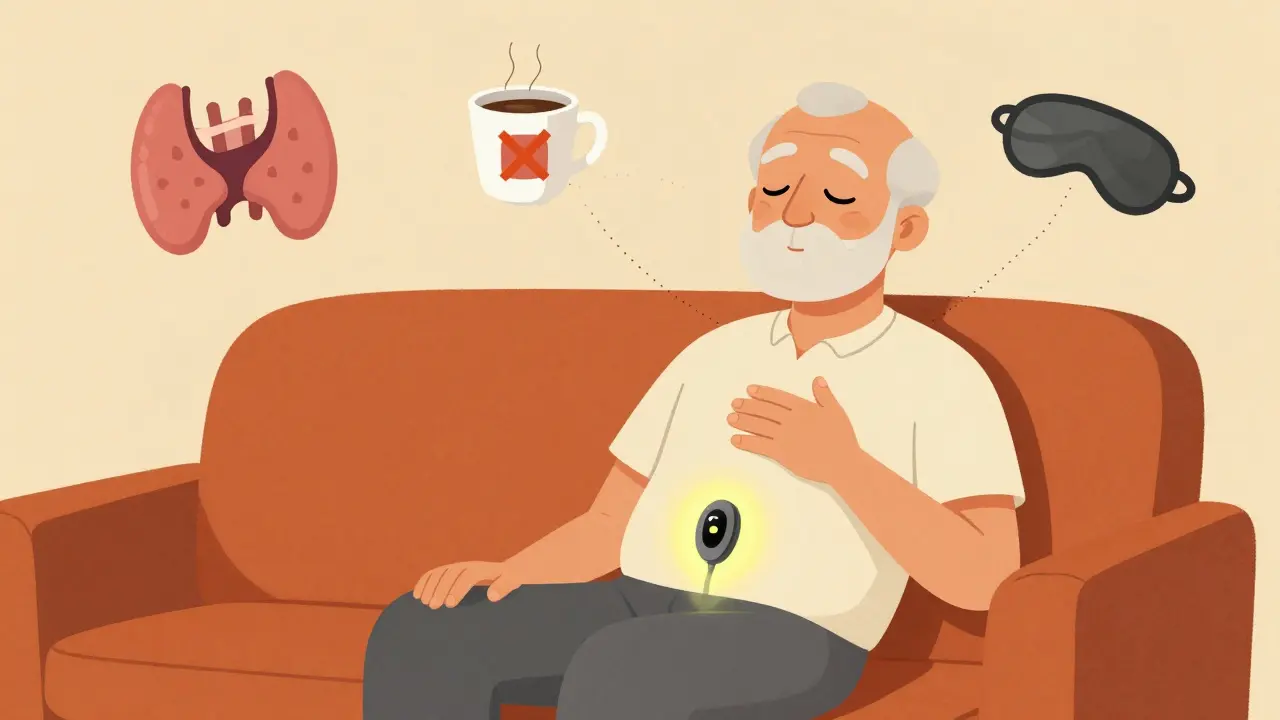
How These Arrhythmias Compare
| Feature | Atrial Fibrillation | Bradycardia | Tachycardia |
|---|---|---|---|
| Heart Rate | Irregular, often over 100 bpm | Less than 60 bpm | More than 100 bpm |
| Origin | Atria (upper chambers) | SA node or conduction system | Atria or ventricles |
| Common Symptoms | Palpitations, fatigue, dizziness, shortness of breath | Fatigue, dizziness, fainting, chest pain | Palpitations, lightheadedness, chest pain, fainting |
| Primary Risk | Stroke | Low blood flow, organ damage | Heart failure, sudden cardiac arrest |
| Common Treatments | Rate control meds, anticoagulants, ablation, pacemaker | Pacemaker, treat underlying cause | Medications, ablation, ICD (for VT) |
| Diagnostic Tool | ECG, Holter monitor | ECG, Holter monitor, stress test | ECG, event monitor, echocardiogram |
Each of these arrhythmias has unique triggers, risks, and treatments. But they share one thing: early detection saves lives. Many people wait too long to get checked, thinking their symptoms are just stress or aging. But heart rhythm problems don’t fix themselves-they often get worse.
When to See a Doctor
You don’t need to panic every time your heart skips. But if you notice any of these, it’s time to call your doctor:- Your pulse feels irregular, racing, or pounding without reason
- You feel dizzy or faint, especially when standing up
- You get short of breath during normal activities
- You have chest pain that doesn’t go away
- You’ve passed out, even briefly
- You have a family history of sudden cardiac arrest or heart rhythm disorders
Don’t wait for symptoms to get worse. A simple ECG can rule out serious problems-or catch them early enough to prevent complications.
Living With an Arrhythmia
Most people with arrhythmias live full, active lives. The key is managing the condition, not just treating it. That means:- Taking medications exactly as prescribed
- Attending follow-up appointments for monitoring
- Keeping track of symptoms in a journal
- Avoiding triggers like excessive caffeine, alcohol, or stimulants
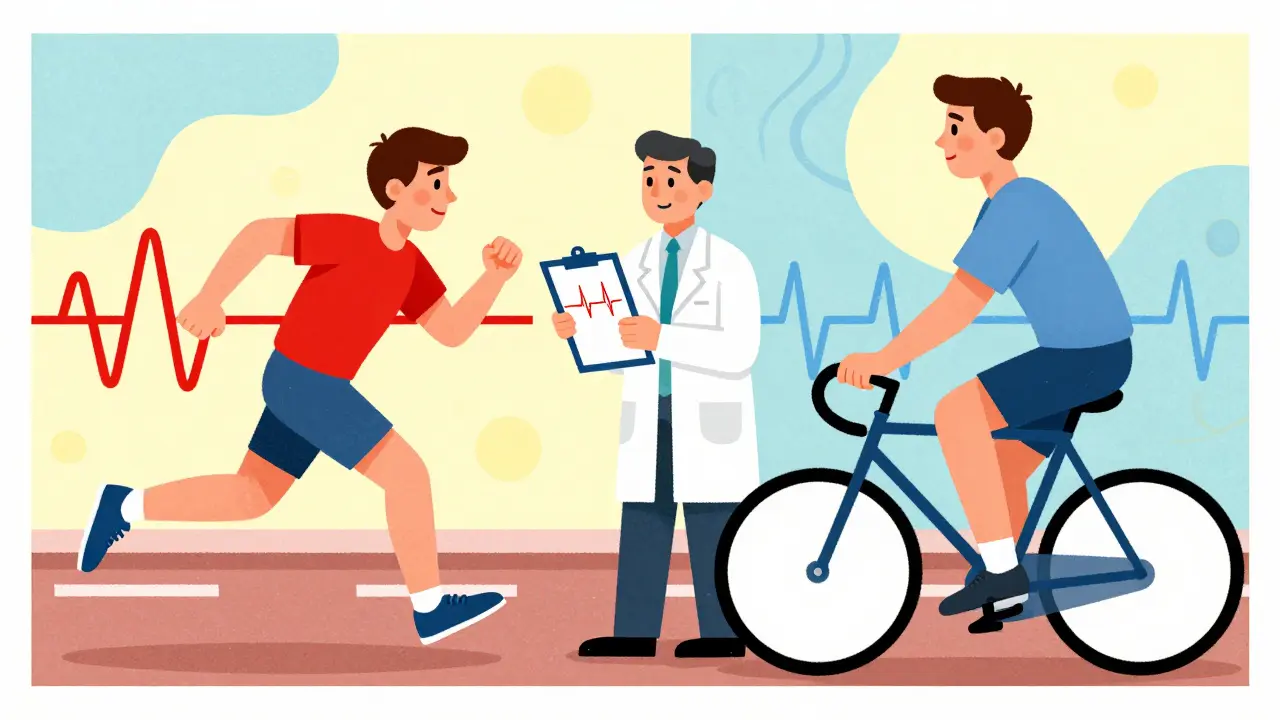
- Exercising regularly, but not overdoing it-especially if you have VT or severe AFib
- Managing stress with sleep, breathing exercises, or therapy
Many devices now sync with smartphone apps, so you can share your heart rhythm data with your doctor remotely. This makes follow-up easier and catches problems before they become emergencies.
Support groups and online resources like the Heart Rhythm Society’s UpBeat.org offer practical advice from others who’ve been there. You’re not alone-and help is always available.
Can arrhythmias go away on their own?
Sometimes, yes-especially if it’s caused by temporary factors like stress, caffeine, or illness. But if the arrhythmia keeps coming back, or if it’s linked to heart disease, it won’t fix itself. Left untreated, conditions like atrial fibrillation can lead to stroke, and ventricular tachycardia can cause sudden death. Don’t assume it’ll disappear.
Is a slow heart rate always bad?
No. Athletes and very fit people often have resting heart rates below 60 bpm-and that’s healthy. The problem is when a slow heart rate causes symptoms like dizziness, fatigue, or fainting. That means your heart isn’t pumping enough blood to meet your body’s needs. If you feel fine with a slow pulse, you likely don’t need treatment.
Can I exercise if I have an arrhythmia?
Most people can-and should. Regular exercise improves heart health and can reduce arrhythmia episodes. But the type and intensity matter. If you have ventricular tachycardia or severe AFib, avoid high-intensity workouts until your doctor clears you. Low-impact activities like walking, swimming, or cycling are usually safe and recommended.
Do all arrhythmias require medication?
No. Some people only need lifestyle changes or monitoring. Others benefit from procedures like ablation or a pacemaker without ever taking daily pills. Medications are used when they’re the safest and most effective option-but they’re not the only tool available.
Can stress cause arrhythmias?
Yes. Chronic stress triggers adrenaline and cortisol, which can disrupt the heart’s electrical system. This can trigger or worsen arrhythmias like AFib or SVT. Managing stress through sleep, mindfulness, or therapy isn’t just helpful-it’s part of treatment.
What’s the biggest risk with atrial fibrillation?
Stroke. AFib increases stroke risk five times because blood pools in the atria and can form clots. That’s why doctors prescribe blood thinners like apixaban or rivaroxaban-even if you feel fine. Preventing a stroke is far more important than controlling every skipped beat.
Next Steps If You Suspect an Arrhythmia
If you’ve noticed changes in your heartbeat:- Write down your symptoms: when they happen, how long they last, and what you were doing.
- Check your pulse manually. Is it regular or irregular? Count beats for 30 seconds and multiply by two.
- Make an appointment with your primary care provider or a cardiologist.
- Bring your symptom log and a list of all medications you take.
- Ask about getting an ECG. It’s quick, painless, and often covered by insurance.
Early action doesn’t mean you’ll need surgery or lifelong meds. It just means you’re taking control-before the problem gets worse.


Write a comment