
When your body breaks down purines—found in foods like red meat, seafood, and beer—it produces uric acid, a waste product that normally dissolves in blood and leaves the body through urine. Also known as serum urate, high levels of this substance can form sharp crystals in your joints, leading to sudden, intense pain known as gout. This isn’t just about diet. Genetics, kidney function, and even some medications can cause uric acid to build up, even if you eat clean.
People with consistently high uric acid often end up dealing with gout, a painful form of arthritis that strikes suddenly, often in the big toe. But it’s not just about the flare-ups. Over time, those crystals can damage joints, cause kidney stones, and even harm your kidneys. That’s why managing uric acid isn’t optional—it’s essential for long-term joint and kidney health. You’ll find posts here that break down how colchicine, a drug used to stop gout attacks by calming inflammation works, how allopurinol, a daily pill that reduces how much uric acid your body makes compares to newer options like febuxostat, an alternative that works differently and may be safer for some people, and why some people still end up with flares even when they’re on treatment.
What you won’t find here is guesswork. These articles are grounded in real patient experiences and clinical evidence. You’ll learn why skipping meds after a flare feels fine but is dangerous, how alcohol and sugar quietly raise uric acid levels, and why some people think they’re doing everything right but still get attacks. There’s also advice on what to do if your doctor dismisses your pain, how to tell if your meds are working, and why blood tests alone don’t tell the whole story.
Whether you’re newly diagnosed, tired of flare-ups, or just trying to understand why your joint hurts after steak night, this collection gives you the facts—not the fluff. You’ll walk away knowing what actually lowers uric acid, what doesn’t, and how to talk to your doctor about the right plan for you.
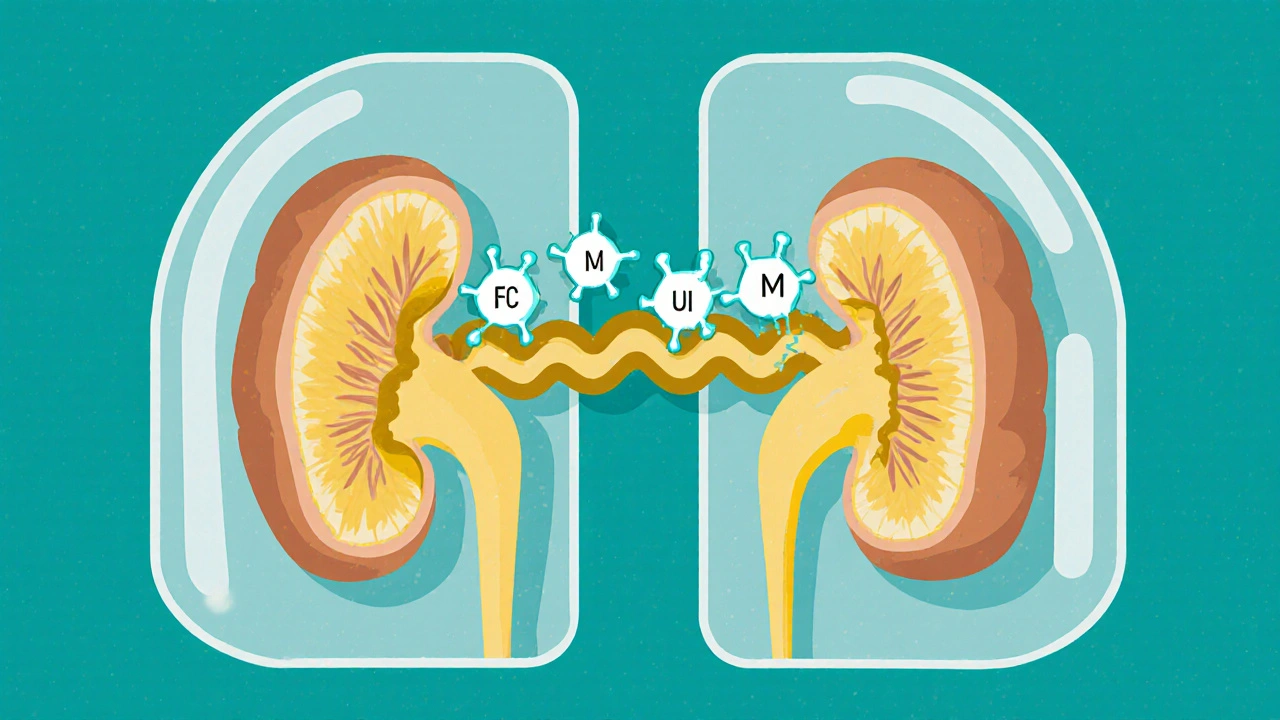
Thiazide diuretics like hydrochlorothiazide are common blood pressure meds, but they can raise uric acid levels and trigger gout. Learn how it happens, who’s at risk, and what alternatives exist.