
When you’re taking tacrolimus, an immunosuppressant drug used to prevent organ rejection after transplants. Also known as Prograf, it keeps your body from attacking your new kidney, liver, or heart—but it can also shake your hands. Tremor from tacrolimus isn’t rare. Up to half of people on this drug report noticeable shaking, especially in the hands. It’s not dangerous on its own, but it can be unsettling, interfere with daily tasks like writing or eating, and make you worry if something worse is happening.
This shaking isn’t just stress or caffeine. It’s a direct neurological effect. Tacrolimus crosses the blood-brain barrier and affects nerve signaling, especially in the cerebellum—the part of your brain that controls fine motor skills. Higher doses, older age, kidney problems, and interactions with other meds like antifungals or calcium channel blockers can make tremors worse. It’s not a sign your transplant is failing, but it is a signal your body is reacting to the drug’s levels. That’s why doctors often check blood levels of tacrolimus when tremors start. If your level is too high, even a small drop can reduce shaking without risking rejection.
Some people think they need to stop tacrolimus to fix the tremor. Don’t. Stopping it can lead to organ rejection, which is far more dangerous. Instead, talk to your transplant team. They might adjust your dose, switch to a different immunosuppressant like cyclosporine, or add a medication like propranolol to calm the nerves. Even simple changes—like avoiding caffeine, getting enough sleep, or reducing stress—can help. If you’re also taking other drugs that cause tremors, like asthma inhalers or antidepressants, your team can check for dangerous overlaps.
What you’ll find in the articles below are real-world stories and science-backed advice about managing side effects like tremor from tacrolimus. You’ll see how others handled similar issues with medications like simvastatin, domperidone, and thiazide diuretics—drugs that also cause unexpected physical reactions. You’ll learn how to talk to your pharmacist about drug interactions, when to push back on insurance blocks, and how to tell if a side effect is just annoying or potentially serious. This isn’t just about shaking hands. It’s about staying on your meds, staying safe, and keeping your life as normal as possible.
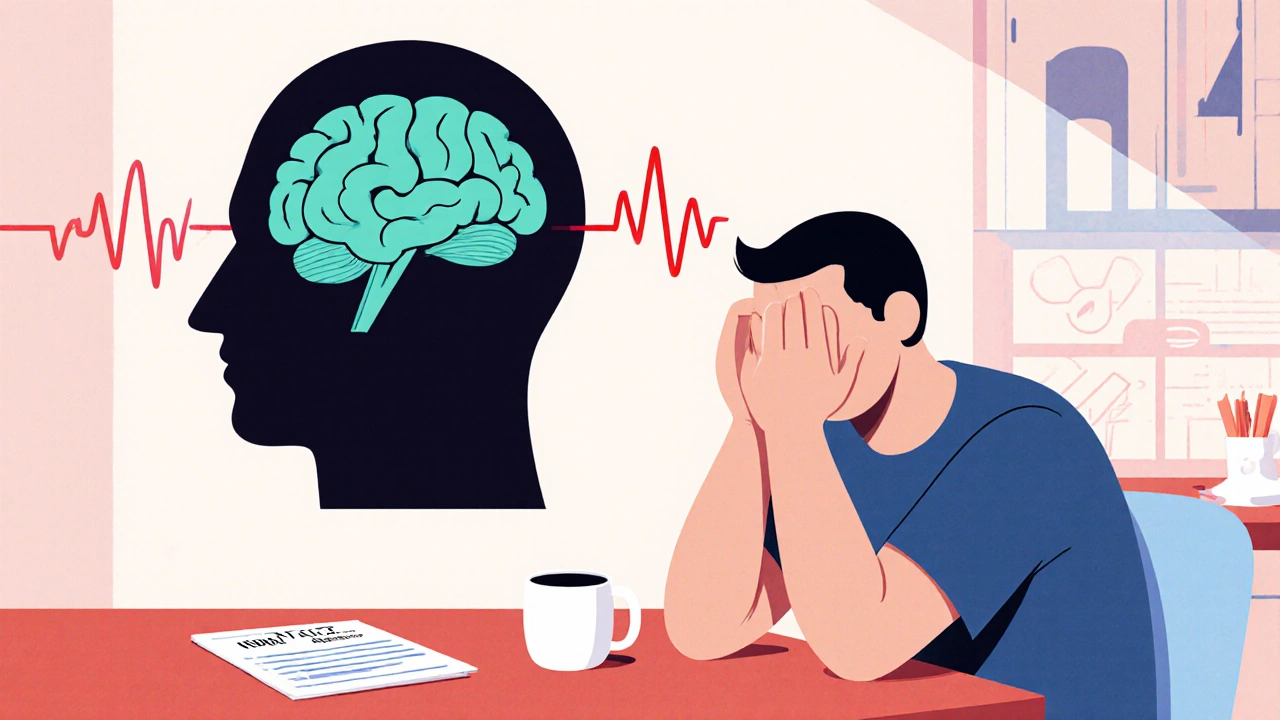
Tacrolimus neurotoxicity causes tremors, headaches, and confusion-even when blood levels are normal. Learn the real risks, who’s most affected, and how to manage symptoms without risking organ rejection.