
When your body receives a new organ, it doesn’t know it’s supposed to accept it. That’s why transplant medication risks, the dangers tied to drugs that prevent your immune system from attacking the new organ. Also known as immunosuppressants, these drugs are life-saving—but they come with serious trade-offs. Without them, your body will reject the transplant. With them, you’re more vulnerable to infections, cancer, and long-term organ damage.
Immunosuppressants, a class of drugs that lower your immune response. Also known as anti-rejection drugs, it includes common names like tacrolimus, cyclosporine, and mycophenolate. These aren’t one-size-fits-all. Dosing depends on your weight, kidney function, and how your body reacts. Too little? Your new liver, kidney, or heart could be attacked. Too much? You could get a severe infection from something as simple as a cold. Many patients don’t realize that the biggest threat isn’t the surgery—it’s what happens months or years later. High blood pressure, diabetes, kidney damage from the very drugs meant to protect you—these are real, documented risks.
Organ rejection, when your immune system identifies the transplanted organ as foreign and tries to destroy it. Also known as graft rejection, it can happen anytime, even years after transplant. Acute rejection shows up fast—fever, pain, swelling, or sudden fatigue. Chronic rejection creeps in slowly, quietly damaging the organ over time. That’s why regular blood tests, biopsies, and strict medication schedules matter more than ever. Skipping a dose because you felt fine? That’s how rejection starts.
You’ll also face side effects most people don’t talk about: tremors, weight gain, hair loss, mood swings, and increased risk of skin cancer. Some drugs raise your cholesterol. Others make your bones brittle. And because you’re on multiple drugs at once, interactions are common—something as simple as grapefruit juice can spike your tacrolimus levels to dangerous levels. That’s why your pharmacist and transplant team need to know every supplement, herb, or over-the-counter pill you take.
There’s no magic fix. You can’t just stop these drugs. But you can reduce risks by staying consistent, monitoring symptoms, and asking questions. The articles below cover real cases—how people managed side effects, what tests caught rejection early, and which drug combinations turned out to be safer. You’ll find practical advice on blood work schedules, what to do if you miss a dose, and how to spot warning signs before it’s too late. This isn’t theory. It’s what works for people living with transplants every day.
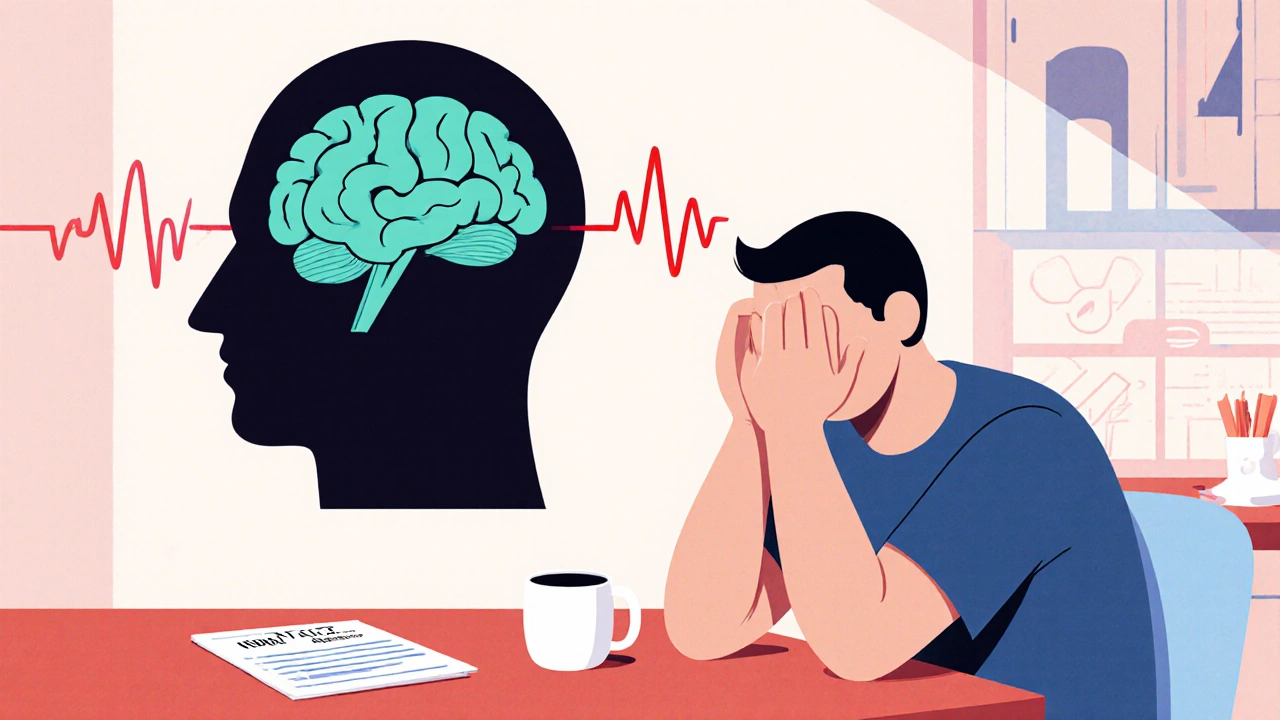
Tacrolimus neurotoxicity causes tremors, headaches, and confusion-even when blood levels are normal. Learn the real risks, who’s most affected, and how to manage symptoms without risking organ rejection.