
When your body holds onto too much fluid, it can raise your blood pressure and make you feel swollen or tired. That’s where thiazide diuretics, a class of medications that help your kidneys remove extra salt and water. Also known as water pills, they’re one of the most common starting points for treating high blood pressure in the U.S. Unlike stronger diuretics, thiazides work slowly and steadily—pulling out just enough fluid to ease pressure on your blood vessels without draining you dry.
They’re not just for high blood pressure. Doctors also use them for heart failure, kidney problems, and even some cases of osteoporosis because they help your body hold onto calcium. But they don’t work the same for everyone. Some people get dizzy or feel crampy because thiazides can drop your potassium or sodium levels. That’s why many doctors pair them with potassium supplements or combine them with other blood pressure meds like ACE inhibitors. And while hydrochlorothiazide, the most common thiazide diuretic. Also known as HCTZ, it’s often the first choice for its balance of effectiveness and low cost. is the go-to, others like chlorthalidone are just as effective but last longer—making them better for once-daily dosing.
What you won’t find in most patient guides is how often these meds are misunderstood. People think they’re just for swelling, but they’re really about long-term heart and kidney protection. And while some worry about side effects like frequent urination or low energy, the real risk comes from ignoring them. Skipping doses can make your blood pressure spike, and stopping cold turkey can be dangerous. That’s why the posts here focus on real experiences: how to handle side effects without quitting, what to do if you feel off, and how to talk to your pharmacist about alternatives if HCTZ isn’t working for you.
You’ll also see how thiazide diuretics connect to other health issues—like how they interact with gout meds, why they’re not safe during pregnancy, and how they compare to loop diuretics for people with kidney disease. These aren’t just drug facts. They’re survival tips for people managing chronic conditions day after day. Whether you’re on them now, considering them, or just trying to understand why your doctor picked them, this collection gives you the clear, no-fluff answers you won’t get from a pharmacy pamphlet.
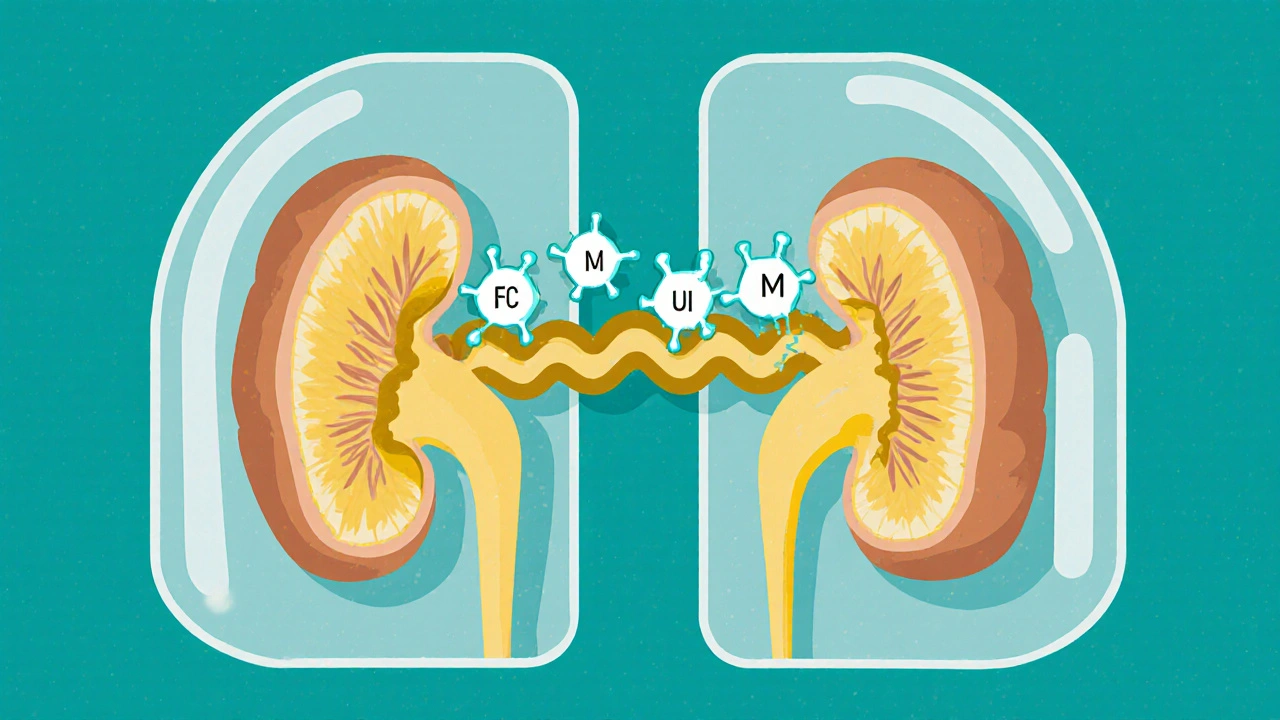
Thiazide diuretics like hydrochlorothiazide are common blood pressure meds, but they can raise uric acid levels and trigger gout. Learn how it happens, who’s at risk, and what alternatives exist.