
When you're taking tacrolimus, a powerful immunosuppressant used after organ transplants to prevent rejection. Also known as FK506, it keeps your body from attacking the new organ—but it doesn’t come without risks. One of the most serious is tacrolimus neurotoxicity, a neurological reaction caused by high drug levels or sensitivity. It’s not rare—studies show up to 1 in 5 transplant patients experience some form of it, especially in the first few months after surgery.
This isn’t just a headache or dizziness. tacrolimus neurotoxicity, can show up as tremors, severe headaches, confusion, vision changes, or even seizures. These symptoms often get worse if your blood levels are too high, which can happen if you’re dehydrated, on other kidney-affecting drugs, or have liver problems. It’s not always predictable, and many patients don’t realize it’s the drug until it’s too late. That’s why monitoring blood levels and knowing your body’s signals matters more than most people think. You might be told to just take it daily—but if you start feeling off, it’s not "just stress." It could be your brain reacting.
What makes this even trickier is that tacrolimus, is often mixed with other immunosuppressants like cyclosporine or steroids, and those combinations can make neurotoxicity worse. People on kidney transplants are more at risk than those on liver transplants, but anyone can be affected. Even small changes in dosage, diet, or other meds can tip the balance. That’s why so many posts on this site focus on medication adherence, side effect tracking, and knowing when to push back on your care team.
There’s no magic fix, but catching it early means you can adjust your dose, switch meds, or add supportive care—without losing the transplant’s protection. The good news? Most cases improve once levels are lowered or the drug is changed. The bad news? If you ignore early signs like tingling in your hands or trouble concentrating, it can lead to lasting damage. You don’t have to live with these side effects. You just need to know what to look for, and when to speak up.
Below, you’ll find real-world guides from people who’ve been there—how to track symptoms, talk to your pharmacist about drug interactions, recognize when it’s an emergency, and what alternatives exist if tacrolimus stops being safe for you. This isn’t theoretical. It’s the kind of info that keeps people out of the hospital and their transplants working.
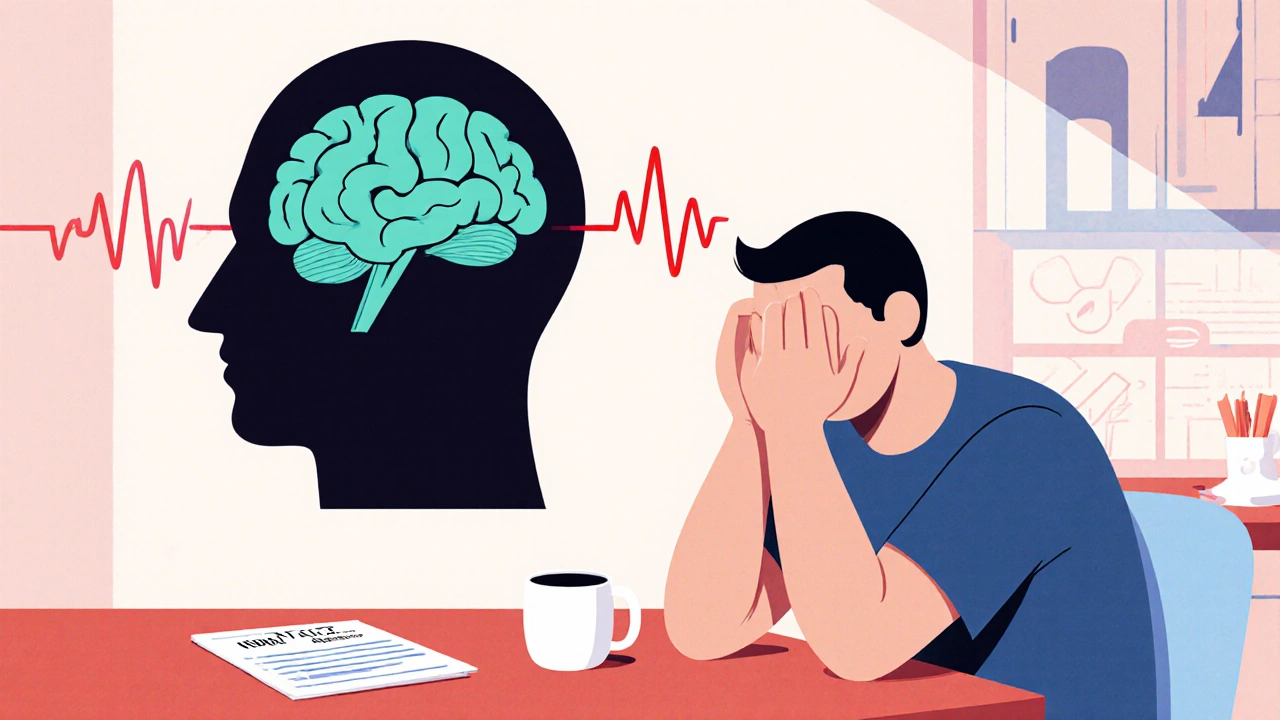
Tacrolimus neurotoxicity causes tremors, headaches, and confusion-even when blood levels are normal. Learn the real risks, who’s most affected, and how to manage symptoms without risking organ rejection.