
When you're taking tacrolimus, an immunosuppressant drug used after organ transplants to prevent rejection. Also known as FK506, it's a powerful medication that needs careful tracking because the difference between working and causing harm is often just a few nanograms per milliliter. Too little, and your body might attack the new organ. Too much, and you risk kidney damage, nerve problems, or even seizures. That’s why checking your tacrolimus blood levels isn’t optional—it’s life-saving.
Doctors don’t just guess your dose. They rely on regular blood tests to see how your body is handling the drug. Your levels can swing based on what you eat, other meds you take, or even your genetics. For example, grapefruit juice can spike your tacrolimus levels by slowing how fast your liver breaks it down. Antibiotics like erythromycin or antifungals like fluconazole can do the same. On the flip side, some seizure meds or St. John’s wort can drop your levels dangerously low. Even changes in your liver or kidney function—common after transplant—can shift how your body processes it. That’s why testing usually happens weekly at first, then monthly, and sometimes even more often if things get unstable.
Target ranges vary by transplant type. Heart transplant patients often stay between 5–10 ng/mL early on, while liver recipients might be pushed higher, around 10–15 ng/mL. Kidney patients usually aim for 5–12 ng/mL, depending on how long it’s been since surgery. But these numbers aren’t one-size-fits-all. Your doctor will adjust based on your history, side effects, and lab results. Common signs your levels might be too high include tremors, headaches, high blood pressure, or tingling in your hands and feet. Too low? You might not feel anything until your body starts rejecting the organ—silent but deadly.
What you’ll find in the articles below isn’t just a list of drug facts. It’s real-world advice from people who’ve been there: how to spot early warning signs, how to talk to your pharmacist about interactions, and why skipping a dose because you feel fine can be a dangerous mistake. You’ll also see how other meds like antibiotics, antifungals, or even over-the-counter supplements can quietly mess with your levels. Some posts dive into how insurance delays or pharmacy mix-ups can throw off your routine. Others explain what to do when you miss a test or get sick and can’t get to the lab. This isn’t theory—it’s what keeps transplant patients alive and well.
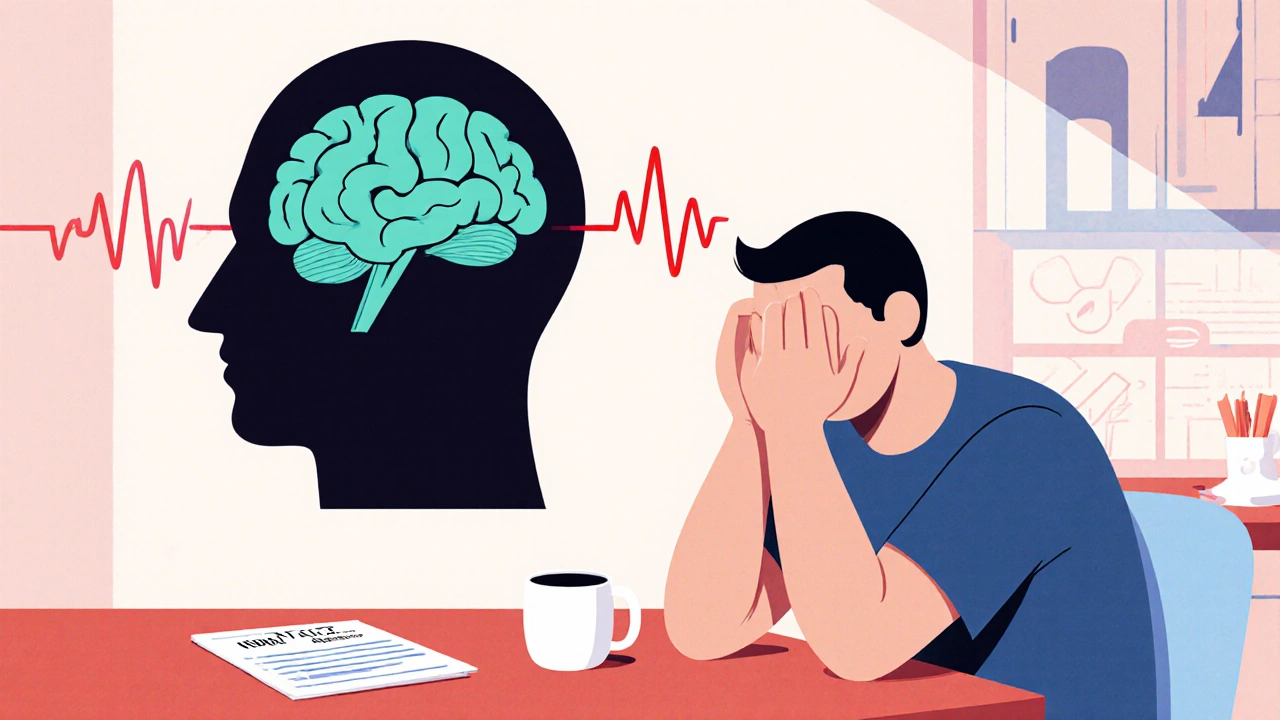
Tacrolimus neurotoxicity causes tremors, headaches, and confusion-even when blood levels are normal. Learn the real risks, who’s most affected, and how to manage symptoms without risking organ rejection.