
When you get older, your muscles don’t just fade—they shrink, weaken, and make everyday tasks harder. This isn’t just about getting older; it’s sarcopenia, the progressive loss of skeletal muscle mass and strength that starts as early as your 30s and accelerates after 60. Also known as age-related muscle loss, it’s one of the most common yet overlooked health issues in older adults. Unlike weight gain or bone thinning, sarcopenia doesn’t show up on a scale or X-ray. You won’t feel it until you can’t get up from a chair without help, or your legs give out walking up stairs.
What makes sarcopenia dangerous isn’t just weakness—it’s the chain reaction it starts. Less muscle means slower movement, higher fall risk, longer recovery times, and even more loss of independence. People with sarcopenia are far more likely to end up in the hospital or need long-term care. And it’s not just about being old. Poor nutrition, lack of movement, chronic illness, and certain medications can make it worse. Even if you’re active, if you’re not eating enough protein or doing resistance work, your body starts breaking down muscle faster than it rebuilds it.
This isn’t inevitable. Research shows that combining strength training, any form of exercise that makes your muscles work against resistance, like lifting weights, using bands, or even bodyweight moves with enough protein—about 1.2 to 2 grams per kilogram of body weight daily—can slow or even reverse muscle loss. It’s not about becoming a bodybuilder. It’s about being able to carry groceries, climb stairs, or stand up from the toilet without help. And it’s not too late to start, no matter your age.
Some medications, like long-term steroids or certain blood pressure drugs, can speed up muscle breakdown. Others, like vitamin D or creatine supplements, might help protect it. But none of them replace movement. You can’t out-supplement a sedentary life. The people who stay strong into their 70s and 80s aren’t lucky—they’ve made muscle care a daily habit.
Below, you’ll find real-world advice from people who’ve faced this, guides on safe exercises, tips for eating right as you age, and insights into how drugs and health conditions interact with muscle loss. Whether you’re worried about yourself, a parent, or just want to stay strong for years to come, these articles give you the tools—not just the theory.
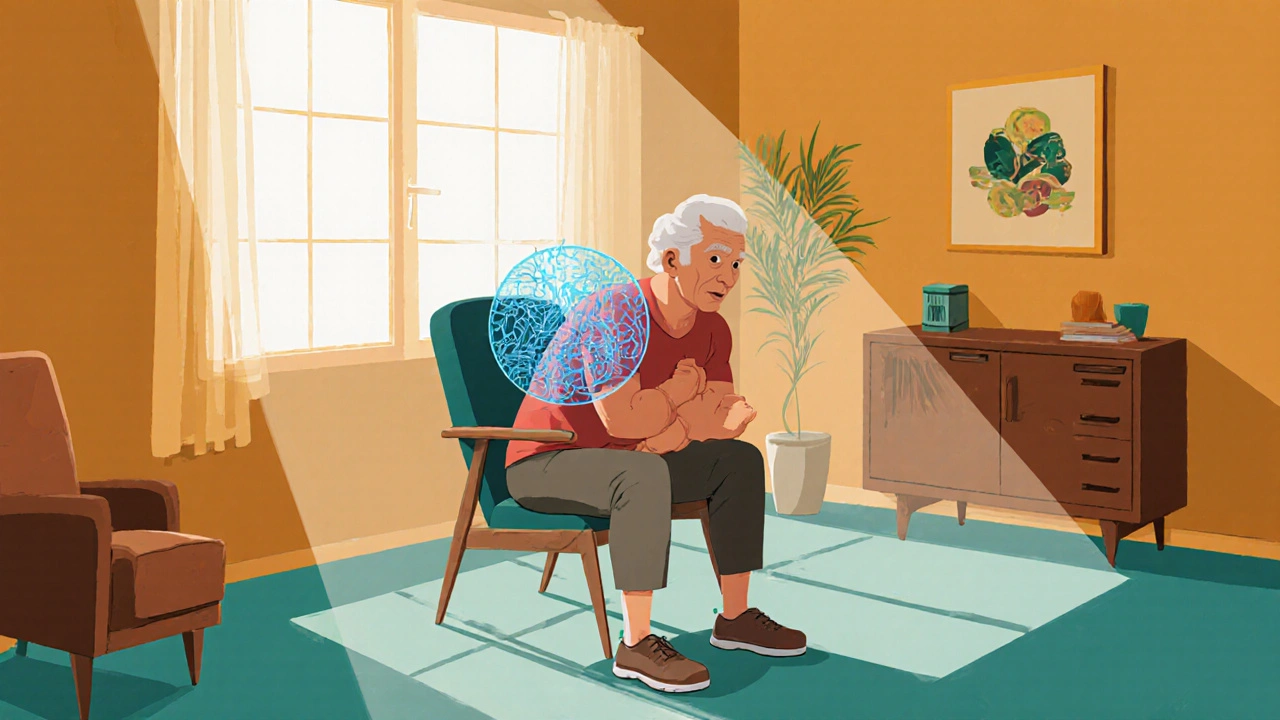
Sarcopenia is the progressive loss of muscle mass and strength with age, affecting up to half of people over 80. Strength training is the most effective way to prevent and reverse it, improving mobility, reducing fall risk, and preserving independence.