
When you get older, your body doesn’t just lose strength—it loses the ability to move freely, climb stairs, or even stand up from a chair without help. This isn’t just aging. It’s sarcopenia, the progressive loss of skeletal muscle mass and strength that typically begins in your 40s and accelerates after 60. Also known as age-related muscle loss, it affects nearly half of adults over 80 and increases the risk of falls, fractures, and long-term disability. The good news? You don’t have to accept it as inevitable.
Preventing sarcopenia isn’t about taking a pill or buying a supplement. It’s about two things: movement and nutrition. Strength training, any form of resistance exercise that challenges your muscles, like lifting weights, using resistance bands, or even bodyweight exercises is the most powerful tool you have. Studies show that even people in their 90s can rebuild muscle with the right program. And it’s not just about the gym—carrying groceries, gardening, or walking uphill counts too. Then there’s protein intake, the essential nutrient your muscles need to repair and grow. Most adults over 65 aren’t eating enough—aim for 1.2 to 2.0 grams of protein per kilogram of body weight daily, spread across meals. Eggs, lean meat, fish, beans, and Greek yogurt are simple, effective sources. Vitamin D also plays a role; low levels are linked to faster muscle decline. Getting sunlight or taking a supplement can help, especially in winter months.
What you won’t find in the research? Magic pills, expensive powders, or quick fixes. The same strategies that help prevent heart disease and diabetes—moving regularly and eating real food—also protect your muscles. The posts below cover real-world advice: how to start strength training safely after 60, what protein sources actually work, how medications like statins can affect muscle health, and why staying active isn’t optional as you age. You’ll also find tips on managing conditions that make muscle loss worse, like chronic inflammation or poor nutrition. This isn’t theoretical. These are the tools people are using right now to stay independent, mobile, and strong—no matter their age.
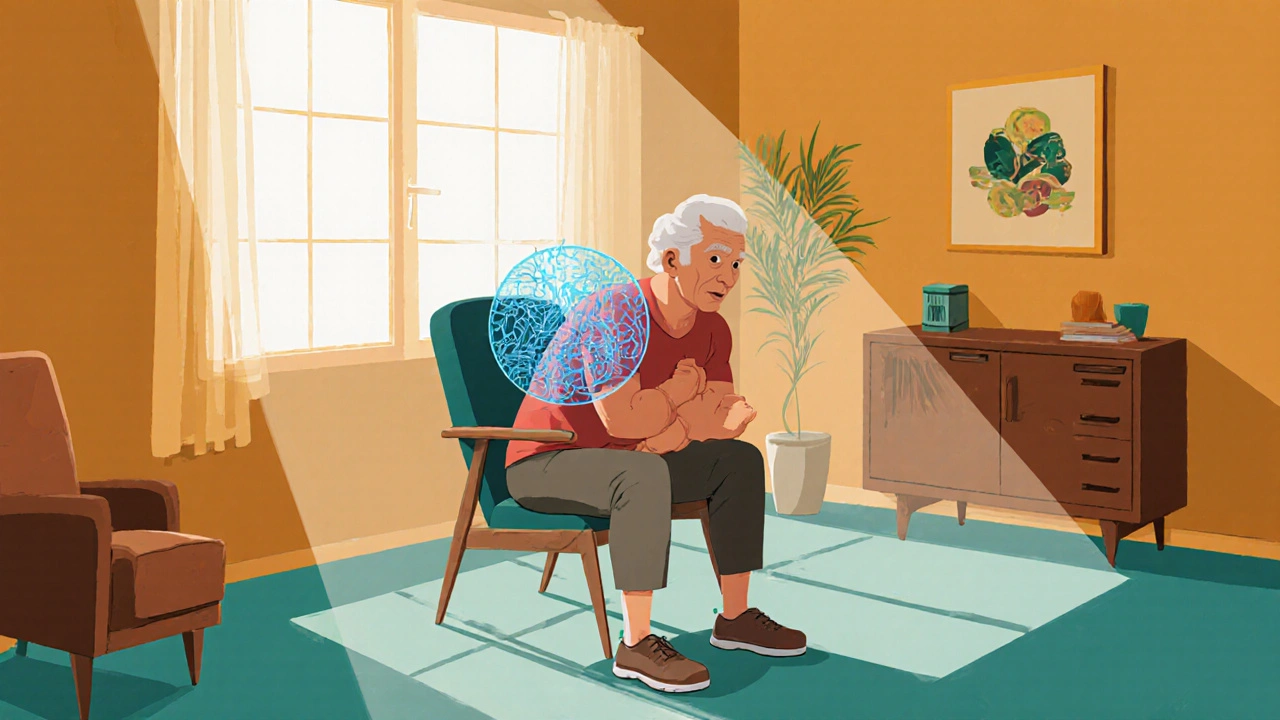
Sarcopenia is the progressive loss of muscle mass and strength with age, affecting up to half of people over 80. Strength training is the most effective way to prevent and reverse it, improving mobility, reducing fall risk, and preserving independence.