
When your body mistakes peanut allergy, a severe immune reaction to proteins in peanuts that can trigger life-threatening symptoms. Also known as arachis hypogaea allergy, it’s one of the most common and dangerous food allergies, especially in children. Unlike some food sensitivities, a peanut allergy doesn’t fade with time for most people. Even tiny amounts — like crumbs on a spoon or airborne dust from peanut butter — can set off a reaction. This isn’t just a stomach upset. It’s your immune system going into overdrive, releasing chemicals that can crash your blood pressure, swell your airways, and stop your breathing.
Many people with peanut allergy also react to tree nuts, a group of seeds like almonds, cashews, and walnuts that are botanically different from peanuts but often trigger similar immune responses. That’s why doctors often advise avoiding all tree nuts, even if you’ve only reacted to peanuts. But here’s the catch: not everyone with peanut allergy reacts to tree nuts. Testing helps sort that out. Then there’s cross-reactivity, when your immune system confuses similar proteins in other foods or substances, like legumes or latex. About 30% of peanut-allergic people also react to soy or peas — but not always. And yes, some people with peanut allergy have a latex allergy too, because the proteins look alike to their immune system.
Knowing your triggers isn’t enough. You need a plan. The only proven treatment for a full-blown reaction is epinephrine, a fast-acting medication that reverses the dangerous effects of anaphylaxis. Antihistamines won’t cut it. They help with itching or hives, but they won’t stop your throat from closing. That’s why everyone with peanut allergy should carry two epinephrine auto-injectors — always. One can fail. One can expire. One can be left at home. And if you’re the parent of a child with this allergy, you’re not just a caregiver — you’re their first emergency responder.
Label reading is a daily job. Peanut can hide in unexpected places — candy, sauces, baked goods, even some cosmetics. And it’s not just about what’s listed. "May contain peanuts" isn’t a suggestion. It’s a warning. Studies show up to 10% of people with peanut allergy react to products labeled that way. Schools, restaurants, and workplaces are getting better, but you still can’t assume safety. That’s why so many people carry their own snacks, wipe down tables, and ask the same questions over and over.
There’s hope, though. New treatments like oral immunotherapy are helping some kids build tolerance — slowly, under strict medical supervision. It’s not a cure, but it reduces the risk of a deadly reaction from accidental exposure. And research into skin patches and pills is moving fast. Meanwhile, the best defense is still awareness, preparation, and never underestimating how quickly things can go wrong.
Below, you’ll find real guides from people who’ve lived with this — from managing reactions at school to understanding why some medications can be risky, how allergy testing works, and what to do when you’re told you’re allergic but aren’t sure. This isn’t theory. It’s what works.
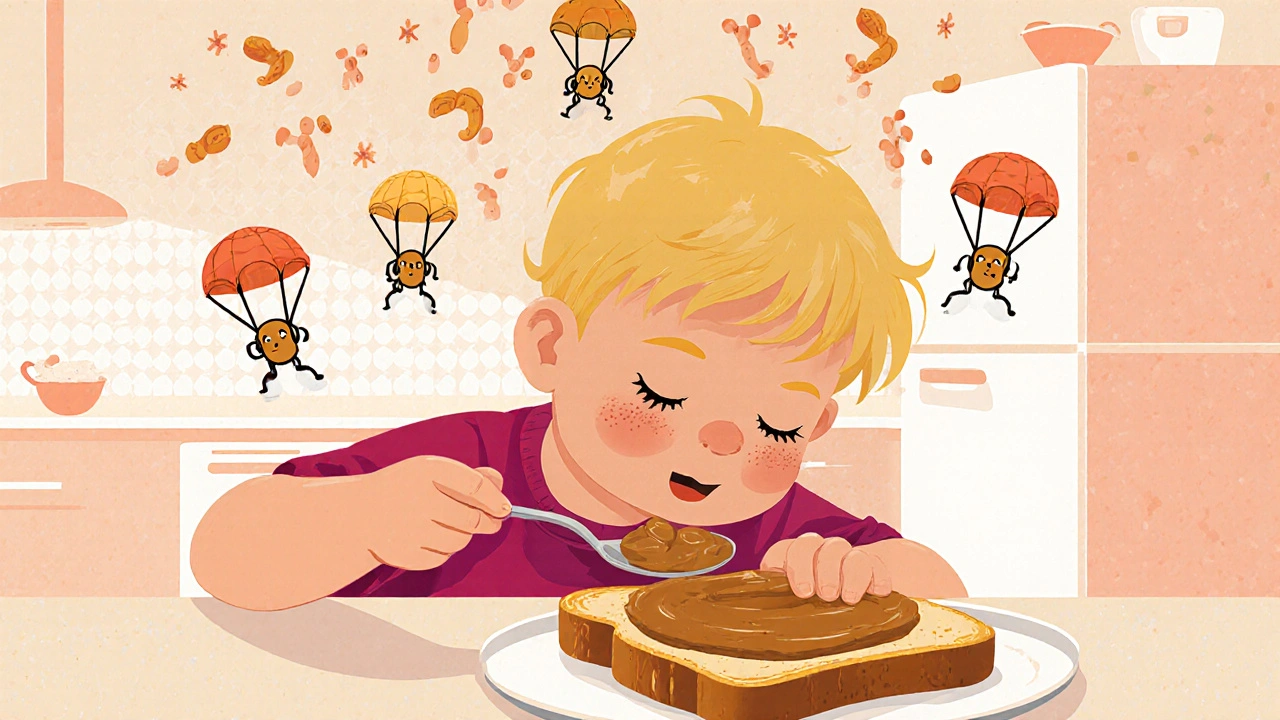
IgE-mediated food allergies can trigger life-threatening anaphylaxis. Learn how early food introduction, skin care, and epinephrine use prevent reactions-and what new treatments are changing outcomes.