
When your immune system goes too far—attacking your own body—it’s often stopped with immunosuppressant drugs, medications that reduce immune system activity to prevent organ rejection or control autoimmune diseases. Also known as anti-rejection drugs, they’re essential for transplant patients and people with conditions like lupus or Crohn’s—but they don’t come without risks. These drugs don’t just calm overactive immunity; they lower your body’s ability to fight off infections, heal wounds, or even detect early cancer cells.
Common immunosuppressant side effects, include increased risk of infections, high blood pressure, kidney damage, and elevated cholesterol. But the real danger isn’t always obvious. A simple cold can turn into pneumonia. A small cut might not heal. Some people develop skin cancers after years of use. These aren’t rare outcomes—they’re expected risks that need constant monitoring. Not everyone gets them, but if you’re on one of these drugs, you’re in the group that could. That’s why tracking symptoms isn’t optional—it’s survival.
Many of the posts below dive into the hidden traps of immune-modulating treatments. You’ll find real stories about how blood thinner bleeding, a side effect linked to overlapping drug interactions with immunosuppressants can sneak up on patients. Others explain how sulfonamide allergies, a cross-reactivity issue that can confuse prescribing complicate treatment plans. You’ll also see how FDA black box warnings, the highest-level safety alerts for dangerous drugs apply to many immunosuppressants—and why ignoring them can be deadly. These aren’t abstract concerns. They’re daily realities for people managing chronic conditions.
There’s no sugarcoating it: taking immunosuppressants means trading one set of risks for another. But you’re not alone. The articles here give you the tools to spot trouble early, talk to your doctor with confidence, and avoid common mistakes that lead to hospital visits. Whether you’re newly prescribed or have been on these drugs for years, what follows isn’t just information—it’s a survival guide written by people who’ve been there.
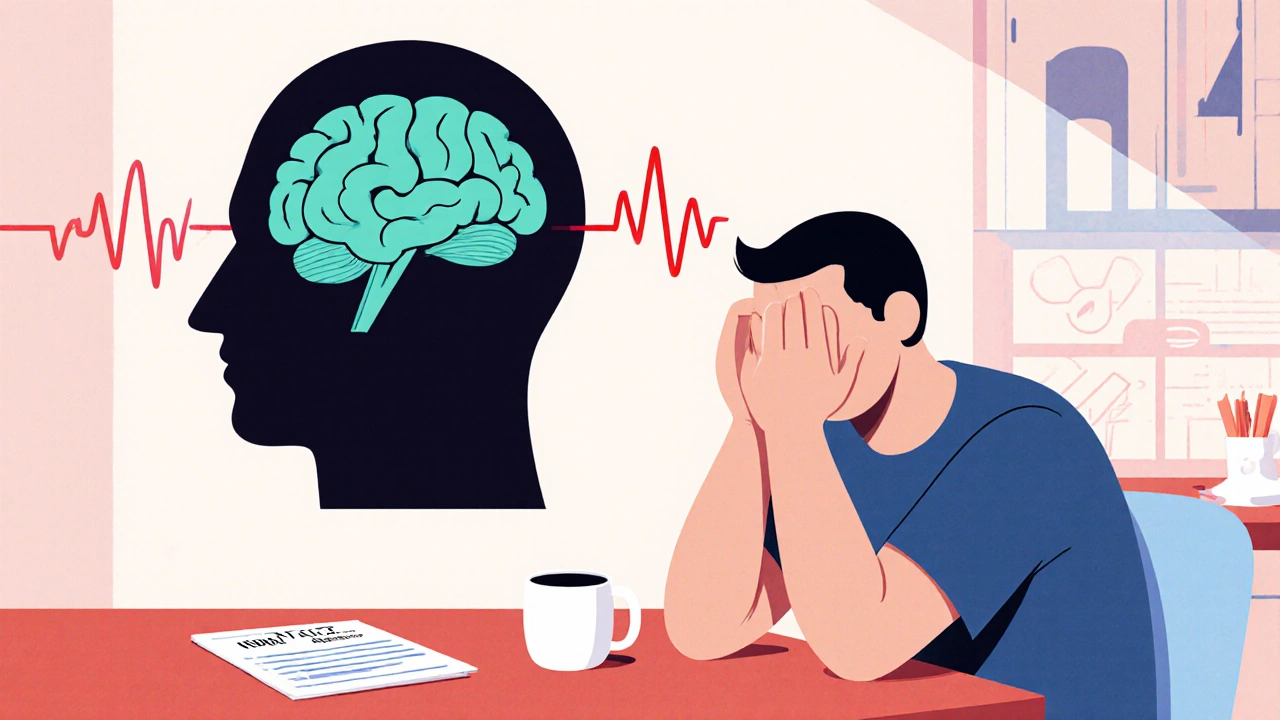
Tacrolimus neurotoxicity causes tremors, headaches, and confusion-even when blood levels are normal. Learn the real risks, who’s most affected, and how to manage symptoms without risking organ rejection.