
When your body mistakes a harmless food for a threat, it releases IgE food allergies, a type of immune reaction where the body produces immunoglobulin E antibodies in response to specific foods. Also known as immediate hypersensitivity, this is the most common form of food allergy and can turn a simple meal into a life-threatening event. Unlike intolerances, which cause discomfort like bloating or heartburn, IgE reactions happen fast—often within minutes—and can include hives, swelling, vomiting, trouble breathing, or even anaphylaxis.
This kind of allergy isn’t random. It’s tied to specific proteins in foods like peanuts, tree nuts, eggs, milk, soy, wheat, fish, and shellfish. People with IgE food allergies often have a family history of allergies, asthma, or eczema. The immune system doesn’t just react once—it remembers. That’s why someone who had a mild reaction to peanuts as a child might have a severe one later. And it’s why food allergy testing, a process using skin prick tests or blood tests to detect IgE antibodies to specific foods matters so much. Many people think they’re allergic based on symptoms alone, but false labels lead to unnecessary diets and missed nutrition. Accurate testing can confirm the real trigger and sometimes even rule out an allergy altogether.
One big risk is cross-reactivity, when the immune system confuses similar proteins in different foods or between pollen and food. For example, someone allergic to birch pollen might react to apples or almonds. Or a shellfish allergy might overlap with reactions to dust mites because of similar protein structures. This is why just avoiding the obvious culprit isn’t always enough. You need to know what else might set off your system.
Managing IgE food allergies isn’t just about reading labels. It’s about having an emergency plan. Epinephrine auto-injectors aren’t optional—they’re lifesavers. And knowing how to use them, when to use them, and making sure your family, teachers, or coworkers know too, makes all the difference. The rise in food allergies over the last 20 years has pushed research forward, but the core advice hasn’t changed: avoid the trigger, carry treatment, and get tested if you’re unsure.
What you’ll find in the articles below are real, practical stories and science-backed guides about how people live with these allergies, how doctors test for them, and how other drug reactions—like sulfonamide or penicillin allergies—can sometimes look similar but need totally different handling. You’ll learn what really happens in the body during a reaction, why some people outgrow allergies while others don’t, and how to avoid dangerous mistakes that could cost more than just a meal.
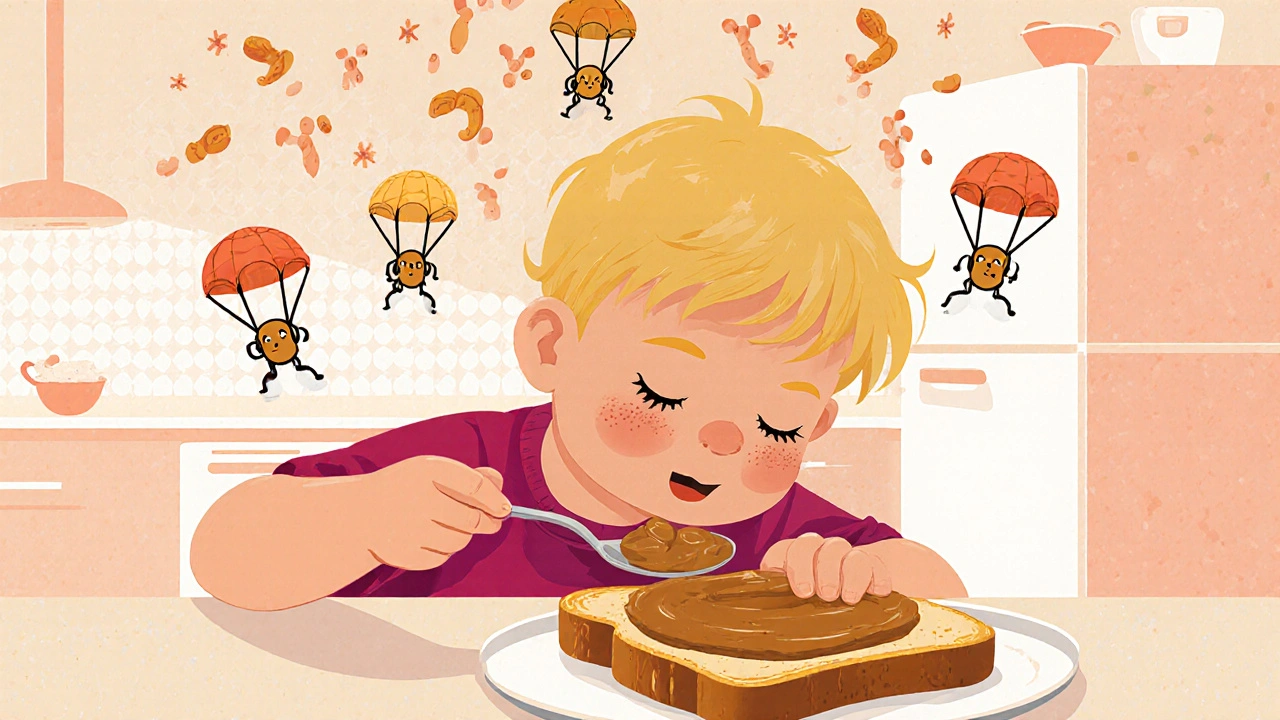
IgE-mediated food allergies can trigger life-threatening anaphylaxis. Learn how early food introduction, skin care, and epinephrine use prevent reactions-and what new treatments are changing outcomes.