
When your doctor prescribes hydrochlorothiazide, a thiazide diuretic used to lower blood pressure and reduce fluid buildup. Also known as HCTZ, it's one of the most prescribed pills for high blood pressure in the UK and beyond. It doesn’t cure hypertension—it helps your body get rid of extra salt and water through urine, which takes pressure off your blood vessels. Many people take it daily without issues, but others run into side effects that make them wonder if it’s worth it.
Hydrochlorothiazide often shows up in combo pills with other blood pressure drugs like lisinopril or amlodipine. But it’s not just for high blood pressure. It’s also used for edema, swelling caused by heart, liver, or kidney problems, and even for kidney stones in some cases. What most people don’t realize is that it can lower potassium levels, which is why some patients end up on potassium supplements. It can also make you more sensitive to sunlight, cause dizziness when standing up, or lead to frequent urination—especially at night. These aren’t rare; they’re common enough that half the people who stop taking it do so because of how they feel, not because it’s not working.
It’s not a magic pill. If you’re on hydrochlorothiazide, you need to pay attention to how your body reacts. Dehydration is a real risk, especially in hot weather or if you’re sweating a lot. Some people get muscle cramps or feel unusually tired. Others notice their blood sugar creeping up—this matters if you have prediabetes. And while it’s generally safe for long-term use, it’s not something you should take without regular check-ups. Your doctor should monitor your kidney function and electrolytes, especially if you’re older or taking other meds.
You’ll also find that hydrochlorothiazide is often confused with other diuretics like furosemide or spironolactone. But they’re not the same. Furosemide works faster and stronger, often used in hospitals. Spironolactone helps keep potassium up, which balances out hydrochlorothiazide’s tendency to drain it. Knowing the difference helps you understand why your doctor picked one over another.
This collection of articles doesn’t just list side effects—it shows you how to handle them. You’ll find real advice on staying on track when meds make you feel off, how to talk to your pharmacist about alternatives, and what to do if you’re worried about low potassium or dizziness. You’ll also see how hydrochlorothiazide fits into bigger pictures—like managing blood pressure during pregnancy, avoiding drug interactions, or dealing with insurance hurdles for generics. These aren’t theory pieces. They’re written by people who’ve been there: the patient who stopped taking it because of fatigue, the caregiver who noticed swelling return after skipping a dose, the pharmacist who’s seen the same questions come up again and again.
Whether you’ve just started hydrochlorothiazide or have been on it for years, this isn’t about scare tactics. It’s about giving you the facts so you can make smarter choices—without guessing what your doctor meant, or worrying if that weird feeling is normal or dangerous.
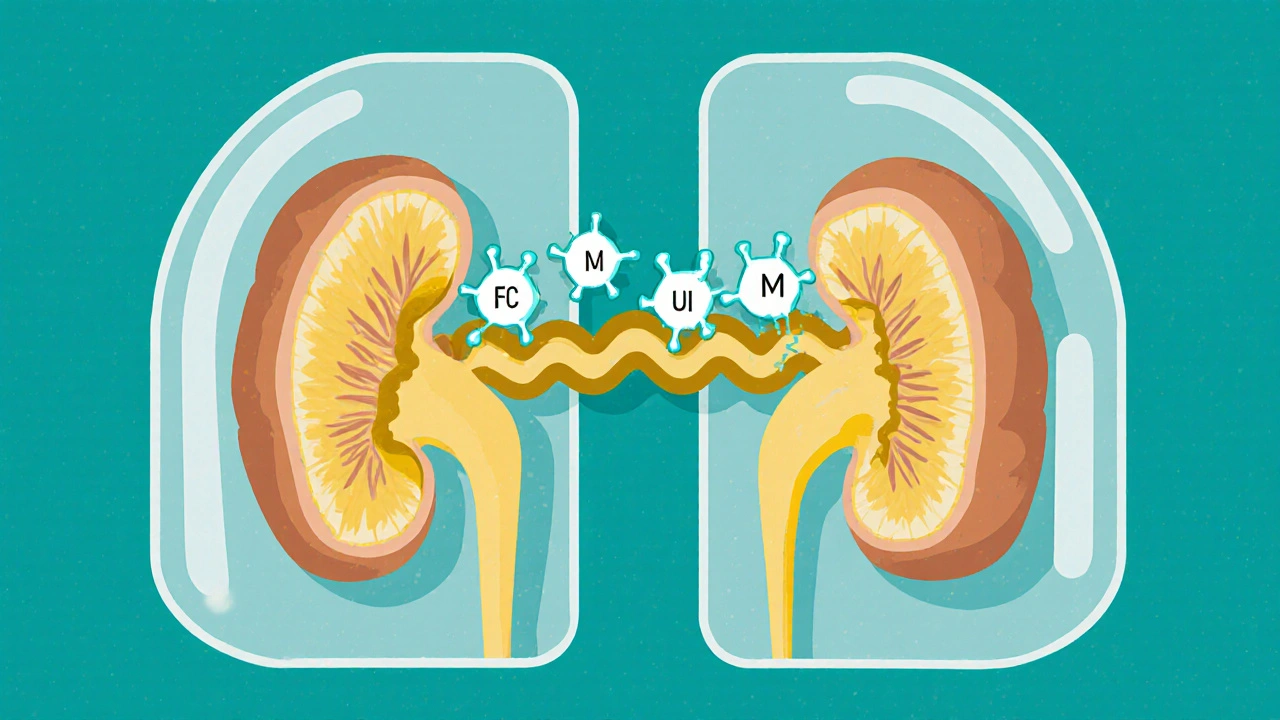
Thiazide diuretics like hydrochlorothiazide are common blood pressure meds, but they can raise uric acid levels and trigger gout. Learn how it happens, who’s at risk, and what alternatives exist.