
When your body mistakes gluten, a protein found in wheat, barley, and rye. Also known as gluten protein, it is a common trigger for immune system overreactions in genetically prone individuals. For some people, eating gluten doesn’t just cause bloating or discomfort—it flips a switch in the immune system that leads to autoimmune disorders, conditions where the body attacks its own tissues. This isn’t just about feeling unwell after pasta. It’s about long-term damage to the gut, joints, skin, and even the nervous system. The most well-known example is celiac disease, a well-documented autoimmune condition triggered by gluten ingestion. But gluten can also play a role in other autoimmune problems like Hashimoto’s thyroiditis, rheumatoid arthritis, and even certain types of neuropathy—even if you don’t have full-blown celiac disease.
What makes gluten so tricky is that it doesn’t affect everyone the same way. Some people have a clear positive test for celiac disease, with damaged villi and specific antibodies. Others test negative but still feel better going gluten-free—that’s gluten sensitivity, a real and increasingly recognized issue. Studies show that even without celiac, gluten can increase intestinal permeability ("leaky gut"), letting undigested proteins into the bloodstream and confusing the immune system. This doesn’t mean everyone needs to cut out gluten. But if you have unexplained fatigue, joint pain, skin rashes, or digestive issues that don’t improve with standard treatments, gluten could be the hidden link. And unlike some food allergies, gluten-related immune reactions don’t always show up in a simple blood test. Sometimes, the only way to know is to eliminate it for 6-8 weeks and see what happens.
Many of the articles in this collection focus on how medications interact with immune responses and food triggers. For example, if you have celiac disease and are on immunosuppressants like tacrolimus, managing gluten exposure becomes even more critical. Or if you’re dealing with a sulfonamide allergy and also avoid gluten, understanding cross-reactivity and hidden sources matters. Even something as simple as a blood thinner or diuretic can behave differently if your gut is inflamed from gluten. This page brings together real-world experiences and medical insights on how gluten connects to immune dysfunction, medication side effects, and long-term health outcomes. Below, you’ll find practical guides on testing, managing symptoms, avoiding hidden gluten, and understanding why going gluten-free isn’t just a trend—it’s a medical necessity for many.
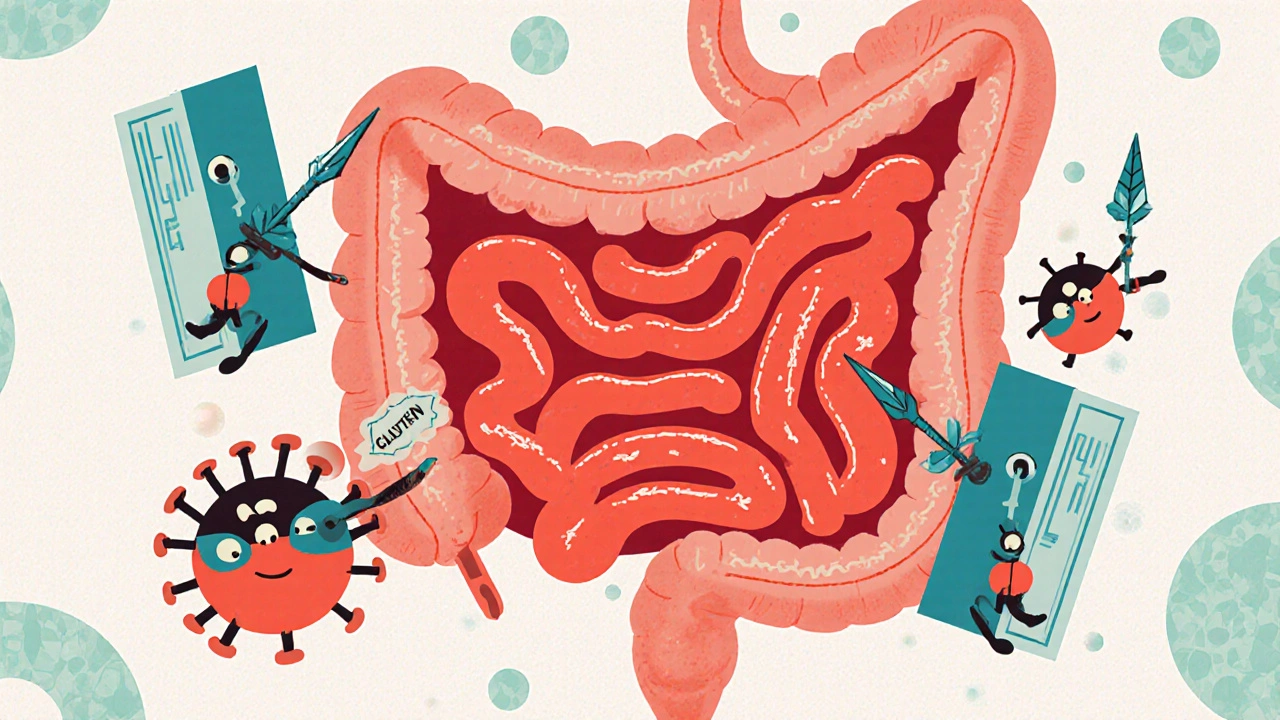
Celiac disease is a genetic autoimmune disorder triggered by gluten, causing intestinal damage and nutrient malabsorption. Strict, lifelong gluten-free diet is the only treatment. New research reveals how the gut lining actively triggers the immune response, and emerging therapies may change management in the coming years.