
When your body mistakes a harmless food for a threat, it triggers a food allergy, an immune system overreaction to specific proteins in food. Also known as hypersensitivity reaction, it’s not just an upset stomach—it’s your body sounding a loud alarm. Unlike food intolerance, which is digestive, a true food allergy involves antibodies like IgE and can escalate fast. One bite of peanut, shellfish, or milk can set off symptoms ranging from a scratchy throat to full-blown shock.
Common signs include hives, swelling of the lips or tongue, vomiting, and trouble breathing. But some reactions are sneaky—itchy mouth after eating raw apples (thanks to pollen cross-reactivity), or a rash that shows up hours later. Anaphylaxis, a severe, whole-body allergic reaction that can be deadly is the real emergency. It drops blood pressure, closes airways, and needs epinephrine right away. Many people don’t realize their mild symptoms are part of the same problem—until it gets worse.
Some allergies stick for life; others fade, especially in kids. But mislabeling yourself can be dangerous. If you think you’re allergic to penicillin but it’s actually a food reaction, you might end up on riskier antibiotics. Same with cross-reactivity, when similar proteins in different foods or substances trigger the same immune response—like birch pollen making you react to almonds or apples. Testing isn’t just for confirmation—it’s for safety. Skin tests and blood work can clear up false labels and help you avoid unnecessary diets.
What you eat matters, but so does what you don’t. Hidden allergens are everywhere—soy in sauces, milk in bread, nuts in spice blends. And if you’ve ever had a reaction after taking a medication like sulfonamides or NSAIDs, you’re not alone. Those drugs can mimic or worsen allergic responses, especially if your immune system is already on edge. Knowing the difference between drug side effects and true allergy is critical, and it’s why accurate diagnosis saves lives.
There’s no cure yet, but awareness is power. Whether you’re dealing with a new diagnosis, managing a child’s allergy, or just confused by conflicting advice, the posts below give you clear, no-fluff answers. You’ll find real stories, practical tips on reading labels, what to ask your doctor, and how to tell if your reaction is mild or an emergency. No guesswork. Just facts.
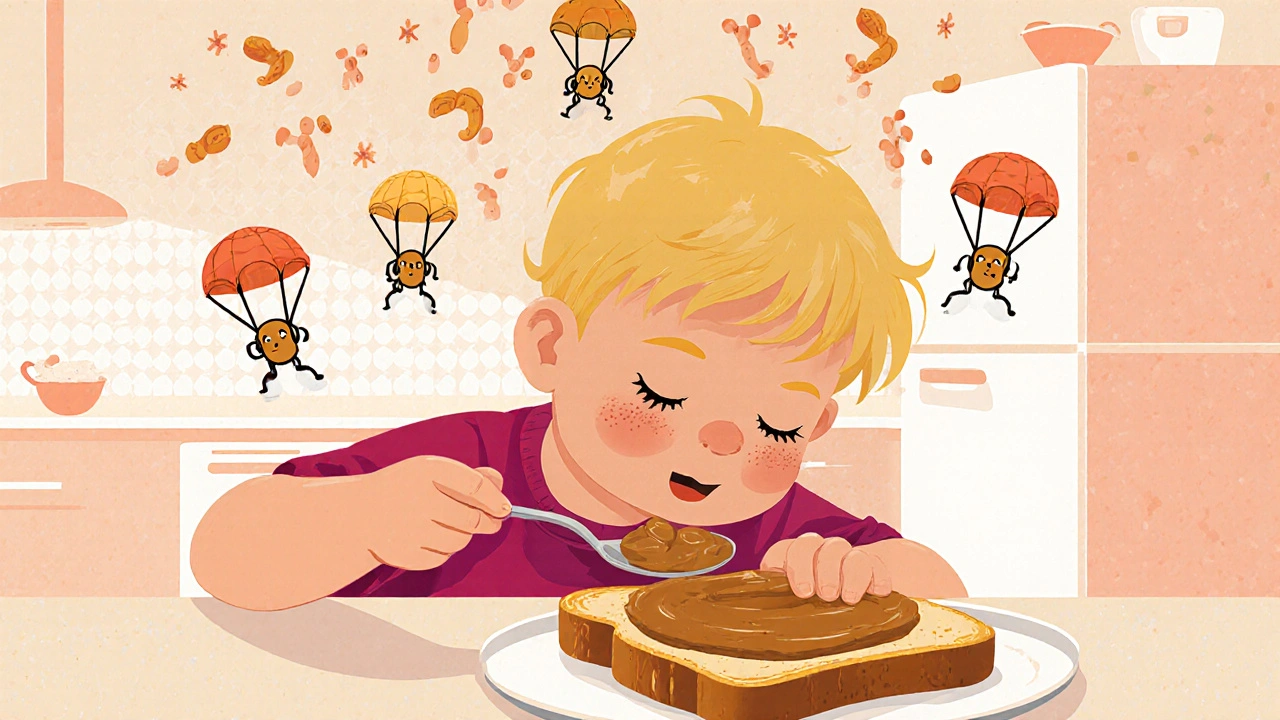
IgE-mediated food allergies can trigger life-threatening anaphylaxis. Learn how early food introduction, skin care, and epinephrine use prevent reactions-and what new treatments are changing outcomes.