
When your body goes into full alarm over something as simple as a peanut or a bee sting, the epinephrine auto-injector, a handheld device that delivers a precise dose of epinephrine to reverse life-threatening allergic reactions. Also known as an EpiPen, it’s not just a tool—it’s a backup plan for when your immune system goes rogue. This isn’t a medication you take daily. It’s what you grab when everything’s falling apart in seconds—swelling, trouble breathing, a drop in blood pressure. And if you or someone you care about has a history of severe allergies, this device isn’t optional. It’s essential.
People who need an epinephrine auto-injector often have anaphylaxis, a sudden, dangerous allergic reaction that can shut down breathing and circulation. It’s not just hives or a runny nose. It’s your throat closing, your lungs tightening, your body going into shock. And it happens fast. That’s why the auto-injector exists—to buy time. Epinephrine works by tightening blood vessels, opening airways, and stopping the runaway immune response. It doesn’t cure the allergy. It just stops the clock long enough to get to a hospital.
You might think, "I’ll just call 911 if it happens." But in a real anaphylactic event, every second counts. Emergency services can take minutes to arrive. By then, it might be too late. That’s why people with known allergies carry these devices everywhere—school, work, trips, even the grocery store. And they teach their family, friends, coworkers how to use them. Because you can’t always help yourself when you’re struggling to breathe.
There are other names for these devices—Auvi-Q, Adrenaclick, generic versions—but they all do the same thing. They’re not all the same price, and not all are covered the same way by insurance. Some have voice instructions. Others are smaller. But the core truth stays the same: if you’re at risk, you need one. And you need to know how to use it before you need it.
And it’s not just about the device. It’s about knowing the signs, recognizing the triggers, and having a plan. Many people who survive anaphylaxis say the biggest mistake they made was waiting to see if it got worse. It doesn’t. It gets worse faster. That’s why the advice is simple: use it at the first sign of trouble. Don’t wait. Don’t hope. Don’t think you’ll be fine.
Below, you’ll find real stories and practical guides from people who’ve lived through allergic emergencies, learned how to manage them, and figured out what works when seconds matter. Whether you’re newly diagnosed, helping someone who is, or just trying to understand how these devices fit into everyday life, the articles here give you the facts—no fluff, no fearmongering, just what you need to stay safe.
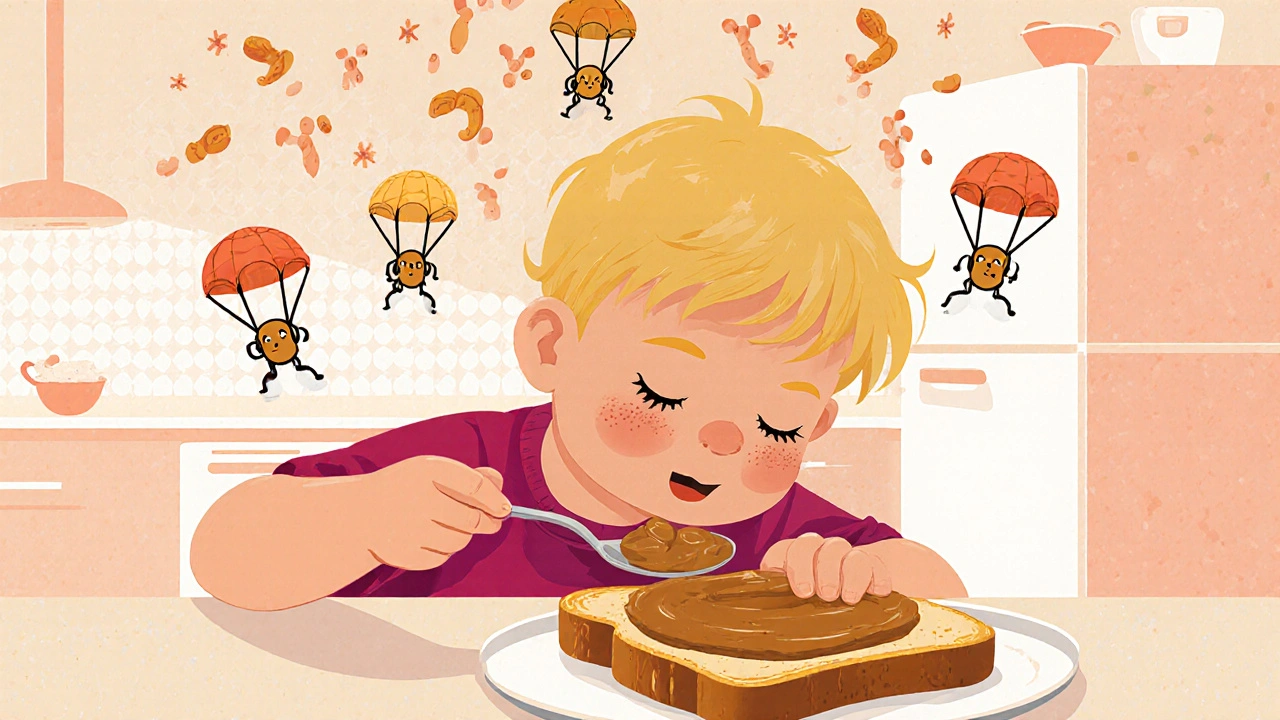
IgE-mediated food allergies can trigger life-threatening anaphylaxis. Learn how early food introduction, skin care, and epinephrine use prevent reactions-and what new treatments are changing outcomes.