
When you take a drug side effect, an unintended reaction to a medication that occurs at normal doses. Also known as adverse drug reaction, it’s not always a mistake—it’s often built into how the drug works in your body. Whether it’s a headache from blood pressure meds, stomach upset from antibiotics, or anxiety from an anti-nausea pill, these reactions happen more often than most people realize. And they’re not just random. Many are predictable, preventable, and tied to specific drugs, doses, or even your genetics.
Not all medication side effects, harmful or unpleasant responses to drugs that aren’t the intended therapeutic effect are the same. Some are annoying but harmless, like dry mouth from antihistamines. Others are dangerous, like internal bleeding from blood thinners or kidney damage from NSAIDs. The real risk comes when people ignore early signs because they think, "It’s just a side effect." But side effects like tremors from tacrolimus, gout from hydrochlorothiazide, or skin reactions from sulfa drugs aren’t normal—they’re signals. And ignoring them can lead to hospital visits, organ damage, or even death.
What makes this even trickier is that prescription drug risks, potential harms tied to medications approved for medical use aren’t always listed clearly. A black box warning on a label? That’s the FDA’s strongest alert. But many people don’t know what it means. Or they assume if a drug is cheap or generic, it’s safer. That’s not true. Generic tetracycline bought online might be fake. A prior authorization delay might mean you’re stuck with a riskier alternative. And if you’ve been told you have a penicillin allergy, you might be wrong—up to 90% of people outgrow it or were misdiagnosed. That’s why testing matters.
It’s not just about the pills you take. It’s about what you eat, what you’re allergic to, and even your age. Hydrocortisone for babies? Safe in tiny doses, but dangerous if overused. Lisinopril during pregnancy? A known fetal hazard. Even natural remedies like neem can interact with other meds. And if you’re on multiple drugs—common for older adults or people with chronic conditions—the chance of a bad interaction goes up fast. That’s why understanding your own body, your meds, and your risks isn’t optional. It’s essential.
Below, you’ll find real-world guides that cut through the noise. No fluff. No marketing. Just straight talk on what happens when your body reacts to meds—from tremors and bleeding to anxiety and skin rashes. You’ll learn how to spot the red flags, when to call your doctor, and how to avoid the traps that land people in the ER. Whether you’re managing a transplant, dealing with gout, or just wondering why you feel weird after a new pill, these posts give you the facts you need to stay safe.
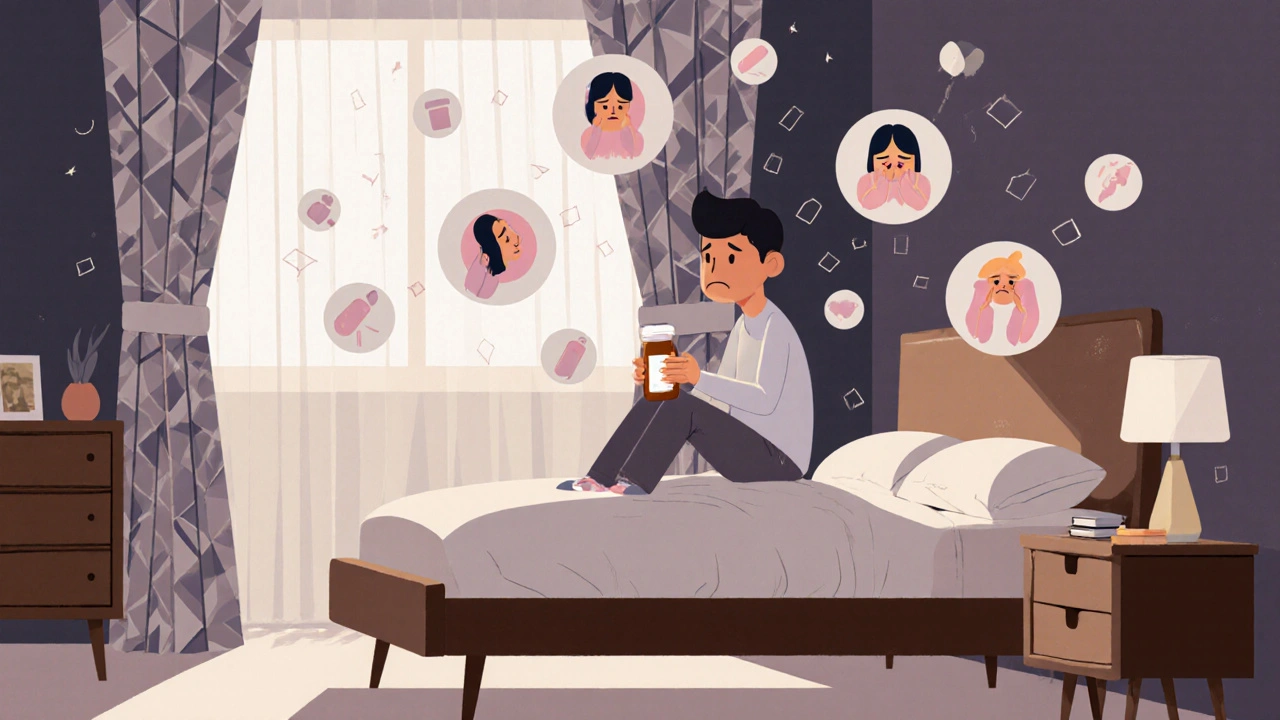
Side effects are the #1 reason people stop taking their meds - but they don't have to be. Learn how to manage discomfort, talk to your pharmacist, and stay on track without quitting your treatment.