
When someone is blind or has severe visual impairment, getting health information isn’t just harder—it’s often impossible without the right support. Blind patient education, a targeted approach to teaching health management to people with no or limited vision. It’s not about simplifying information—it’s about delivering it in ways the brain can access: through sound, touch, and memory. This isn’t a niche concern. Over 43 million people worldwide live with severe vision loss, and many are managing chronic conditions like diabetes, high blood pressure, or heart disease. They need to know when to take pills, how to use inhalers, recognize warning signs of infection, or adjust insulin doses. Without proper education, they’re at higher risk for hospitalization, medication errors, and worsening health.
Accessible health information, content designed to be understood without relying on sight. Also known as non-visual health communication, it includes audio recordings, braille labels, talking pill dispensers, and smartphone apps that describe medication bottles aloud. These tools aren’t luxuries—they’re lifelines. For example, a blind person using insulin needs to know the difference between 10-unit and 20-unit pens. A standard label won’t help. But a device that beeps and says "20 units"? That saves lives. Then there’s medication safety for blind, the practice of preventing errors when taking drugs without being able to read labels or see color codes. Studies show blind patients are twice as likely to take the wrong dose or miss a dose entirely. That’s why pharmacies now offer blister packs with raised dots, voice-guided pill organizers, and pharmacist-led training sessions that walk patients through each step using touch and sound.
It’s not just about the tools—it’s about how care is delivered. A doctor saying "take this once daily" isn’t enough. They need to describe the pill’s shape, size, and color so the patient can identify it by touch. Nurses must confirm understanding by asking the patient to repeat the instructions in their own words. Family members and caregivers play a role too—training them isn’t optional, it’s essential. And let’s not forget digital access: websites and portals must work with screen readers, and appointment reminders should come as voice calls or texts, not emails.
What you’ll find in the articles below isn’t theory. It’s real-world guidance on how people with visual impairments are managing complex drug regimens, avoiding dangerous interactions, and staying in control of their health. From how to safely use blood thinners without seeing the bottle to why talking pill dispensers are becoming standard in home care, these stories show what works—and what doesn’t. This isn’t about pity. It’s about equity. Everyone deserves to understand their treatment. And with the right support, they can.
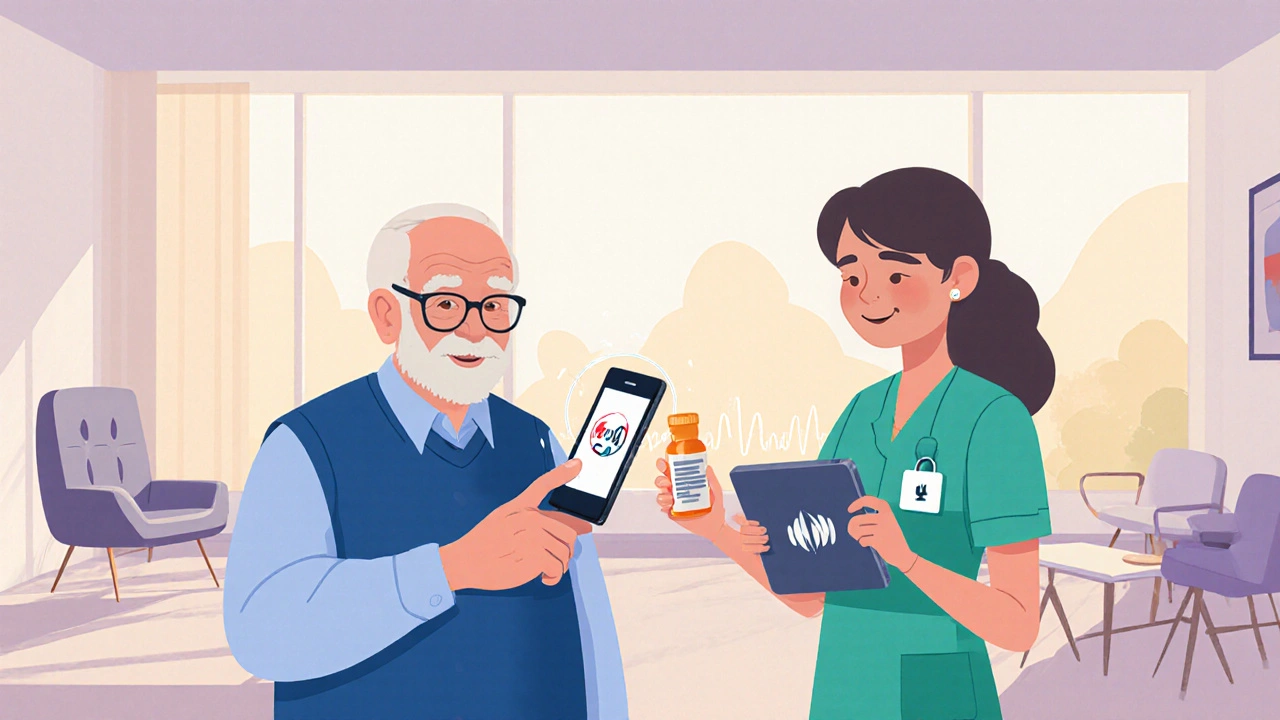
Audio resources give visually impaired patients equal access to health information, from medication instructions to hospital navigation. Learn which tools work, how to get them, and why hospitals must provide them.