
When you have assistive technology for vision loss, devices and apps designed to help people with low vision or blindness perform everyday tasks. Also known as visual impairment aids, it isn’t about fixing sight—it’s about giving you back control. Whether you’re reading labels, navigating a busy street, or checking your bank balance, these tools bridge the gap between what you can see and what you need to do.
Many people rely on screen readers, software that reads text aloud from phones, computers, and tablets. Also known as text-to-speech tools, they let you access emails, websites, and apps without needing to see the screen. Then there’s magnifiers for vision loss, handheld or digital tools that enlarge text and images. These aren’t just old-school magnifying glasses—they’re smart apps that track your movements, adjust contrast, and even recognize faces. And don’t forget low vision devices, specialized glasses, filters, and lighting systems that reduce glare and boost contrast. These help with reading, cooking, and even watching TV.
These tools aren’t just for older adults. People with macular degeneration, diabetic retinopathy, glaucoma, or congenital conditions use them every day. What’s common across all users? They want simplicity, reliability, and independence. You don’t need to be tech-savvy to use them. Most are designed with one goal: make life easier, not harder.
Behind every successful user is a system—sometimes a smartphone app, sometimes a voice-activated assistant, sometimes a simple red-tinted lens. The real breakthrough isn’t the gadget itself, but how it connects you to the world without asking you to change who you are. You still read, still cook, still travel. You just do it differently.
Below, you’ll find real-world guides on how these tools actually work in daily life—from choosing the right magnifier to avoiding scams selling fake "miracle" devices. You’ll learn what works, what doesn’t, and how to get them without breaking the bank. No fluff. Just what helps.
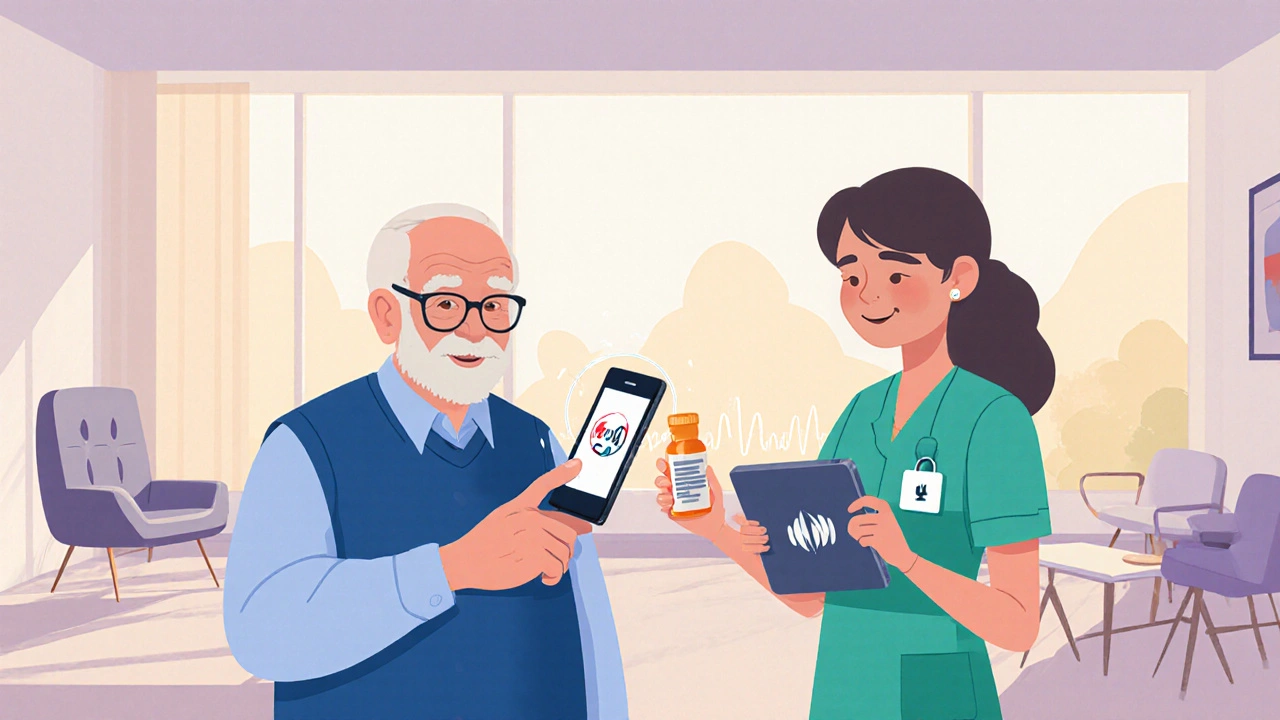
Audio resources give visually impaired patients equal access to health information, from medication instructions to hospital navigation. Learn which tools work, how to get them, and why hospitals must provide them.